
Last updated November 25, 2026
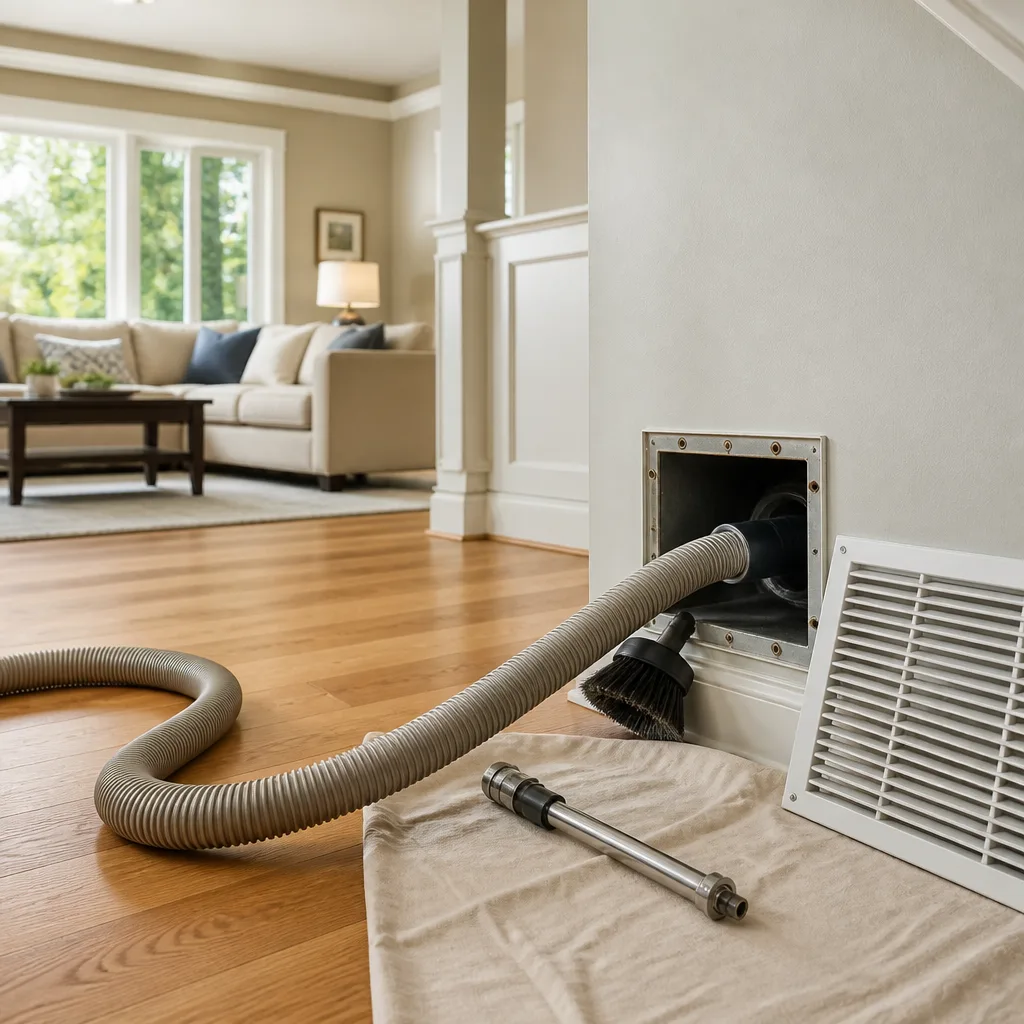 Whole-home duct cleaning
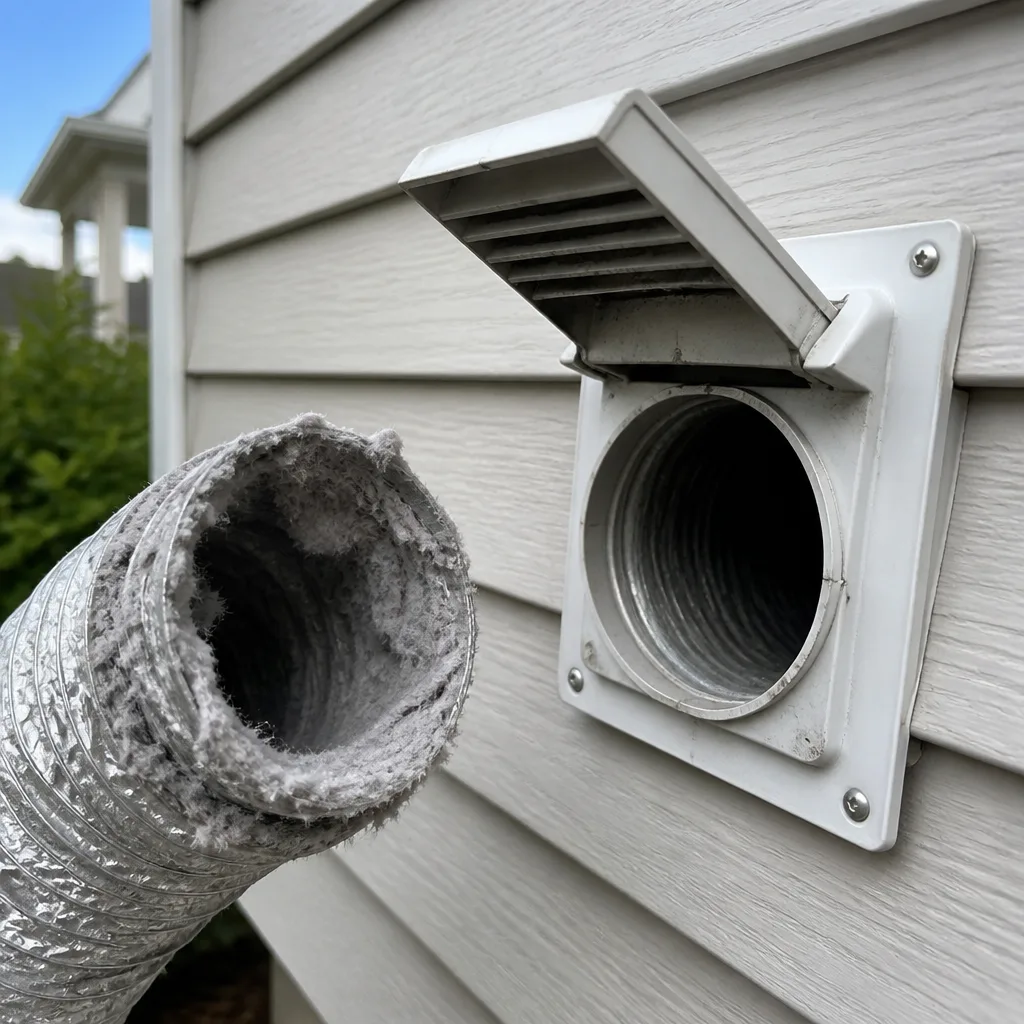 Dryer vent cleaning
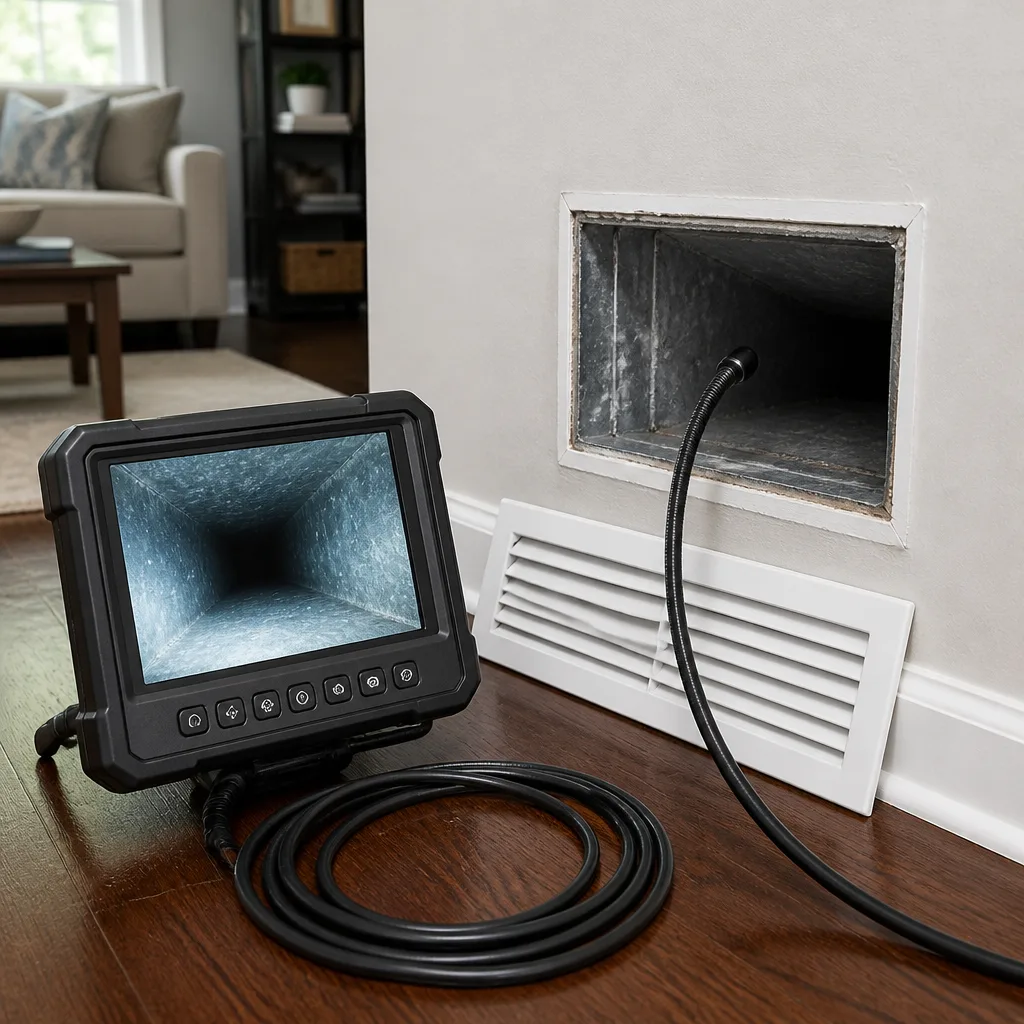 Camera inspection
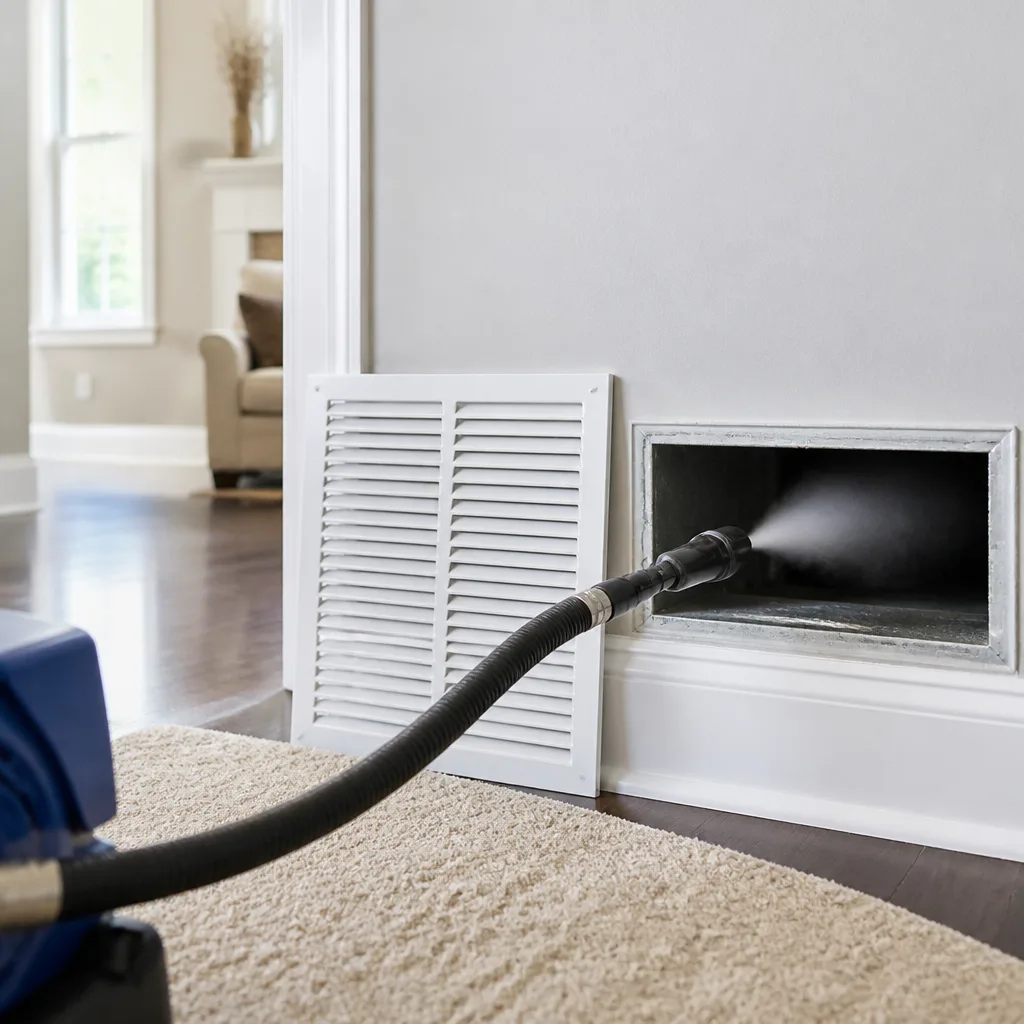 Sanitizing & deodorizing
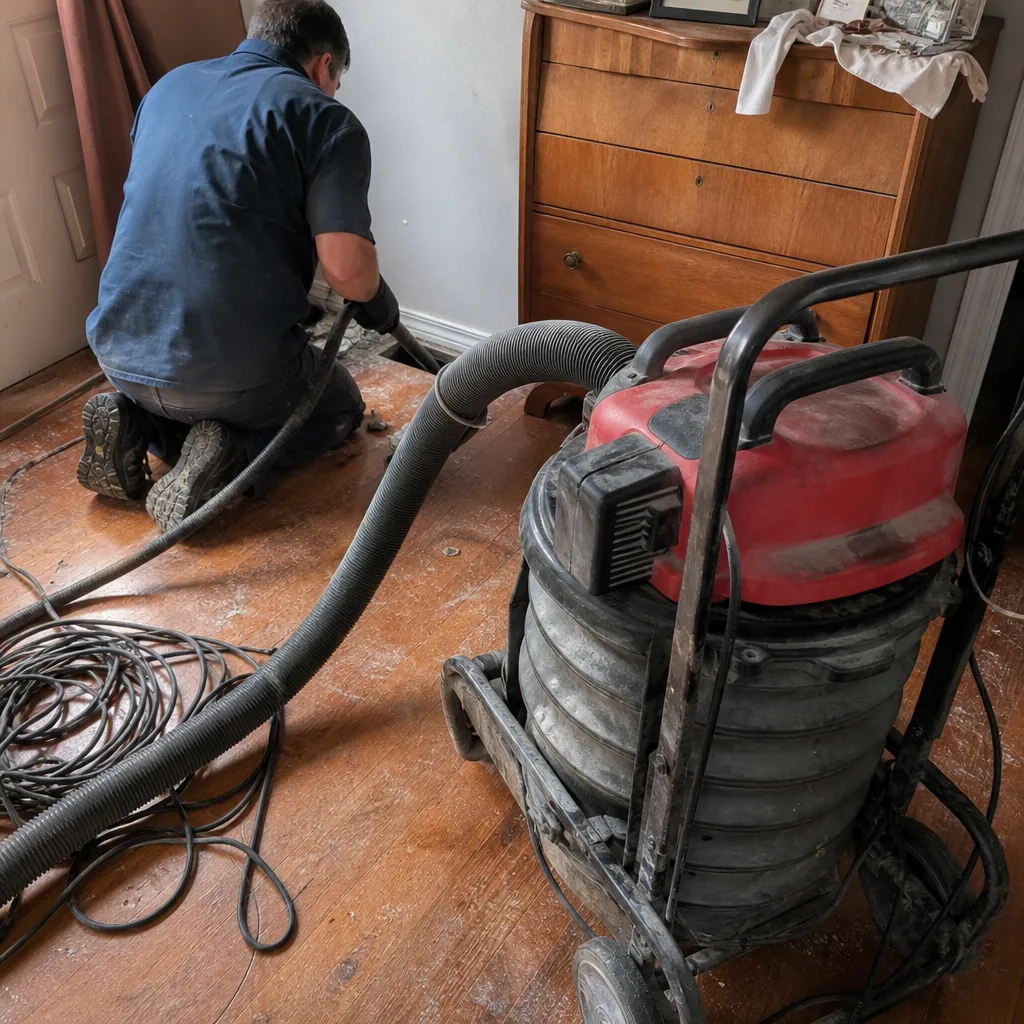
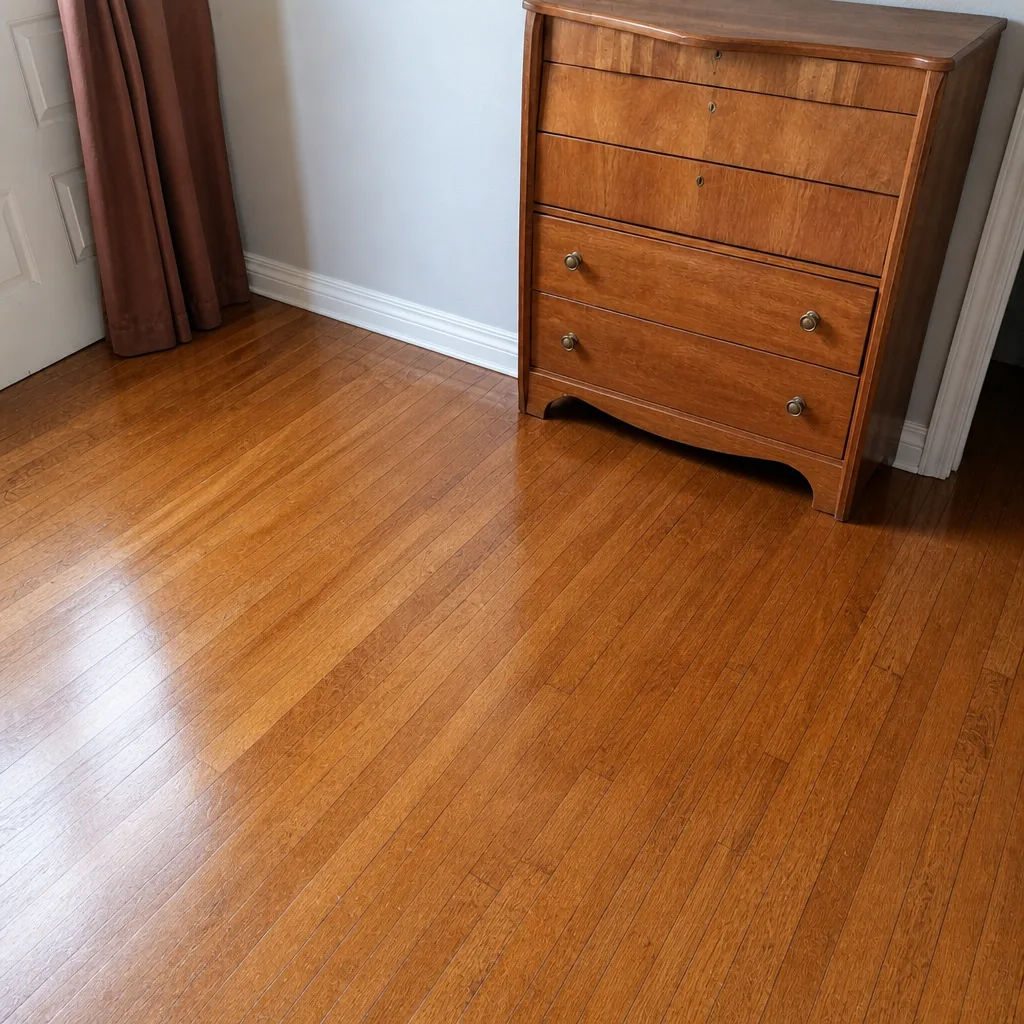
Whole-system duct and dryer vent check with before-and-after photos - you see exactly what came out of your vents
That "$99 whole-house special" is a bait ad - the real number appears once they are in your hallway, or the "clean" is a shop-vac at the register. We photograph the inside of your ducts before and after instead.
Seasonal Air Duct Cleaning Care for Wheat Ridge: Year-Round Homeowner’s Guide
October is the most common month for homeowners in Wheat Ridge to schedule a duct cleaning, and it’s one of the worst timing choices you can make. By then, summer smoke has already moved through the system, but you haven’t yet run the furnace long enough to know what the heat is actually circulating through your house. The result is a cleaning that misses half the picture. Duct maintenance along the Front Range isn’t a biannual box to check – it’s four separate seasons with four different stresses on the same system. This guide walks through each window, what’s accumulating, and how to build a running log of your own duct system so professional visits get faster and more accurate.
Quick Answer
The best year-round duct care schedule for a Wheat Ridge home follows the local climate: a spring cleaning to clear winter debris and incoming pollen, a mid-summer check for wildfire smoke intrusion, a fall cleaning timed with the first heating startup, and a winter attention to low-humidity static and filter bypass. Clean once a year at most, but inspect and adjust the system at each of the four seasonal transitions. Timing the work to the seasons does more for indoor air than cleaning more often.
Styles & brands we work with
- Whole-home duct cleaning
- Dryer vent cleaning
- Camera inspection
- Sanitizing & deodorizing
Table of Contents
- Why seasonal timing matters more than cleaning frequency in Wheat Ridge
- Spring: pollen load and post-winter debris
- Summer: wildfire smoke protocol
- Fall: heating startup inspection before cleaning
- Winter: dry-air static and filter bypass
- Building your rolling 12-month duct system log
- Inspection versus cleaning: what to expect at each stage
- Common mistakes to avoid
Why seasonal timing matters more than cleaning frequency in Wheat Ridge
Most homeowners assume duct cleaning is a “get it done” item – schedule it when you remember, and the calendar doesn’t matter much. In Wheat Ridge, that logic doesn’t hold. The Front Range sits in a band where spring wind events push pollen and fine dust against the foothills, summer wildfire smoke drifts in from the west and northwest for weeks at a time, and winter air gets dry enough to work differently on the surfaces inside a duct than humid air would.
Those three forces don’t hit the same duct walls in the same way, and they don’t hit at the same time. A cleaning in April catches pollen load and winter debris. A cleaning in July catches smoke fallout. A cleaning in October catches what the heating system has just started circulating. Doing it only once a year means you’re picking one of these – and the rest of the year the system keeps working with whatever was missed.
The realistic rule for a Wheat Ridge home is this: one professional cleaning per year at most, and inspection plus a homeowner check at each seasonal transition. That’s a five-point schedule – four seasonal checkpoints and one cleaning – and it keeps the system in far better shape than the same number of cleanings spread without regard to the calendar.
Spring: pollen load and post-winter debris
Spring is the season when the ducts in a Wheat Ridge home are carrying the most biological load of the year. Pollen from the foothills and from the ornamental trees that line streets across the city gets pulled into the return air, and it doesn’t just pass through – fine pollen particles settle on duct walls, especially in the trunk lines closest to the air handler, where airflow is slowest. Along with the pollen, winter has left behind a season of settled dust on the supply registers and a layer of fine debris in the return plenum that accumulates fastest during the long heating months.
Before cooling season begins, spring is the right time to:
- Inspect every supply and return register for visible dust buildup on the grille and behind it.
- Replace the filter – and note the filter’s condition in writing in your log.
- Check that the return-side ductwork isn’t pulling air from an unconditioned space like an attic kneewall or garage ceiling.
- Schedule a cleaning if the system hasn’t been cleaned in the last 12 months, or if visible debris has reached the registers.
- Walk the basement or crawlspace duct runs looking for disconnected sections or crushed flex duct.
In our experience working in Wheat Ridge, we find more duct damage in homes built before the 1990s than in newer construction, because the flex duct and taped joints common in that era have had decades to sag and separate. Spring is the best time to catch it, because you’re already inspecting before cooling season puts the system under load.
Spring is also the season to think about air duct cleaning in a coordinated way with the rest of the house, not as a standalone task. If windows have been open for weeks and pollen counts are high, cleaning the ducts before the AC starts running every day gives the system a clean start to the cooling season.
Summer: wildfire smoke protocol
Wildfire smoke is a seasonal fact of life on the Front Range, and it changes the duct cleaning question. A home in Wheat Ridge that’s been closed up for two weeks of smoke in July and August is not in the same condition as a house that’s had clean air for the whole season. The question most homeowners ask is “should I clean now or wait until fall?” – and the answer depends on how deep the smoke has penetrated the system.
Smoke introduces a mix of fine particulate and volatile organic compounds. The particles are small enough to travel past a standard filter and settle on duct walls, especially in low-velocity sections like the return trunk and the plenum. The VOCs are the source of the lingering “campfire” smell that homeowners describe – and once they’ve been absorbed into dust on the duct surface, they don’t leave on their own.
When to clean and when to seal
Cleaning is the right move for smoke that has already settled into the visible and reachable sections of the ductwork. Sealing is the right move for duct systems with known leaks or disconnected joints, because cleaning a leaky system just gives the smoke a fresh path back in. In most Wheat Ridge homes we see both at once: cleaning to remove what’s accumulated, and sealing the gaps so the next smoke event doesn’t get in the same way.
The practical protocol during a smoke week looks like this:
- Close the house up and set the HVAC fan to “on” with a fresh filter, which keeps the system pressurized and pushes smoke out of gaps rather than in.
- Note the number of smoke days in your duct log – if a smoke event runs more than a week, that’s a marker for the next inspection.
- After the smoke clears, check the filter and replace it if it’s visibly darkened.
- If the smell lingers in the ducts after the outdoor air has cleared, that’s the signal for a cleaning and a HEPA-level filtration pass.
We use Abatement Technologies filtration equipment for this kind of work because it holds up to the fine particulate that smoke delivers, not just the larger dust a shop vacuum catches.
Fall: the heating startup inspection that should precede cleaning
Fall is when most homeowners in Wheat Ridge book a duct cleaning – and it’s also the season when the choice to clean first and inspect second causes the most wasted work. Once the furnace has been running for a week or two, the ducts are finally carrying the load they’ll carry all winter. That’s the moment when the system is telling you the truth about what’s circulating.
The right order is inspection, then cleaning. An inspection before the cleaning catches the things that cleaning alone can’t fix: disconnected duct sections behind drywall, crushed flex runs in a tight basement, a return plenum that’s drawing from a dirty space, or a filter cabinet that bypasses air around the filter instead of through it. Clean a duct with a disconnected section and you’ve spent the money on a system that’s still leaking.
What the fall startup inspection should cover
- Run the furnace for a few days with a fresh filter before the appointment so the system has been under load.
- Inspect the air handler cabinet, the plenum, and the return trunk for visible dust accumulation.
- Check every duct joint that’s accessible – basement ceiling runs, attic chases, and the connection at each register boot.
- Verify the filter fits the cabinet without gaps on the sides, which is the most common cause of filter bypass.
- Then, and only then, schedule the cleaning.
Fall is also the right time for HVAC cleaning, because the furnace and the ducts operate as one system. Cleaning the ducts without cleaning the air handler leaves the source of the contamination in place, and the ducts pick it right back up over the winter.
Winter: dry-air static and filter bypass
Winter in Wheat Ridge is dry. Relative humidity indoors can drop low enough that fine dust behaves differently in the duct system – it clings to duct walls by static charge rather than settling out of the airstream, and it builds into a thin film that’s harder to remove than the same dust would be in more humid conditions. This is the season when duct cleaning pays off least if the rest of the year hasn’t been maintained, because the fine particles are stuck where they land and regular vacuuming at the register can’t reach them.
Winter is also the season when filter bypass becomes visible. A filter that’s undersized for its cabinet, or that’s been installed with a gap on one side, lets air travel around the filter rather than through it. In a dry house, that bypass carries fine dust straight into the air handler and redistributes it through the whole system. You can spot the earliest signs by looking at the inside of the filter cabinet – if the walls are dusty beyond the filter’s edge, air is bypassing.
Three things to check in winter:
- Filter fit – run your hand around the filter’s edges inside the cabinet and feel for air movement on the sides.
- Register grilles – winter dust shows up first on the return grille and the supply registers closest to the air handler.
- Static cling on the ductwork – if you can see a fine film on the inside of a register boot, the fine particle load is building.
If the winter inspection turns up gaps in the duct system itself, winter is a good time to address them with Wheat Ridge Air Duct Cleaning before spring pollen load begins. Sealing in the cold months means the next heating season starts with a tighter system.
Building your rolling 12-month duct system log
The single most useful thing a Wheat Ridge homeowner can do for their duct system is keep a written log. Not a shoebox of receipts – a running document that captures what’s been done, when, and what was found. This is what makes professional service calls faster and more accurate, because the technician arrives knowing what the system looked like last time and what changed.
The log should have five sections:
- Filter changes: date, filter size, filter MERV rating if known, and a note on whether the filter was loaded evenly or mostly on one side.
- Seasonal inspections: one line per season, with anything you noticed – a dusty register, a smell, a draft at a joint.
- Smoke events: approximate dates of wildfire smoke weeks, so the next inspection can be timed to them.
- Professional visits: date, service performed, anything the technician flagged for follow-up, and equipment used.
- Duct repair and sealing history: what was sealed, where, and when – because seals age and need re-checking.
Even a one-page notebook works. The value is in having a record that doesn’t rely on memory, because the systems that age worst in Wheat Ridge are the ones where small issues – a slightly separated joint, a filter that’s one size too small – go unnoticed for two or three years and compound.
Inspection versus cleaning: what to expect at each stage
One of the most common confusions we see is homeowners who think a duct cleaning is the same as a duct inspection, or that one covers the other. They’re different services and they answer different questions. A cleaning removes what’s in the system. An inspection tells you whether cleaning is the right next step, and whether something in the system is waiting to be fixed before cleaning makes sense.
What a cleaning involves
A professional cleaning uses mechanical agitation – specifically the rotating brush systems that Rotobrush and Nikro make – combined with negative pressure to pull loosened debris out of the system. Professional-grade equipment matters here because a big-box vacuum can’t move enough air to create the negative pressure inside the ducts that keeps debris from redepositing in the room. We use HEPA-level filtration on the exhaust side of the equipment so the fine dust that gets dislodged is captured, not returned to the house.
What an inspection involves
An inspection is a visual and physical assessment: opening the air handler, checking the plenum and trunk lines, verifying filter fit, walking accessible duct runs, and looking at register boots. It’s what tells you whether the system needs cleaning, repair, or both. Honeywell and Aprilaire equipment knowledge matters here, because the air quality question – whether the home needs better filtration, humidity control, or ventilation – comes down to what the assessment finds, not what a cleaning schedule suggests.
What a repair and seal involves
Duct repair and sealing addresses the root cause of energy loss and contamination. A house in Wheat Ridge with visible dust accumulation on the register grilles often has a joint that’s separated behind drywall, which is why cleaning alone never holds. The repair side of the work is what makes the cleaning side last.
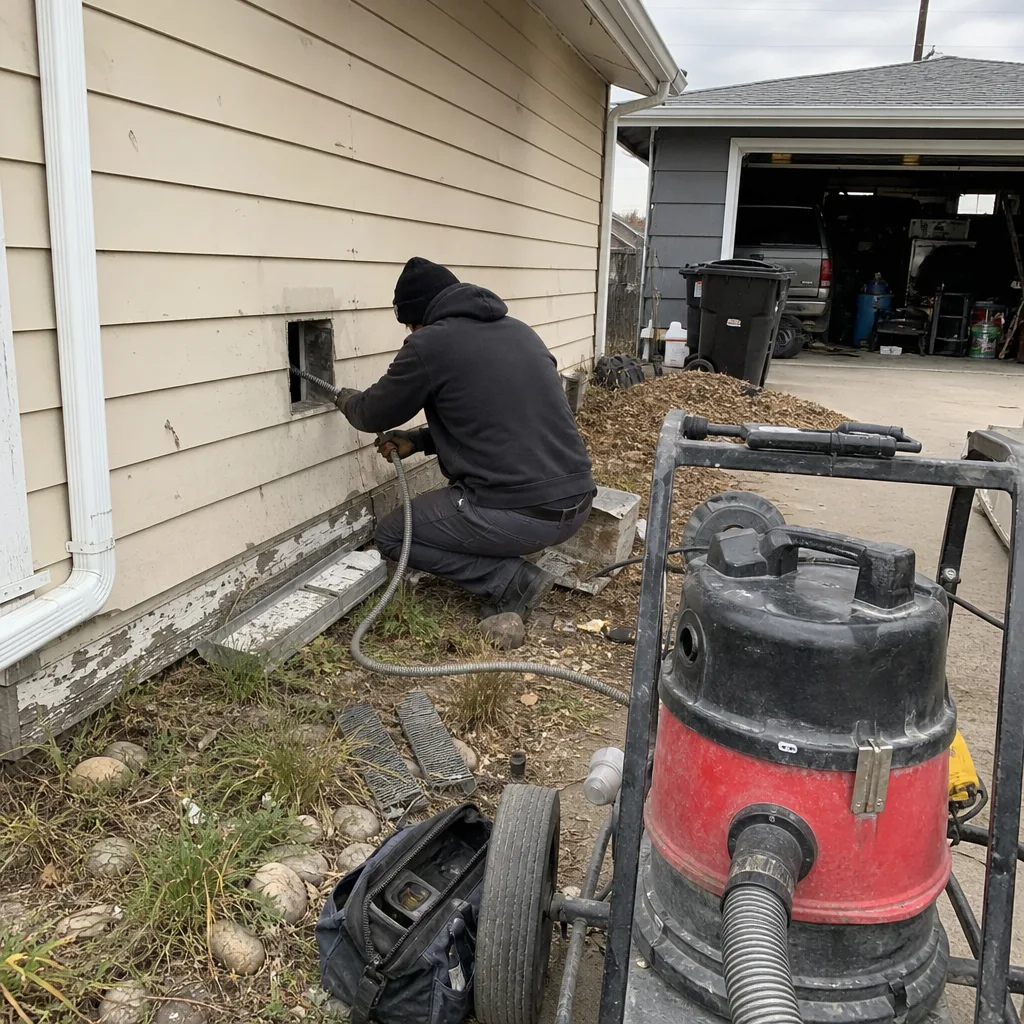
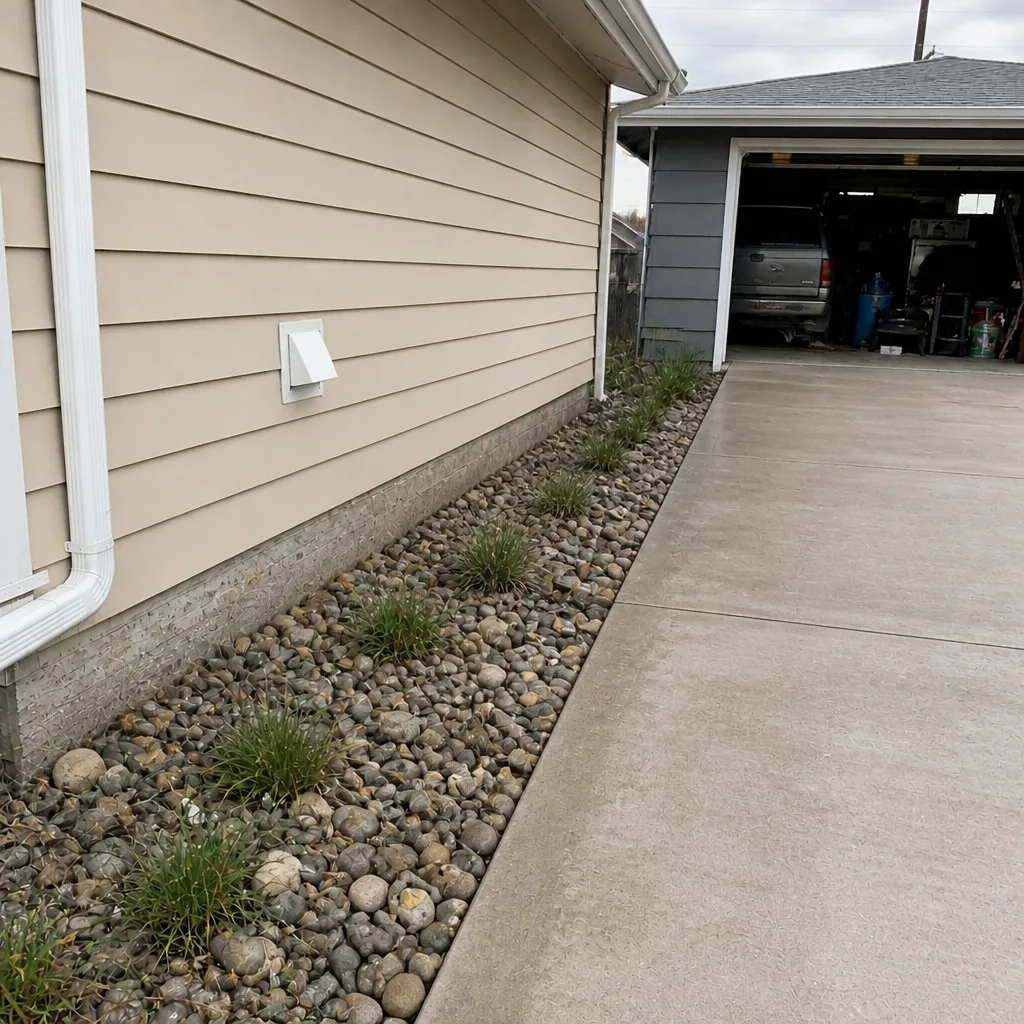
Dryer vents deserve their own check in this rotation, because dryer vent cleaning is one of the most overlooked fire safety items in a home and it runs on its own seasonal rhythm – lint builds up in the exhaust run every year whether the ducts that carry heated air are clean or not.
Common Mistakes to Avoid
- Cleaning in October before the heating startup. The heating system needs to run for a week or two before a cleaning to show what’s actually circulating. Cleaning before that misses the winter load entirely.
- Cleaning without inspecting. A duct cleaning on a system with separated joints or a filter that bypasses the cabinet cleans the ducts and leaves the source of contamination in place. Inspect first, then clean.
- Skipping the filter check between cleanings. In a dry Wheat Ridge winter, a filter that’s one size too small lets dust bypass around it. Checking fit at every seasonal change catches this before it becomes a cleaning problem.
- Treating smoke weeks as no different from ordinary weeks. A two-week smoke event in August puts a load in the ducts that an ordinary year doesn’t. Note the smoke days in your log so the next inspection is timed to it.
- Ignoring the return-side ductwork. Most attention goes to supply registers. The return plenum and trunk are where the largest dust load accumulates, and it’s the section that gets missed when the work is done casually.
- Using a consumer shop vacuum on the ducts. A shop vacuum has neither the pressure nor the filtration to clean ducts without redepositing dust in the room. It’s the wrong tool, and the fine dust it fails to capture is exactly what causes the air quality complaint.
- Forgetting the dryer vent in the rotation. A duct-only checklist leaves out one of the most significant fire safety items in the home. Dryer vents need their own annual check.
See the difference
 Before
 After
 Before
 After
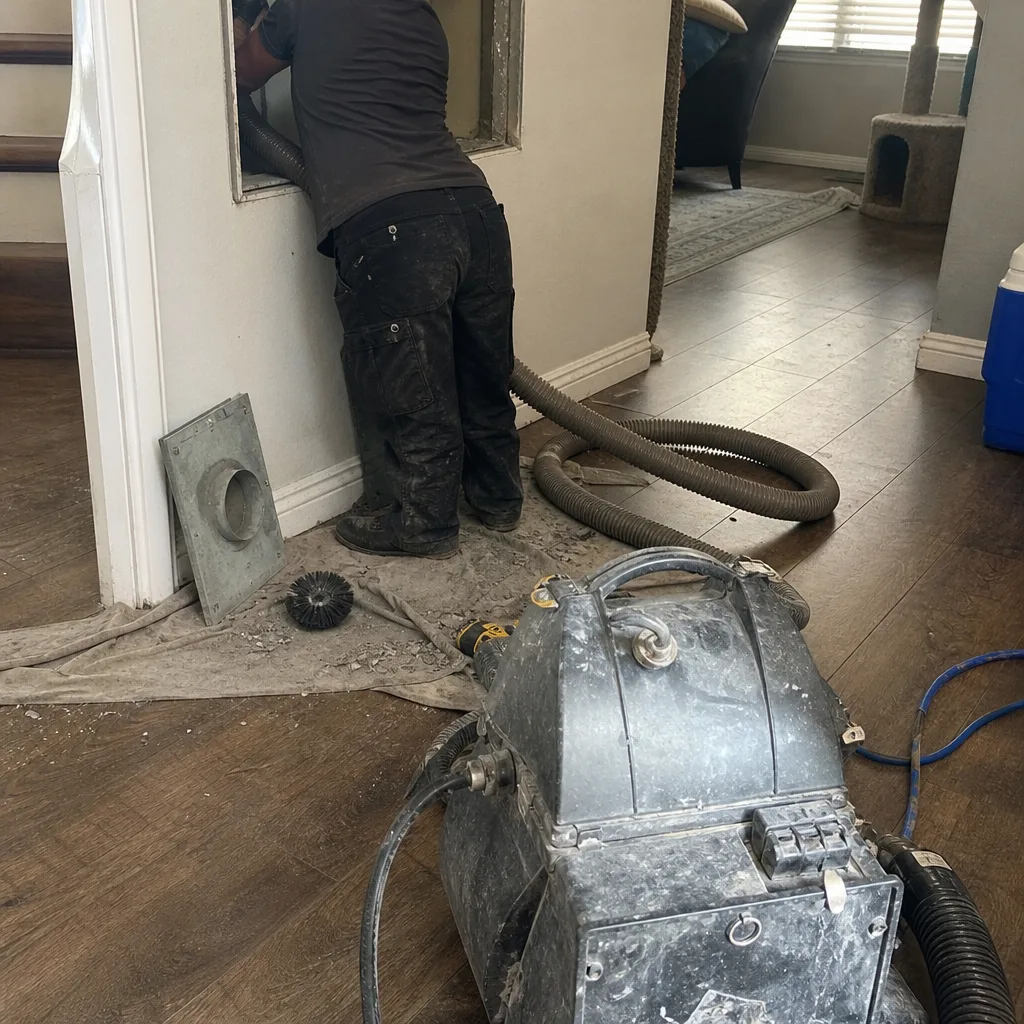 Before
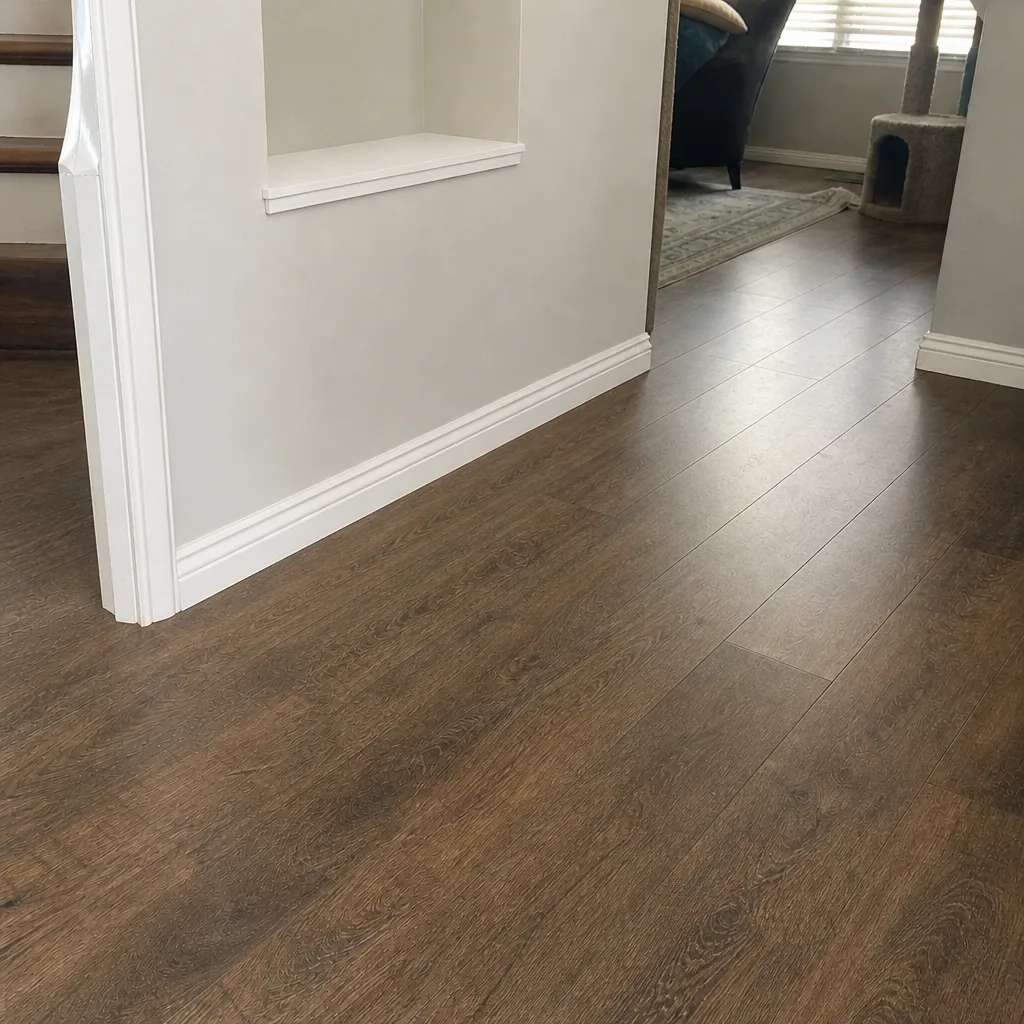 After
When to Call a Professional
Some issues are homeowner checks; others need a professional on site. Call a professional when you can see dust accumulating on the register grilles faster than usual, when a smell lingers in the ducts after a smoke event has cleared outside, when you notice a draft at a duct joint or see a section of flex duct that’s sagged or separated, or when the system hasn’t been inspected in more than two years and you’re not sure what’s under the floor.
The same applies if you’ve recently renovated – drywall dust and construction debris do not stay in the room where they were made, and the fine gypsum dust that settles in a duct system after a remodel is exactly what a mechanical cleaning is designed to remove.
Wheat Ridge Air Duct Cleaning offers free estimates in Wheat Ridge – call (855) 550-7950. We answer 24/7. Fast dispatch from 7am to 7pm, Sunday through Friday. Pricing is set per job by a written estimate, and our technicians have up to 10 years of experience.
Frequently Asked Questions
Once a year at most for most homes, and only when the inspection shows it’s needed – seasonal inspection is the real answer, not a fixed cleaning calendar. A home near a busy road, in an area with heavy spring pollen, or one with pets may benefit from a cleaning every 12 months. A home that’s had a recent renovation or a long smoke exposure may need it sooner. The cleaning decision should come from what the system shows, not from a renewal date.
Fall is the best time to clean, but only after the heating system has been running for a week or two – not before. Cleaning in October before the first heating load misses the winter circulating pattern entirely, and that’s the most common timing mistake. Late October to mid-November, once the furnace has been under load, gets the cleanest result for the money. Call (855) 550-7950 for a free estimate and we’ll help you pick the window.
You can, if the smoke smell has cleared and you have no allergy or respiratory concerns – but if the smell lingers in the ducts after outdoor air has cleared, it’s worth addressing before the heating season. Smoke odors absorbed into duct dust tend to reappear when the heating system runs. A cleaning with HEPA-level filtration in the late summer or early fall removes the source before winter circulation amplifies it.
Cleaning removes debris from inside the ducts; sealing closes the gaps and joint separations that let debris and air escape or enter the system. They address different problems. Cleaning a system with a separated joint leaves the gap in place, and the ducts get dirty again faster than they should. In many Wheat Ridge homes the right answer is both: cleaning first, then sealing the accessible joints so the cleaning holds.
Three things to look for: visible dust on the register grilles and behind them, a persistent musty or smoky smell from the supply registers, and a filter that loads unevenly rather than across its full face. Any one of these is worth a professional inspection. The absence of any is a good sign the system can wait until the next seasonal check.
Filter change dates and sizes, one line per seasonal inspection noting anything you saw, smoke event dates, professional visit dates and what was done, and any duct repair or sealing history. Keep it to one page and update it at each season. A technician who arrives with that log in hand can work faster and more accurately than one starting from scratch.
The Bottom Line
Duct care in Wheat Ridge is a four-season schedule, not a biannual reminder. Spring catches pollen and winter debris. Summer is a smoke protocol – clean when the smell lingers, seal when the system leaks. Fall is the right time to clean, but only after the heating startup inspection. Winter is for filter fit and attention to dry-air static. A rolling 12-month log makes every professional visit sharper. Clean ducts are only the start; repair, sealing, and air quality work on the same system is what makes the cleaning hold up.
Call (855) 550-7950 for a free estimate. We answer 24/7. Fast dispatch from 7am to 7pm, Sunday through Friday. Pricing is set per job by the written estimate.
Written by the team at Wheat Ridge Air Duct Cleaning.