
Last updated November 25, 2026
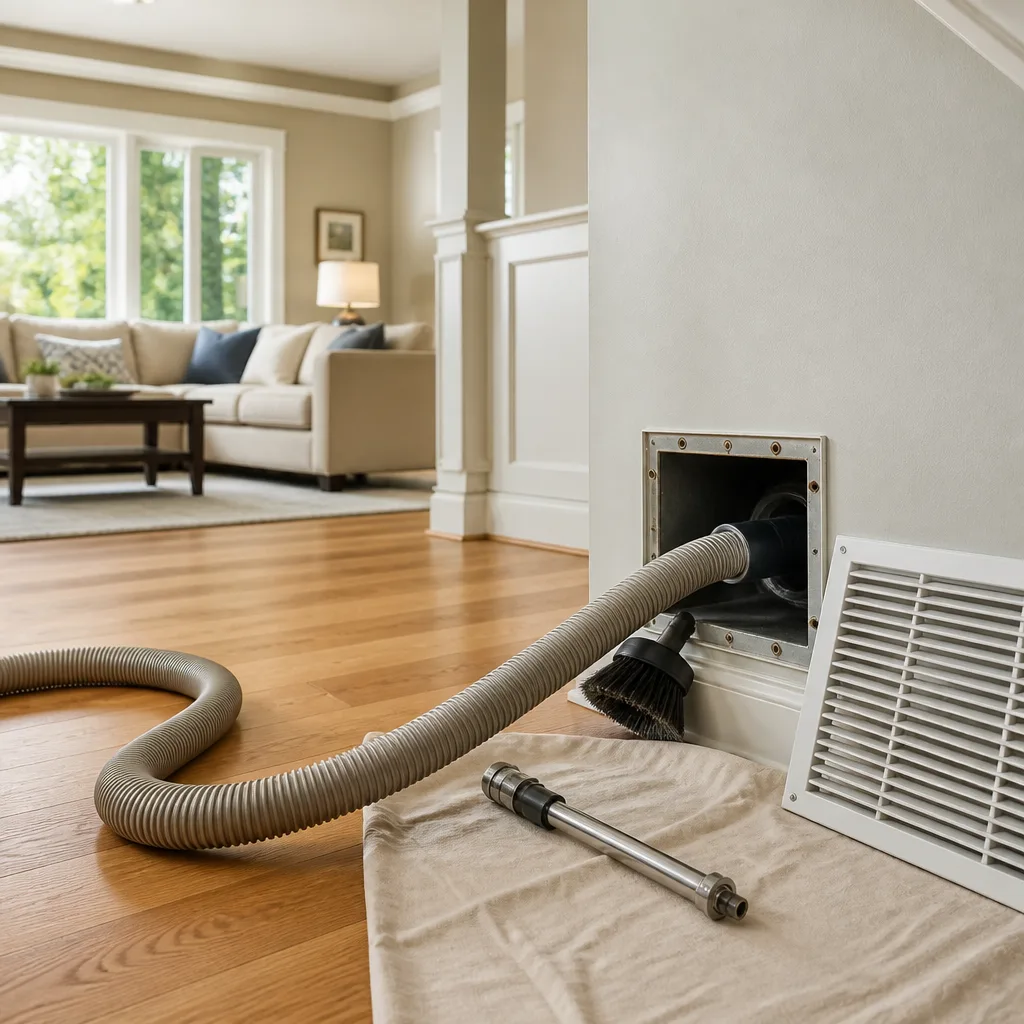 Whole-home duct cleaning
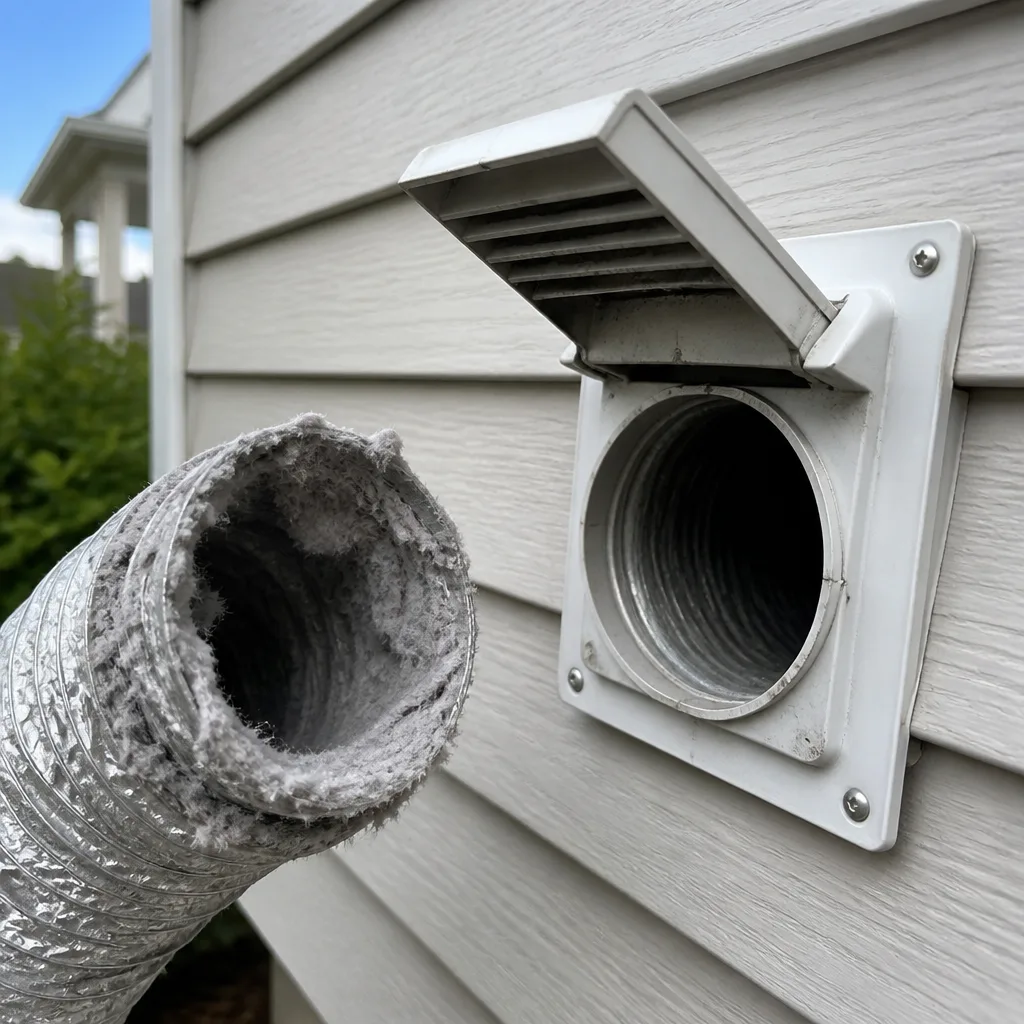 Dryer vent cleaning
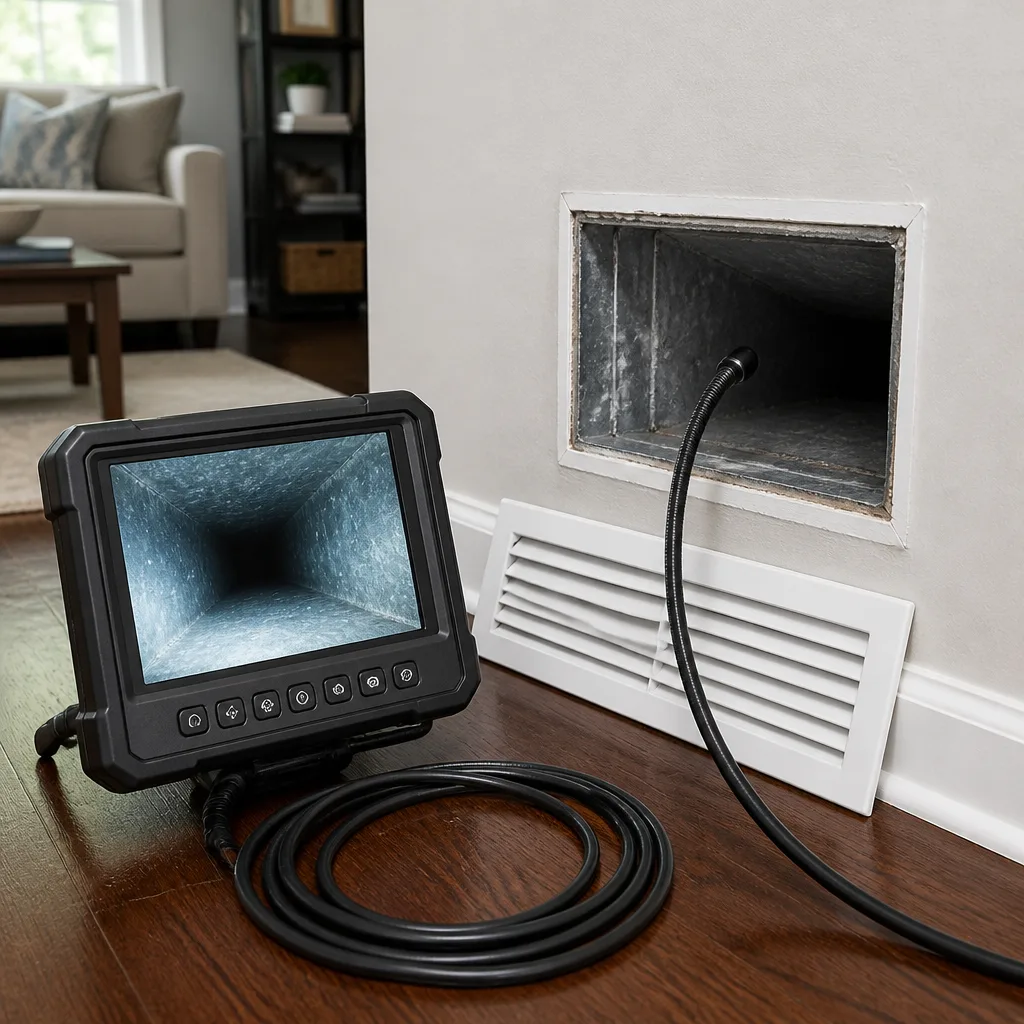 Camera inspection
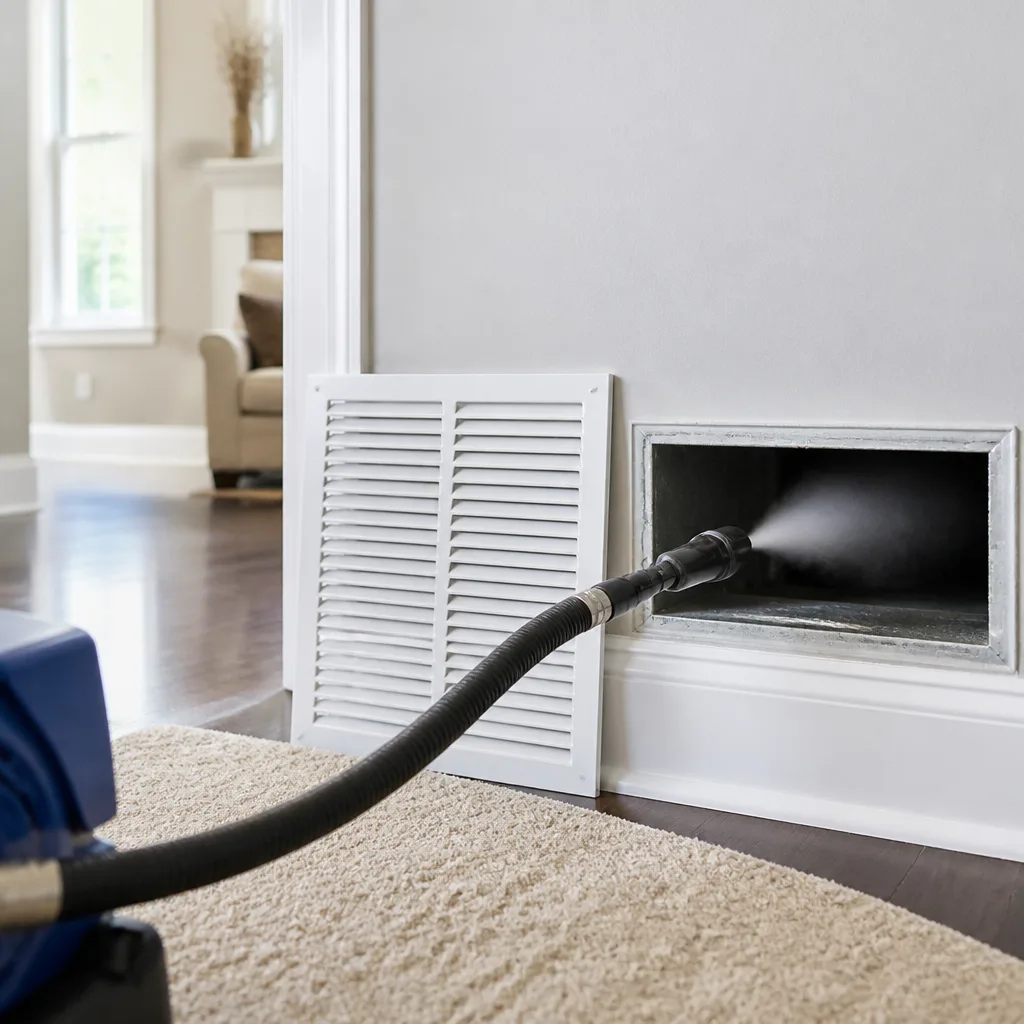 Sanitizing & deodorizing
Whole-system duct and dryer vent check with before-and-after photos - you see exactly what came out of your vents
That "$99 whole-house special" is a bait ad - the real number appears once they are in your hallway, or the "clean" is a shop-vac at the register. We photograph the inside of your ducts before and after instead.
Air Duct Cleaning Cost Breakdown: The Wheat Ridge Homeowner’s Reference for 2026
A $99 whole-house duct cleaning and a $650 whole-house duct cleaning are not the same service with different margins. They’re physically different processes that produce different outcomes. One runs a shop vacuum through the supply registers and calls it done; the other puts a mechanical brush system and HEPA-rated negative air equipment through every trunk and branch of the system, then seals what it finds. Knowing which one you’re being quoted takes about five minutes of education, and that’s what this guide is for. We’ll break down what drives real cost in Wheat Ridge, what the low-price services actually skip, and how to read a written quote line by line so you can see the plan behind the price.
Quick Answer
Whole-home air duct cleaning in Wheat Ridge typically runs $350 to $700 for a single system, with larger or multi-system homes landing between $600 and $1,200. The final number is set by a written estimate that reflects the number of HVAC systems, the linear footage and layout of the ductwork, the equipment class required, and any repair or sealing the system needs. A quote below about $250 for a full house is almost always a source-removal-only visit, not a system cleaning.
Styles & brands we work with
- Whole-home duct cleaning
- Dryer vent cleaning
- Camera inspection
- Sanitizing & deodorizing
Table of Contents
- What actually drives the cost of a duct cleaning
- What the low-price services are doing for the money
- Add-on pricing, decoded: dryer vents, sanitizing, and sealing
- Wheat Ridge-specific factors that change the scope
- How a typical job goes, step by step
- How to read a written quote like a contractor
- Typical price ranges in Wheat Ridge for 2026
What Actually Drives the Cost of a Duct Cleaning
Four things separate a $350 job from a $1,000 job, and none of them is the company’s profit margin. They’re labor hours, equipment class, the number of HVAC systems in the house, and the linear footage and accessibility of the ductwork. A 1,200-square-foot ranch with a single furnace in a basement closet and short, straight runs is a different animal from a 2,800-square-foot split-level with a furnace, an attic air handler, and flex duct snaking through a crawlspace. The second house can easily take three times the labor.
The four cost drivers in detail
- Labor hours. A thorough single-system cleaning with proper agitation and negative air typically takes 2 to 4 hours with two technicians. Add a second system, and you add most of that again.
- Equipment class. Consumer vacuums and low-power portables can’t create the negative pressure needed to pull debris out of a system. Professional-grade mechanical systems built for HVAC work, and HEPA-level filtration units used in remediation settings, are what make the difference between surface dust and actual source removal.
- Number of systems. Two furnaces mean two complete treatments, two sets of supply and return runs, and two separate air-handling units to clean.
- Linear footage and access. Long runs, tight attic spaces, and crawlspace trunks take more time per foot. Branch runs behind finished walls may need access cut and patched, which is a separate scope item.
When a contractor hands you a price, they’re sizing those four variables. If they haven’t measured or looked at the system, the price isn’t a quote, it’s a guess.
What the Low-Price Services Are Actually Doing for the Money
When you see a whole-house duct cleaning advertised at a price that seems too good, the service being sold is almost always a surface vacuum of the supply registers from inside the living space. That’s not a scam in the legal sense, but it isn’t what most homeowners think they just bought. Here’s what gets skipped to hit that price point.
Steps skipped by cut-rate services
- Negative air containment. A proper job sets up a HEPA-rated vacuum on the main trunk to keep the whole system under negative pressure so dislodged debris leaves the house instead of settling into the rooms. Skipping this is the biggest single omission.
- Mechanical agitation. Professional mechanical cleaning uses rotating brush and whip systems to loosen debris bonded to duct walls. A vacuum alone won’t move it.
- Return-side cleaning. Returns carry the bulk of the soil and are the hardest to reach. Cheap services often clean supply branches only.
- Air handler and coil access. The blower compartment and evaporator coil sit downstream of everything. Cleaning ducts without cleaning the air handler leaves the dirt source in place.
- Before-and-after photos. A crew confident in the work shows you what the ducts looked like before and after. A crew that can’t isn’t documenting anything.
We run Rotobrush and Nikro mechanical systems paired with Abatement Technologies filtration on every full-system job because that’s what it takes to do the cleaning surface equipment can’t. When a quote is half the going rate, the missing half is usually the process.
Add-On Pricing, Decoded: Dryer Vents, Sanitizing, and Sealing
Add-ons are where honest contractors and margin-driven ones part ways. Some add-ons do real work. Others are a line item on the invoice and a can of spray. Here’s how to tell them apart.
Add-ons that do real work
- Dryer vent cleaning. Typically $100 to $200 on its own, and often bundled at a lower combined rate when done with a duct cleaning. This isn’t upsell filler. Lint buildup in a dryer vent is a leading cause of residential fires, and most duct-only companies don’t offer the service at all. It’s one of the five core services we handle as part of a full-system approach.
- Duct sealing. Typically $300 to $800 depending on the number of leak points addressed. Leaky ducts waste conditioned air and pull attic or crawlspace dust into the system. Sealing fixes the source of the problem instead of cleaning around it.
- Sanitizing and air quality treatment. Typically $150 to $400 depending on system size. It matters most after water intrusion, pest activity, smoke damage, or a long period of heavy contamination. Honeywell and Aprilaire product familiarity means we’re treating the air handling system, not just fogging it.
Add-ons to question
Vague “deodorizing” that doesn’t name the product, a “system flush” with no defined scope, or anything quoted without the technician explaining exactly what it treats. Ask what it does, where it goes, and why the system needs it. A straight answer takes thirty seconds.
Wheat Ridge-Specific Factors That Change the Scope
Wheat Ridge has its own construction patterns that show up in the scope and price of every duct cleaning we quote. Three stand out.
Basement mechanical rooms
Many Wheat Ridge homes were built with the furnace and air handler in the basement, which usually makes access easier and brings cost down. But when the mechanical room is finished in, with a low clearance and the unit pushed against a wall, access time goes up. The technician has to work around shelving, water heaters, and tight turns to reach the return plenum and coil.
Crawlspace duct runs
Crawlspace trunk lines are common in the older neighborhoods of Wheat Ridge, and they’re where scope gets complicated. Ductwork in a vented crawlspace is exposed to soil moisture and colder temperatures. Insulation falls off. Seams open. If the ducting is original galvanized with failing connections, cleaning alone won’t fix air leaks, and a thorough job often pairs cleaning with resealing. That added scope is a real cost driver, and it’s why crawlspace homes can price $150 to $300 higher for the same square footage.
Older homes with original galvanized ductwork
Original galvanized ductwork from the mid-century builds common in Wheat Ridge is heavier and holds up better to cleaning than thin flex duct, but the seams and joints are usually where the leaks are. Cleaning a 1950s system without identifying loose joints is a missed opportunity. We treat Wheat Ridge Air Duct Cleaning as a full-system service for exactly this reason: clean, inspect, repair, seal. Clean ducts are only the start; if the ducts are leaking, cleaning them will not keep the contamination out.
Wheat Ridge’s dry air and strong seasonal dust loads also mean fine powder and construction debris tend to settle in trunks over time. After any renovation, the dust load can double. Post-renovation cleanings are a standard job here.
How a Typical Job Goes, Step by Step
Understanding the sequence makes it easier to see where the price went. A typical full-system duct cleaning on a Wheat Ridge house runs like this:
- Walk-through and access check. We confirm how many HVAC systems, identify every supply and return, and check access to the air handler, coil, and plenum.
- Setup and containment. HEPA-rated negative air equipment is connected to the main trunk. Registers are sealed with protective covers. Floor coverings go down before any equipment enters the space.
- Mechanical cleaning. Rotating brush and whip systems are run through every trunk and branch. The negative air pulls loosened debris out of the system as it goes.
- Air handler and coil cleaning. The blower compartment and evaporator coil are cleaned as part of the same visit. This is one reason we also offer HVAC cleaning alongside duct work.
- Inspection and documentation. Before-and-after photos of representative sections. Any loose joints, failing connections, or rodent intrusion are noted for a follow-up scope.
- Sealing or repair, if quoted. If duct repair is part of the job, we seal leaks and reconnect dislodged sections before the system goes back into service.
- Dryer vent cleaning, if booked. Separate cleaning on the dryer vent line. Most homeowners schedule dryer vent cleaning with the duct work so it’s one visit.
The property is left as we found it. Guardsman-level protection standards are what we go by, because the air inside the house matters as much as the air inside the ducts.
How to Read a Written Quote Like a Contractor
A written quote is a plan. Read it that way and you can reverse-engineer exactly what the contractor intends to do. Here are the line items that matter.
What a written quote should itemize
- Number of HVAC systems. Two systems should be priced as two systems. A one-number quote for a two-furnace house is a red flag.
- Number of supply and return registers or branches. This tells you the contractor actually walked the house. If the count doesn’t match what you can see, ask why.
- Equipment named. What kind of vacuum, what class of filtration. A quote that doesn’t name the equipment is a quote that doesn’t know.
- Air handler and coil included yes/no. If they aren’t on the line items, they’re not in the job.
- Repair or sealing scope, if any. What leaks are being sealed, how, and with what material.
- Before-and-after photo documentation. It should be on the quote, not offered as a favor.
Questions to ask before signing
- Will you be setting up negative air on the main trunk, or vacuuming from the registers?
- Are you cleaning the return side and the air handler, or supply only?
- What equipment will be on-site? Name and model class.
- What’s the plan if you find loose or disconnected ductwork?
- Is this a flat price per system, or will the invoice change once you’re here?
Flat price per system, agreed before work starts, is how we quote. A defender of the trade will welcome those questions. A crew that hedges on them won’t. Learn more about how the core service works at air duct cleaning.
Typical Price Ranges in Wheat Ridge for 2026
These are typical ranges for a residential job in the Wheat Ridge market. Every written estimate is what sets the final price, and these ranges assume standard access.
- Whole-home duct cleaning, single system: $350 to $700
- Whole-home duct cleaning, two systems: $600 to $1,200
- Air handler / coil cleaning add-on: $75 to $200
- Dryer vent cleaning: $100 to $200
- Duct repair and sealing: $300 to $800 depending on leak points
- Air quality sanitizing: $150 to $400
- Post-renovation full system cleaning: At the upper end of the ranges above, because fine construction dust settles into every trunk
Five distinct categories sit under one roof here: cleaning, HVAC service, dryer vent cleaning, duct repair and sealing, and air quality sanitizing. When you get all five quoted separately by five companies, the totals add up in ways a single scope can avoid.
Common Mistakes to Avoid
- Buying on price alone. The lowest bid and the highest bid are usually quoting different scopes. Compare line items, not headlines.
- Assuming the whole house is in the quote. Confirm the number of systems and that returns are included. A “whole house” quote that covers supply only is the most common scope swap in this trade.
- Skipping the dryer vent. Most duct-cleaning services don’t offer it. Lint buildup is a real fire risk and it’s a separate line from the HVAC system.
- Cleaning without sealing. If the ducts leak, contamination keeps coming back. Ask whether the quote includes a leak inspection, and treat a “no” as a signal that the contractor stops at debris removal.
- Choosing a service without before-and-after photos. In Wheat Ridge, dust loads are high enough that the difference between clean and clean-looking is easy to see when a company shows their work.
- Scheduling without access confirmed. If you have a finished basement mechanical closet or a crawlspace, confirm access before the crew arrives, or the visit can be rescheduled at the door.
- Taking a verbal price over the phone. A number without an inspection isn’t a quote. Ask for the written estimate before scheduling.
See the difference
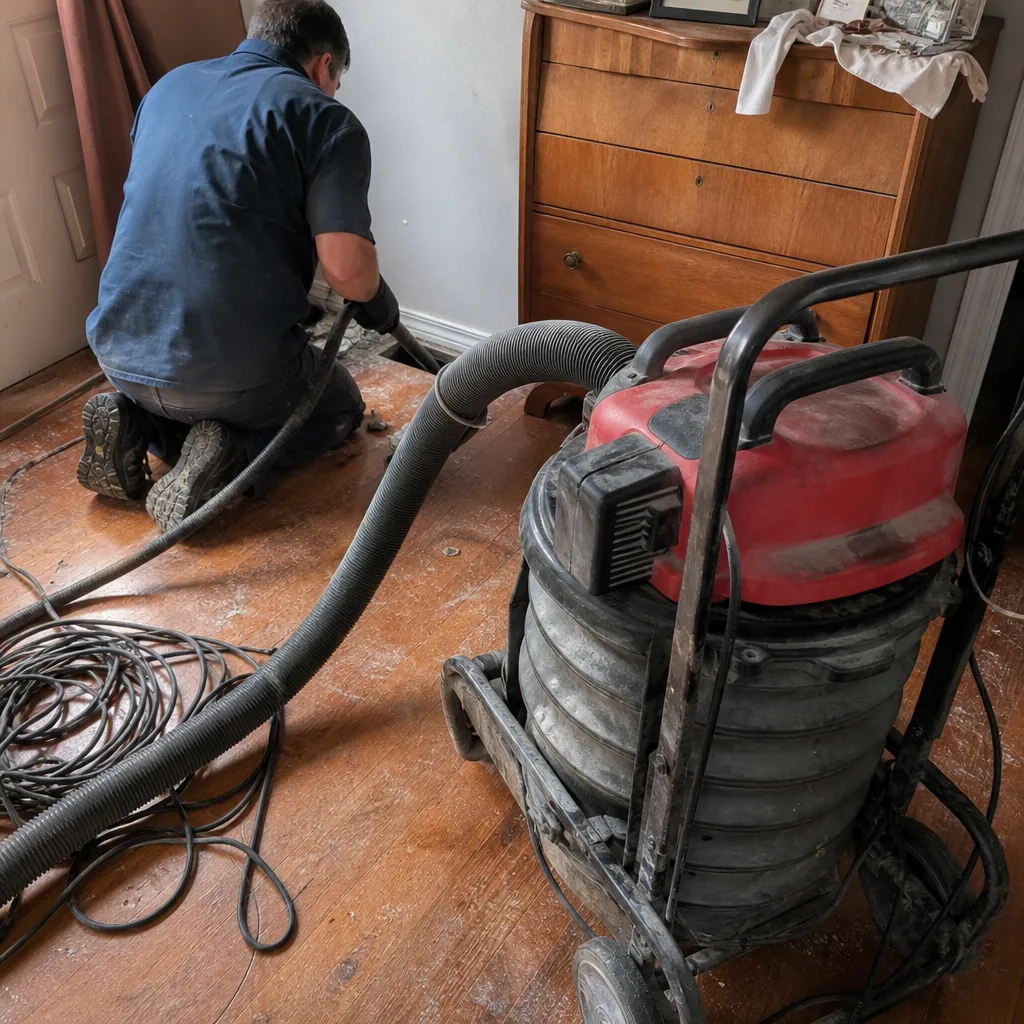 Before
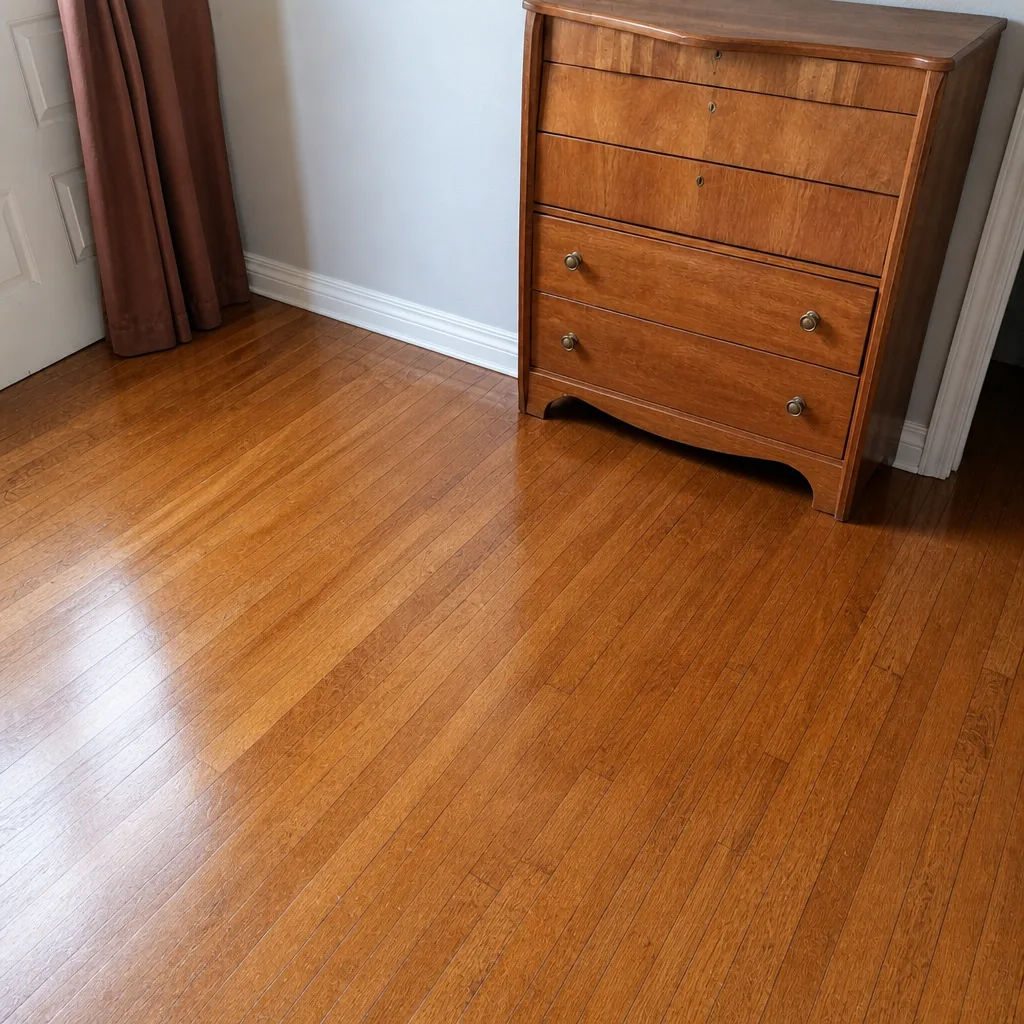 After
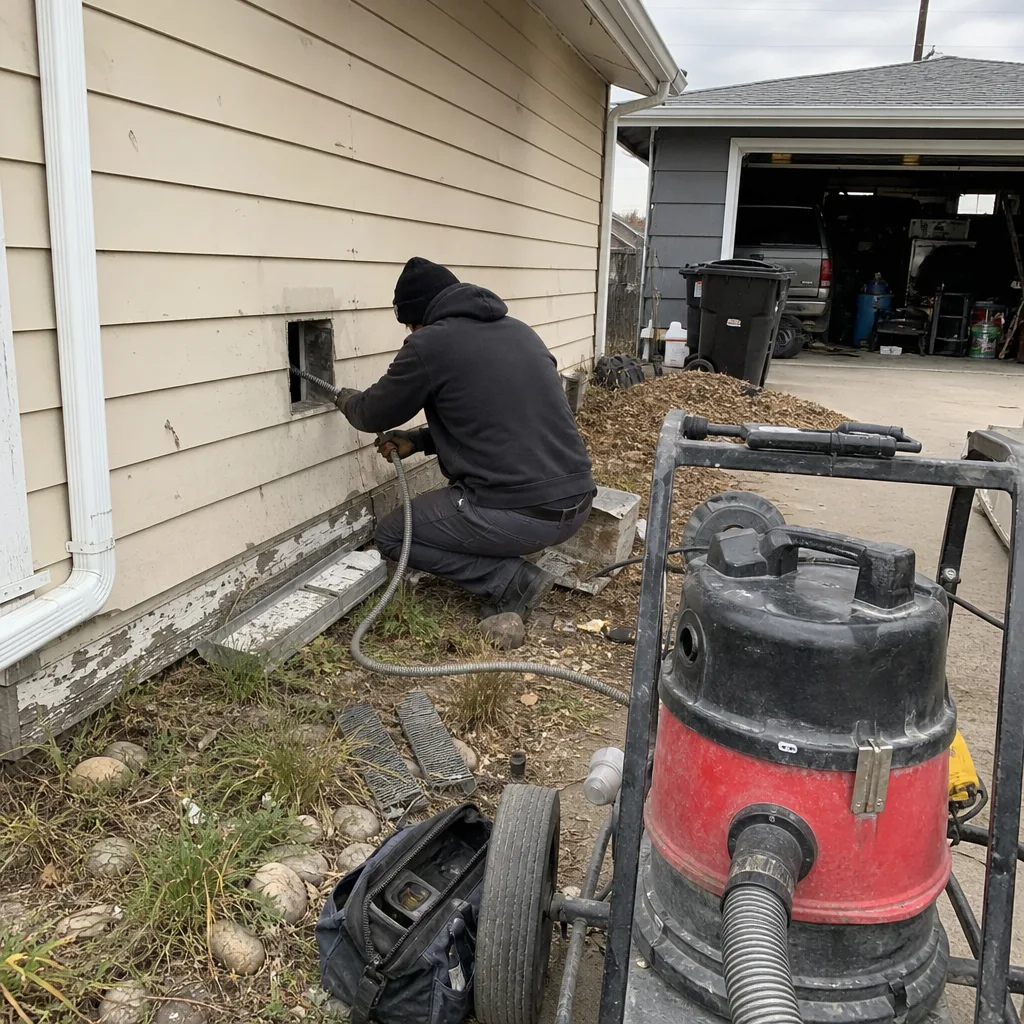 Before
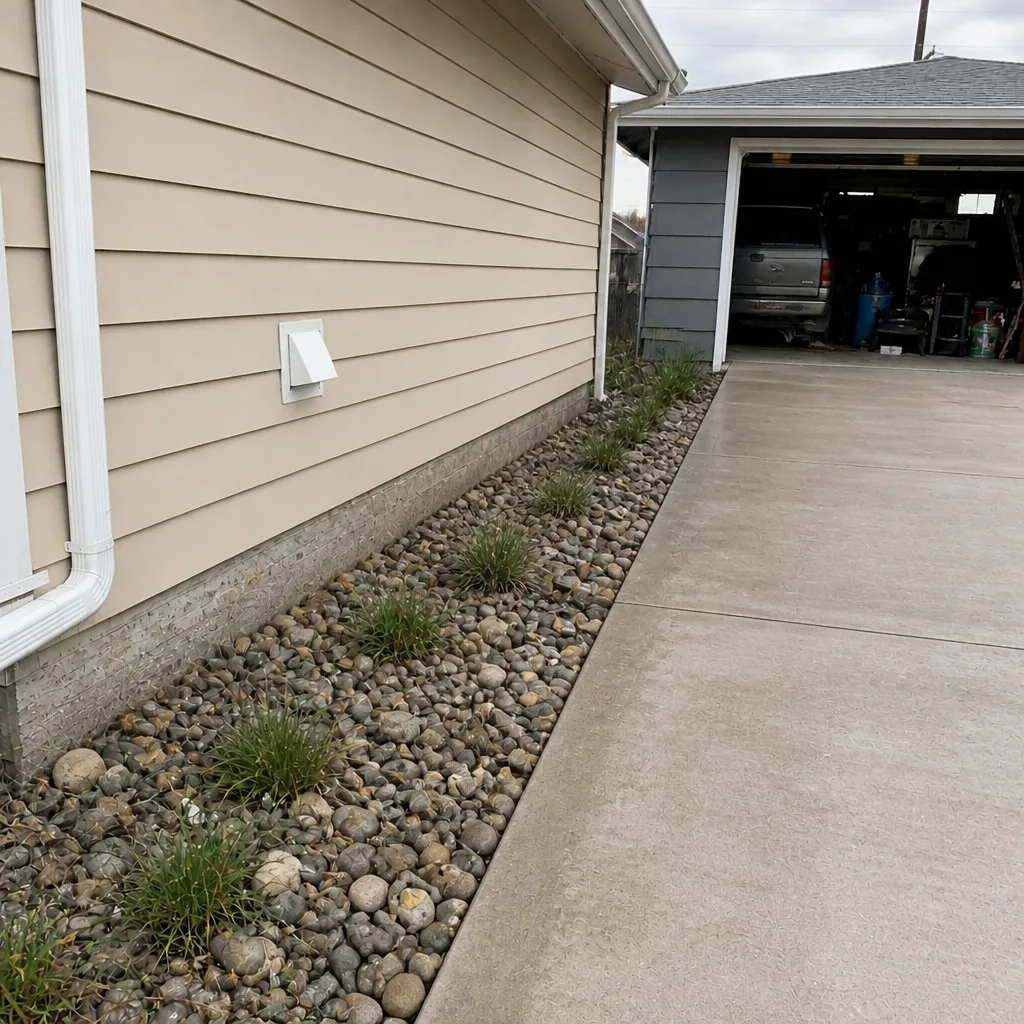 After
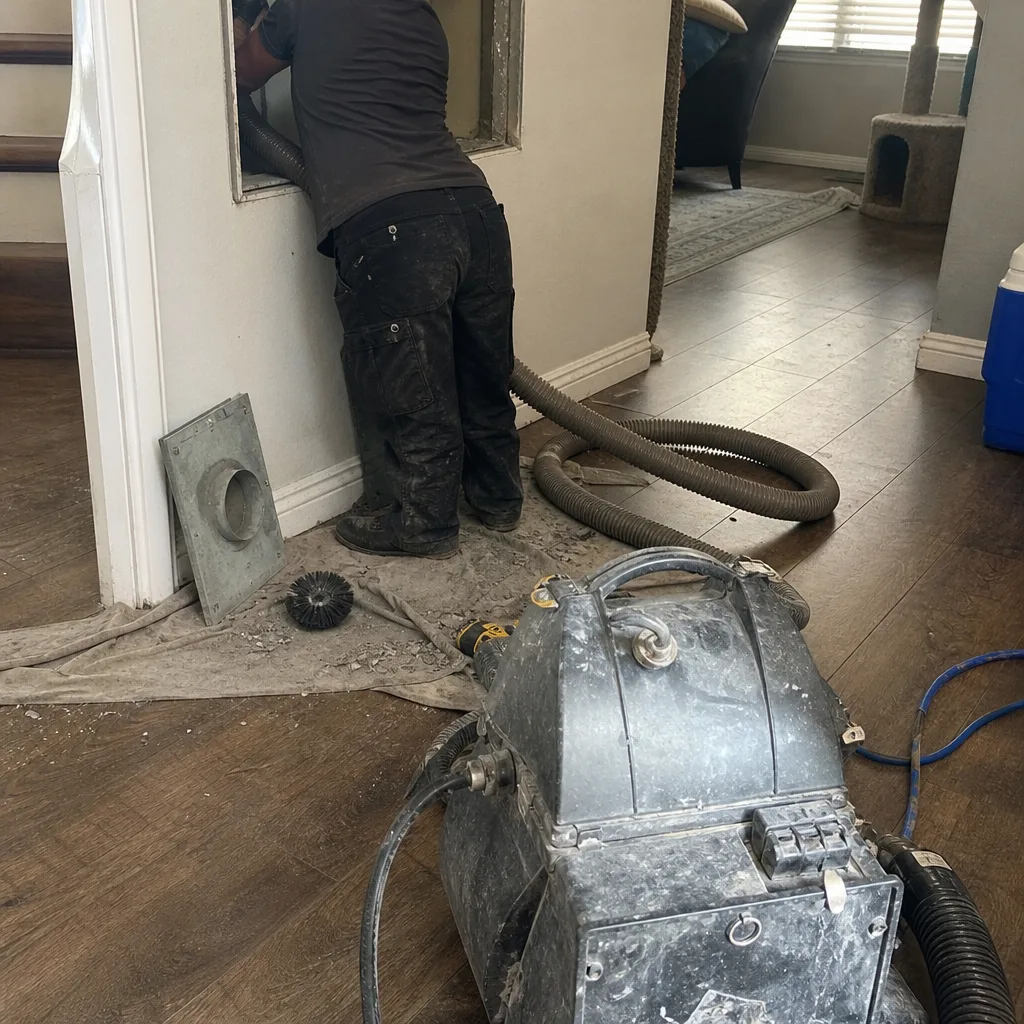 Before
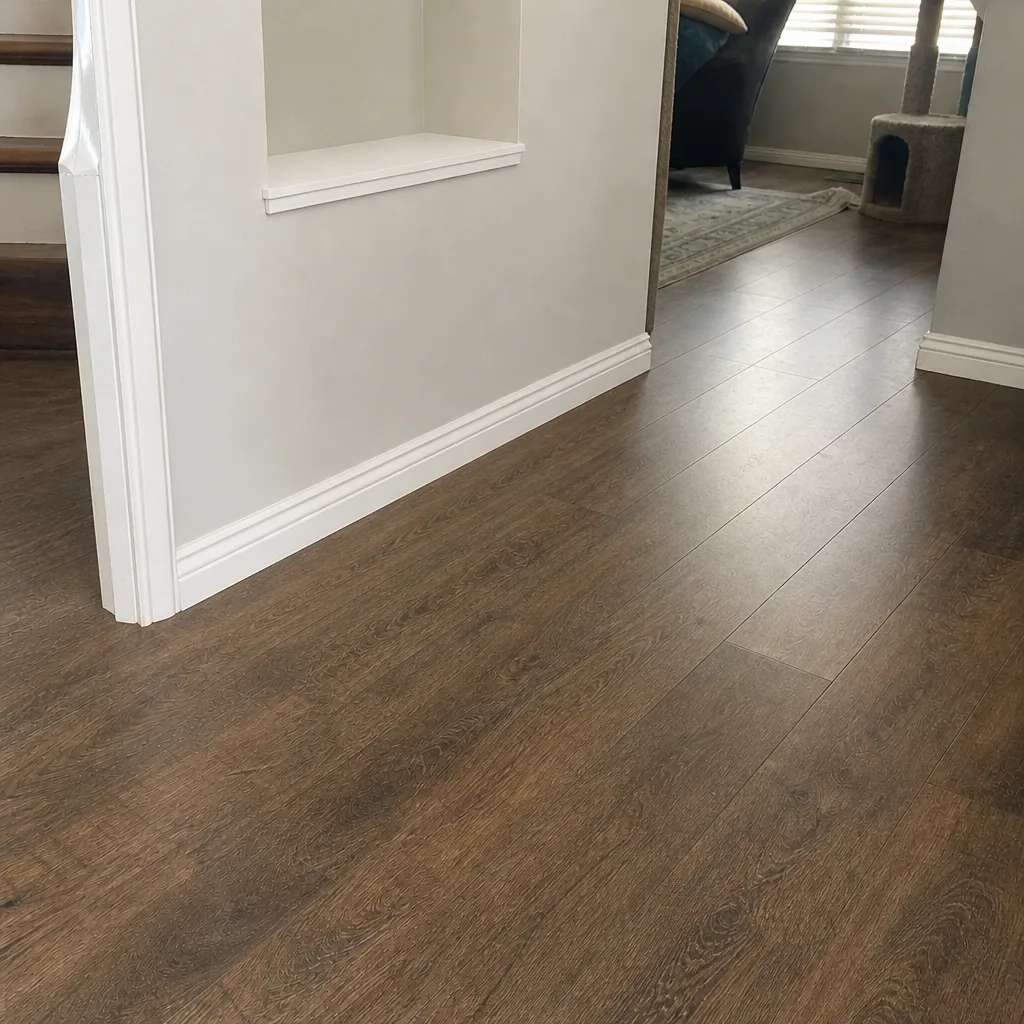 After
When to Call a Professional
You don’t need an inspection on a fixed schedule. You need one when the system tells you. Visible dust streaking at supply registers, especially after recent renovation, is a clear signal. Persistent musty odor when the HVAC runs usually points to moisture in the system. Unexplained dust buildup in the house after either of those is the third sign. Allergies or asthma symptoms that get worse indoors in the same season every year are worth a conversation with an HVAC tech, and duct condition can be part of that picture. A dryer that takes noticeably longer to dry a load, or feels hot on the outside, is your cue for dryer vent cleaning, not a picture of your ducts.
If you find disconnected ductwork, rodent evidence in the crawlspace, or original galvanized joints that have opened, stop guessing and get a written scope. Wheat Ridge Air Duct Cleaning offers free estimates in Wheat Ridge; call (855) 550-7950. We answer 24/7. Fast dispatch from 7am to 7pm, Sunday through Friday.
Frequently Asked Questions
Most Wheat Ridge homes fall between $350 and $700 for a single-system cleaning, or $600 to $1,200 for two systems. The written estimate is what sets the final price; call (855) 550-7950 for a free estimate.
Cheap quotes skip the work that makes a difference: negative air containment on the main trunk, mechanical agitation, return-side cleaning, and air handler access. A $99 whole-house cleaning is typically a register vacuum, not a system cleaning. Call (855) 550-7950 for a free estimate that itemizes each step.
Before-and-after photos of your own ducts, plus a written quote that names the equipment and the scope, are the two things that prove the work. If a contractor doesn’t document the job, there’s nothing to check. Call (855) 550-7950 for a free estimate.
There’s no fixed calendar. Most homes go several years between cleanings, and it depends on pets, smoking, renovation activity, and whether the system has any moisture or rodent issues. Wheat Ridge’s dry, dusty seasons tend to push that interval shorter. Call (855) 550-7950 for a free inspection.
Usually yes if the system is older galvanized ductwork, crawlspace-run, or has visible loose joints. Cleaning without sealing leaves the contamination path open. We inspect seams as part of every cleaning and quote repair separately. Call (855) 550-7950 for a free estimate.
Yes. It’s a separate line ($100 to $200 on its own) but it’s a real fire-risk item and pairing it spreads the visit across one appointment. Most duct-only companies don’t offer it, which is one reason we handle it as a core service. Call (855) 550-7950 for a free estimate.
The Bottom Line
Duct cleaning prices in Wheat Ridge vary because the work varies, not because contractors charge different margins for the same job. Labor hours, equipment class, number of systems, and the linear footage and access of the ductwork are the four real drivers. Low-price quotes hit their number by skipping negative air, mechanical agitation, return-side cleaning, and air handler access. Read a quote the way a contractor reads it: line items, scope, equipment named, flat price per system. If the quote answers those questions, the price makes sense. If it doesn’t, ask why. One flat price per system, agreed before work starts, with before-and-after photos of your own ducts, is the standard. The local pro we connect you with is licensed and insured as their state requires.
One call covers it all: duct cleaning, HVAC cleaning, dryer vent service, duct repair and sealing, and air quality sanitizing. Call Wheat Ridge Air Duct Cleaning at (855) 550-7950 for a free estimate. We answer 24/7. Fast dispatch from 7am to 7pm, Sunday through Friday.
Written by the team at Wheat Ridge Air Duct Cleaning.