
Last updated November 25, 2026
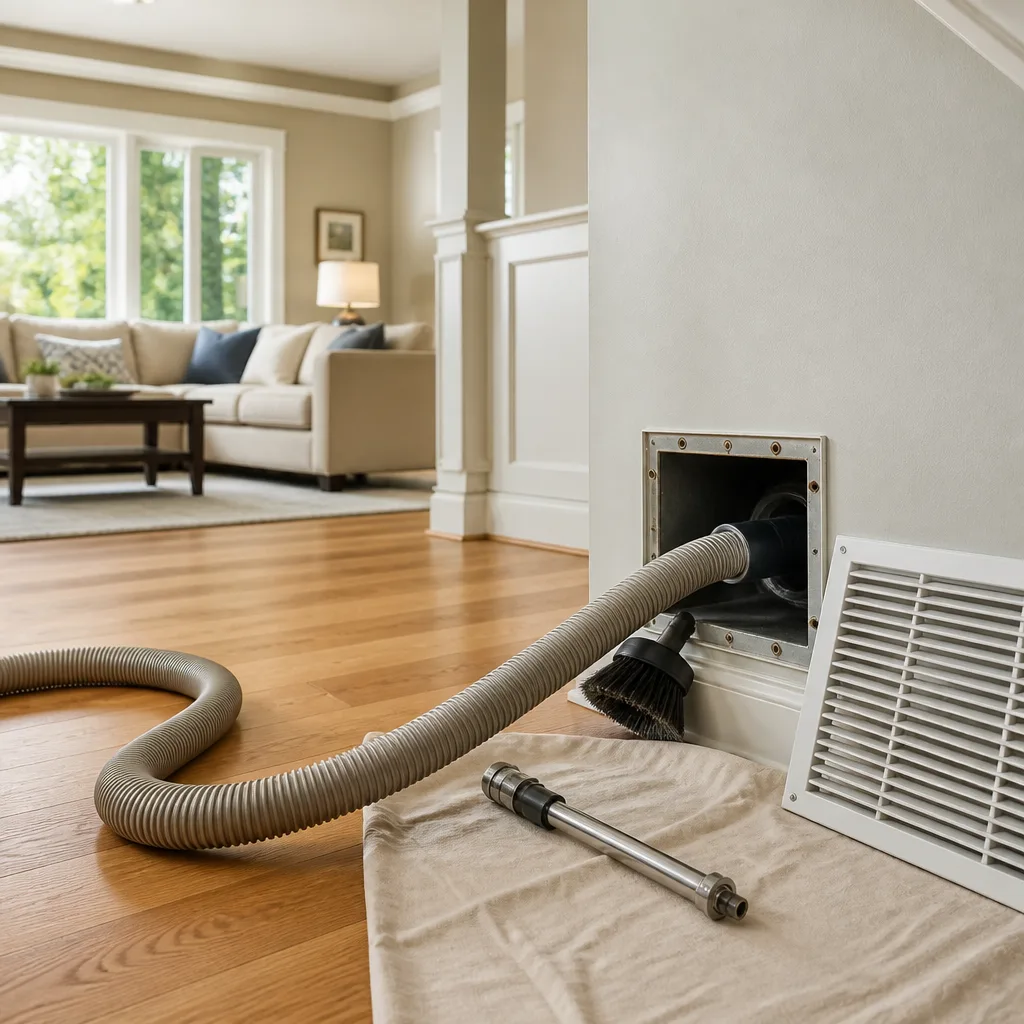 Whole-home duct cleaning
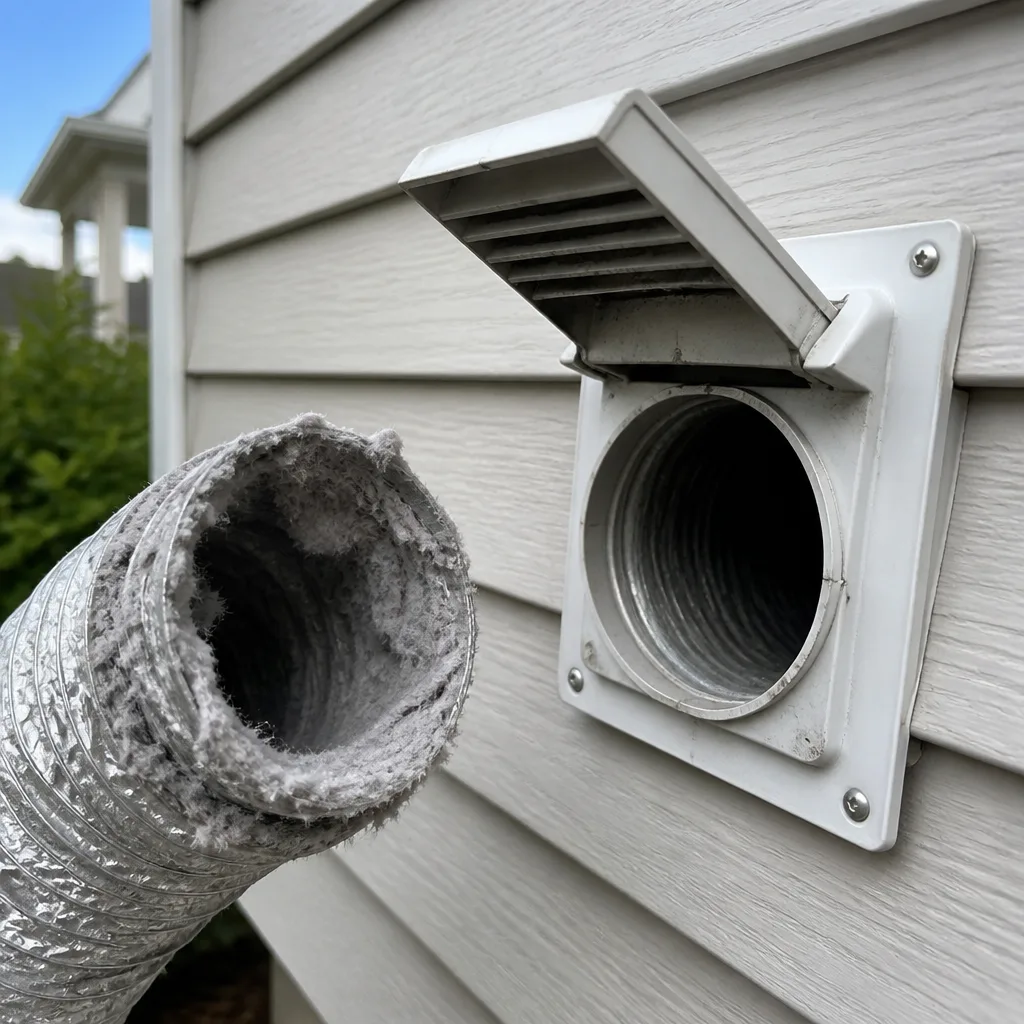 Dryer vent cleaning
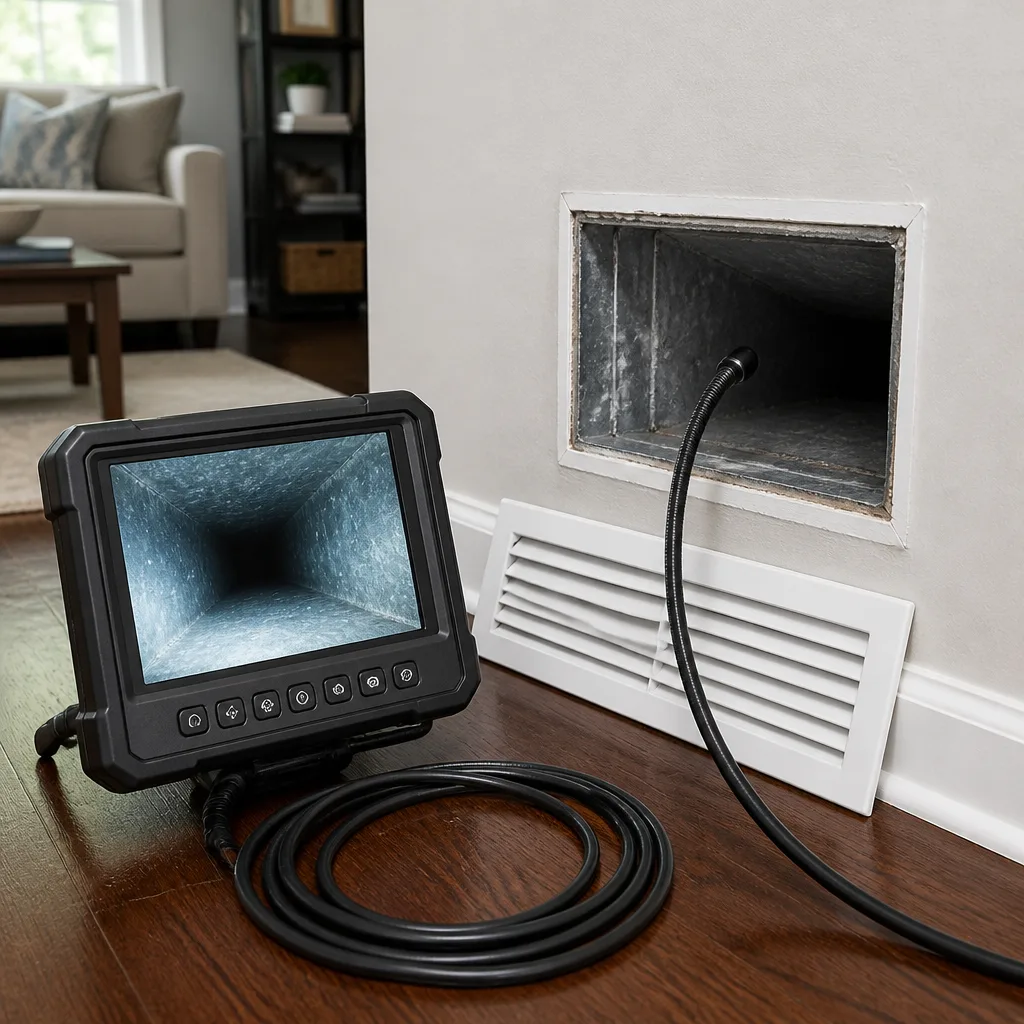 Camera inspection
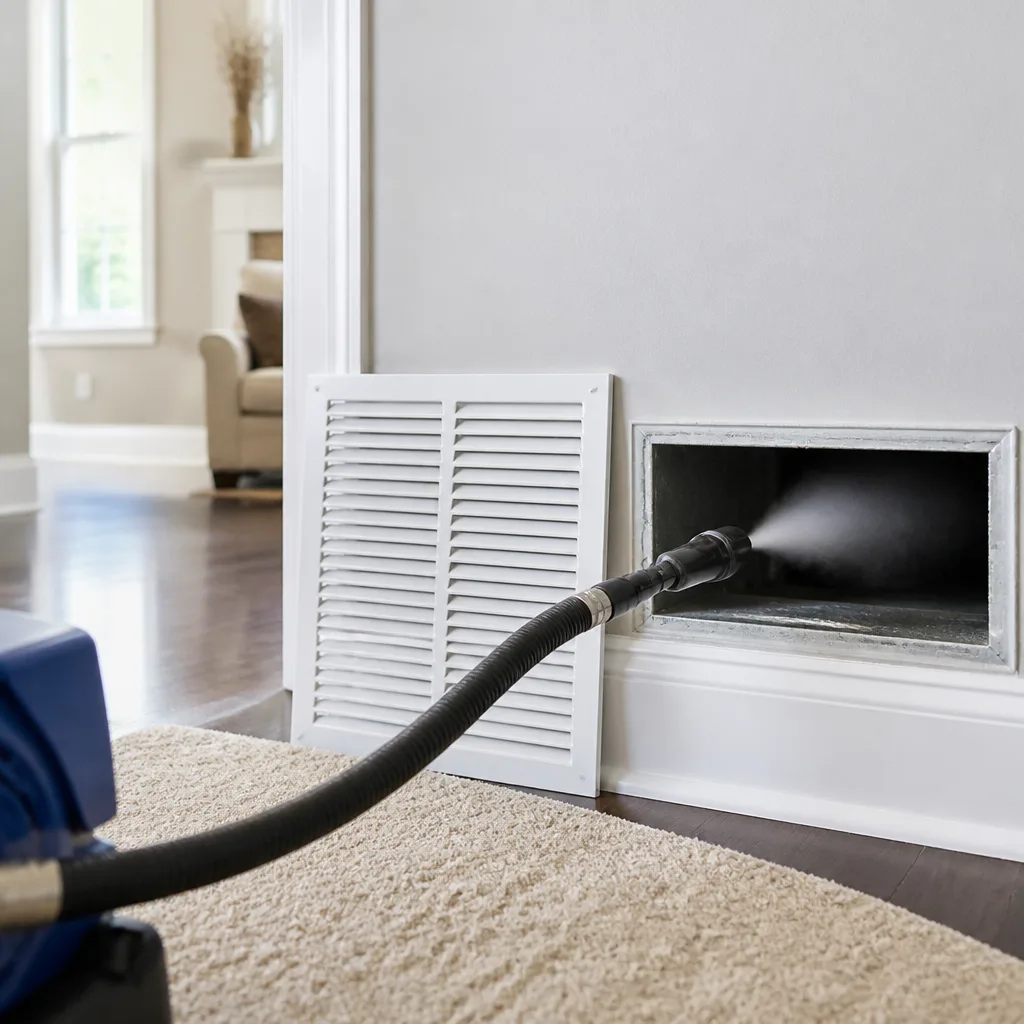 Sanitizing & deodorizing
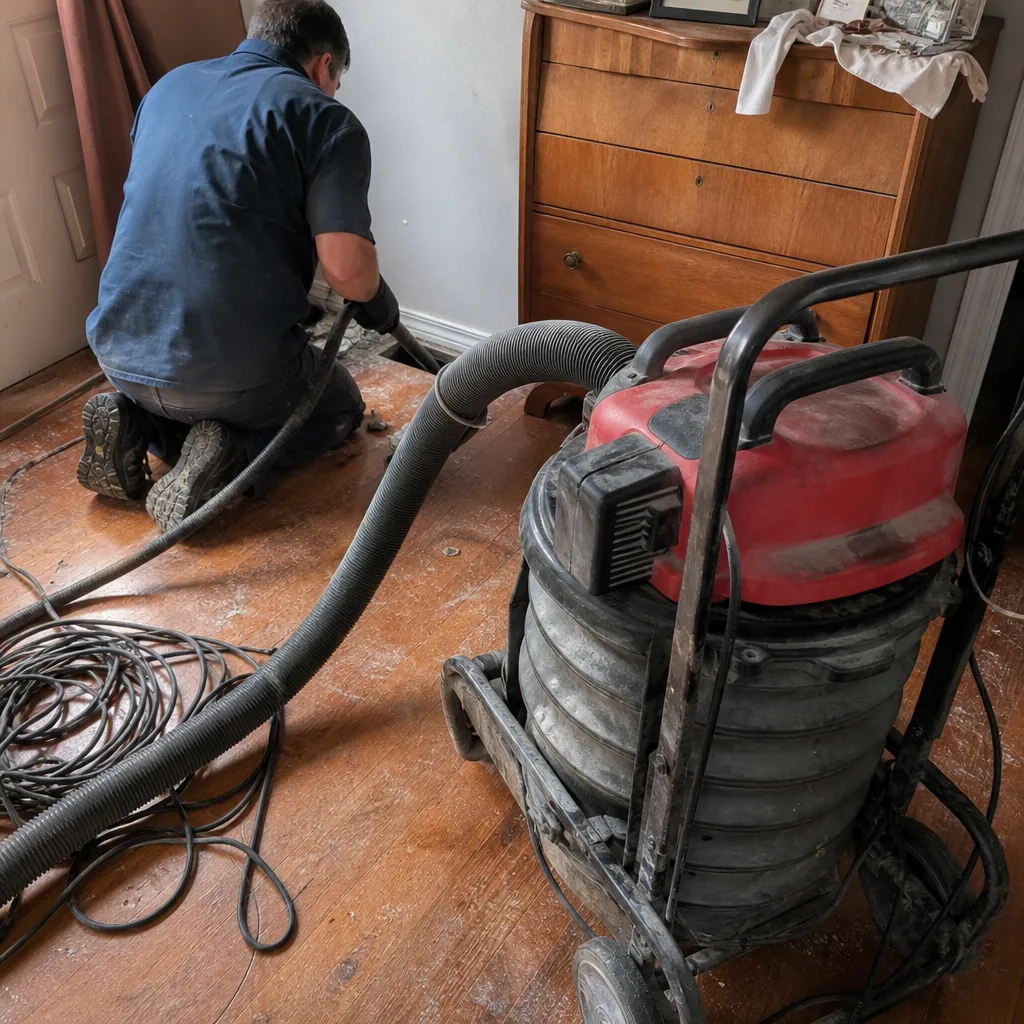
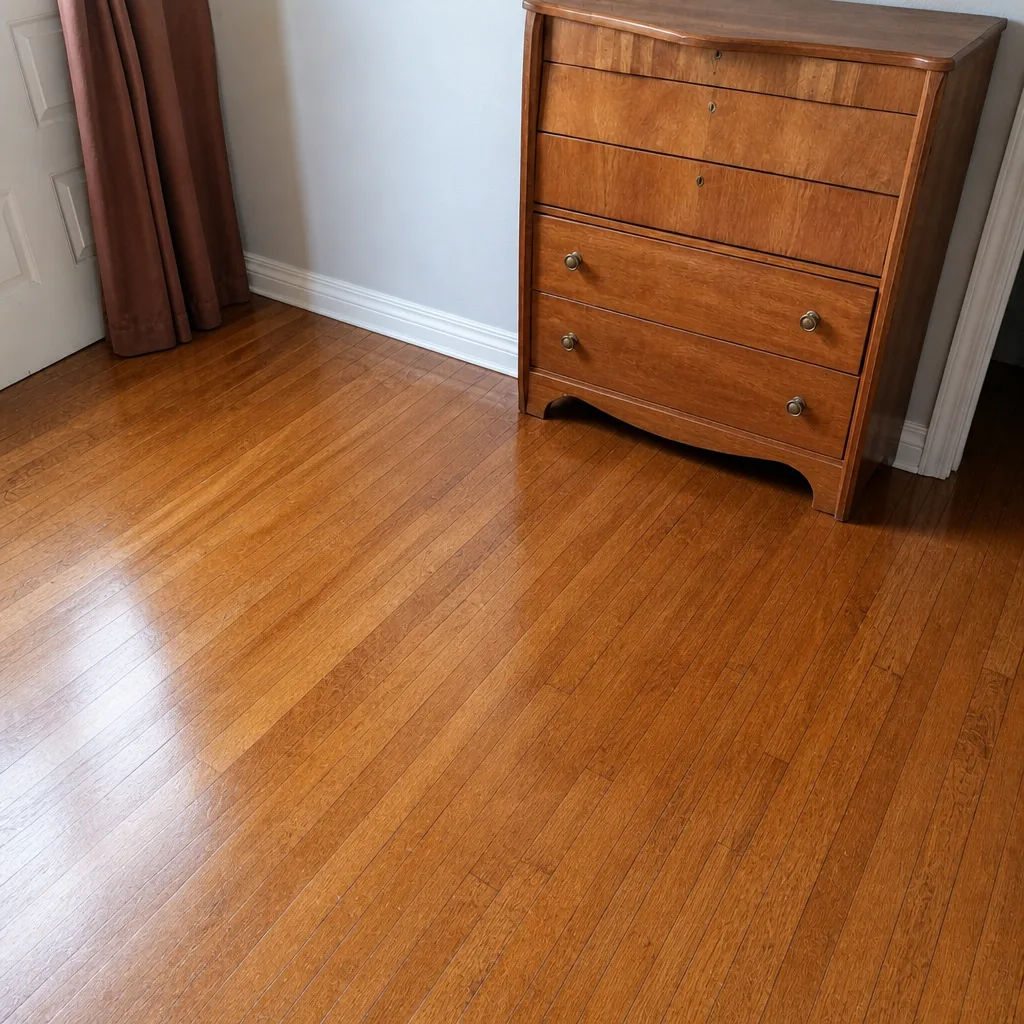
Whole-system duct and dryer vent check with before-and-after photos - you see exactly what came out of your vents
That "$99 whole-house special" is a bait ad - the real number appears once they are in your hallway, or the "clean" is a shop-vac at the register. We photograph the inside of your ducts before and after instead.
Choosing the Right Air Duct Cleaning Brand: A Buyer’s Guide for Wheat Ridge
When a contractor says they use “professional-grade equipment,” that phrase is meaningless without knowing whether it’s a Rotobrush, a Hypervac, a Nikro, or a shop-vac with a flex wand – the variance in cleaning capability between those options is not small. A machine that agitates debris loose and a machine that actually pulls it out of the system are two different machines, and plenty of operators run one without the other. The word “brand” gets thrown around loosely in this trade, but it matters in a narrower, more useful way than any marketing department intends. This guide is about reading that signal properly. We’ll walk through which equipment manufacturers run the industry, why the letters after a contractor’s name matter, and how a Wheat Ridge homeowner can look at an equipment list and know what they’re actually getting before the truck pulls up.
Quick Answer
The right air duct cleaning company in Wheat Ridge is the one using source-negative-pressure equipment paired with a mechanical agitation tool – not a shop vac, not a blower. Ask which machines they run, whether they hold NADCA ACR certification or just membership, and whether they can show you before-and-after photos of your own ductwork. A contractor with a real equipment list and a real standard stands out fast, because most of the field won’t have either one.
Styles & brands we work with
- Whole-home duct cleaning
- Dryer vent cleaning
- Camera inspection
- Sanitizing & deodorizing
Table of Contents
- The Equipment Manufacturers That Actually Matter
- Negative Pressure, Agitation, and Filtration: The Three Specs to Check
- NADCA Membership vs. NADCA ACR Certification
- How to Read a Contractor’s Equipment List
- National Franchises vs. Independent Contractors With Commercial Equipment
- What Handles Complex Systems: Multi-Zone, Fiberboard, Older Galvanized
- What Wheat Ridge Climate and Housing Stock Do to Ductwork
- Evaluating Quotes: What a Real Estimate Looks Like
The Equipment Manufacturers That Actually Matter
The professional-grade air duct cleaning equipment market is smaller than most people realize. There are maybe a half-dozen manufacturers whose names come up in serious conversations, and each one occupies a slightly different slot in the workflow. Knowing who builds what gives you a shortlist to test any contractor’s answer against.
Rotobrush is the name that shows up most often on residential jobs. The Rotobrush family (including the rotary brush and the pneumatic tools that run off it) has become standard because it’s a mechanical agitation system – a rotating brush head that loosens caked-on dust and debris from the inside of the duct wall while a vacuum pulls it away. It’s designed for the average residential trunk-and-branch layout, which is what most Wheat Ridge homes actually have.
Nikro makes industrial-grade vacuum systems and HEPA filtration rigs. Where a Rotobrush is about agitation inside the duct, a Nikro is about the air handling after the debris is loose. Negative pressure systems are where the difference shows up in a hurry – a shop-vac can pull a few hundred cubic feet per minute of air on a good day, while commercial negative-pressure units move many times that volume and hold it against leaks. That affects whether the debris actually leaves the system or migrates into the living space.
Abatement Technologies builds air filtration equipment that meets HEPA-level standards used in remediation and industrial settings. Those are the machines that trap what the vacuum pulls in and don’t just redistribute it back into the room. When a contractor talks about air quality and not just debris removal, that’s the equipment tier that backs it up.
Honeywell and Aprilaire sit on the air-quality side of the same conversation. Both make whole-home filtration, humidifiers, and air purification products that get installed alongside or after cleaning. Familiarity with those product lines means a contractor can talk about what the ducts connect to, not just what’s inside them.
What you should take away from this list: professional duct cleaning isn’t a single machine, it’s a stack. Agitation, extraction, filtration. When a company runs one of those and skips the other two, the job is incomplete regardless of what the invoice says.
Negative Pressure, Agitation, and Filtration: The Three Specs to Check
If you only ask three questions about a contractor’s equipment, ask about these three functions. Each one fails a job in a different way when it’s missing, and each one is verifiable with a straight answer from a serious operator.
- Negative pressure capacity. The vacuum system has to pull more air through the ductwork than leaks in around it. A strong negative-pressure unit keeps dust moving toward the collection point, not toward the closest loose seam. Very high-volume systems are usually rated in cubic feet per minute and should be paired with a seal-off at supply and return registers so the house doesn’t get drafted through its own ductwork.
- Mechanical agitation design. A vacuum alone can’t remove dust that has bonded to the duct wall. Rotating brush systems, compressed-air whips, and skipper balls each agitate differently. The right tool depends on duct type – fiberboard wants a gentler touch than galvanized steel. A contractor who runs only one agitation method is limited to a narrow band of systems.
- Filtration on the exhaust. The exhausted air from the vacuum should pass through HEPA-level filtration before it returns to the room. A machine that exhausts into the same room the ducts serve without that filter is doing half the job. Ask what filter grade the rig carries and how often it’s changed.
This is the difference between professional-grade equipment and big-box vacuums. A shop vac has agitation in the form of a user’s arm and filtration measured in microns you could count on two hands. There’s no scenario where that meets the standard for a whole-house duct cleaning, but it does happen, and consumers rarely find out until after the fact.
Our technicians have up to 10 years of experience running equipment at this tier, which is why we can tell you plainly: agitation, extraction, filtration. All three or the job doesn’t count.
NADCA Membership vs. NADCA ACR Certification
The National Air Duct Cleaners Association (NADCA) is the trade body that sets cleaning standards in this industry. It publishes ACR – the Assessment, Cleaning, and Restoration standard – which defines what a source-removal cleaning actually involves. That standard is the benchmark serious contractors work against, and it’s what inspectors and industrial hygienists reference when they’re evaluating duct conditions.
Here’s where it gets confusing for homeowners. NADCA offers two distinct relationships with the trade:
- Membership is a dues-paying relationship. A company pays an annual fee, gets access to resources and industry publications, and can list itself in the member directory. It signals interest in the trade. It does not certify that anyone on staff knows the ACR standard or has been tested on it.
- ACR Certification is a credential earned by demonstrating knowledge of the assessment, cleaning, and restoration process. Individual technicians or companies can pursue it, and it’s usually accompanied by continuing education requirements. When a tech is ACR-certified, they can explain the standard they’re cleaning to and why certain steps happen in a certain order.
Both are worth knowing. Neither one is required by any law in Colorado, and neither one guarantees a good result. What certification does tell you is that the company has made a specific investment in the standard rather than just in a membership sticker on the truck door. If a Wheat Ridge contractor is ACR-certified and runs the right equipment, the combination is much stronger than either alone.
Ask the question directly: “Are you NADCA members, and is anyone on the crew ACR-certified?” A serious operator answers without pause. A sales-driven one pivots to pricing.
How to Read a Contractor’s Equipment List
An equipment list is more informative than a sales pitch because it’s harder to fake – and easy to test. When a Wheat Ridge company lists what it runs, use the following method to read it as a capability statement rather than marketing copy.
- Count the machines. Minimum equipment for a whole-home residential clean: an agitation tool, a high-volume vacuum, and a HEPA filter. If a company mentions only one item, they’re not describing a full system.
- Name the manufacturers. Rotobrush, Nikro, Abatement Technologies, Hypervac – these are real brands in this trade. If the list is all generic (“professional equipment,” “commercial vacuums”), there’s no list, just a claim.
- Ask about the agitation method. Brush, air whip, or skipper ball? The answer should match your duct material. Fiberboard duct should never get a stiff rotary brush; older galvanized trunk lines tolerate one well. If the contractor doesn’t ask what type of duct you have before quoting, that’s a signal.
- Look for air-quality equipment. Honeywell and Aprilaire product familiarity tells you the contractor thinks past debris into what the ducts actually serve. Adding sanitizing or filtration media to the job after cleaning is one more step that separates a full-system specialist from a vacuum operator.
- Check for repair and sealing capability. Cleaning only pulls debris out. Cleaning plus repair and sealing closes the gaps that let dust and air back in. We seal the gaps, not just sweep the surface, and a serious competitor does the same. If the equipment list mentions nothing about sealing, ask whether that’s a service they offer at all.
A company that shows this level of detail on its own site is generally worth calling. One that can answer all five questions on the phone before they arrive is worth hiring. The ability to name the equipment is a proxy for the ability to know what it does, and in this trade that’s a reliable one.
National Franchises vs. Independent Contractors With Commercial Equipment
National franchise duct cleaning companies tend to sell a consistent experience: branded vans, captive pricing, phone-line booking, and a cleaning delivered to a prescribed checklist. That works for some homeowners, particularly property managers who want the same outcome every time. The tradeoff is that the equipment on those trucks is often mid-tier, and the technician has limited time per call because the franchise model is built around volume.
Independent contractors with commercial equipment run a different playbook. Equipment can vary as much as the contractor’s standards – some independents invest heavily in the machines and certifications, some don’t. The advantage is that you can evaluate them directly. There’s no corporate call center between you and the crew; you talk to the operator who runs the equipment and can tell you exactly what’s going into your ducts.
A straight comparison of the two:
- Franchise pros: consistent booking, standardized procedures, wide coverage area. Cons: mid-tier equipment, techs rotated through, less flexibility on jobs that don’t fit a checklist.
- Independent pros: direct access to the operator, equipment investment often higher per tech, custom approach to complex systems. Cons: variable quality across the field – some run commercial rigs, some run glorified shop vacs.
For a Wheat Ridge homeowner, the practical answer is to use brand recognition as a screen and equipment quality as the decider. When you call us about air duct cleaning, you’re talking to the team that runs the equipment, not a booking agent. That’s the difference that makes the equipment-list question you’re going to ask actually produce a straight answer.
What Handles Complex Systems: Multi-Zone, Fiberboard, Older Galvanized
Not every duct system in Wheat Ridge is a simple trunk-and-branch layout. The neighborhoods around Wheat Ridge – Wheat Ridge Manor, Fruitdale, and the older streets near the ward road corridors – include a mix of mid-century homes with original galvanized ductwork, homes that were retrofitted with fiberboard, and newer properties with multi-zone systems tied to two or three thermostats. Each of those wants a different approach.
Here’s what separates a contractor who can handle those from one who can’t:
- Multi-zone systems. If the house has multiple thermostats, the duct system likely has dampers and zone controls that need to be verified during cleaning rather than just worked around. A contractor running a single-zone rig has to duct-tape their way into a zoned system, and that’s rarely clean.
- Fiberboard duct. Fiberboard (sometimes called duct board) is a rigid insulation product that’s used for trunk lines and plenums. It’s soft, and it damages easily if you hit it with a rotary brush at the wrong speed. Contractors with the right equipment switch to an air whip or a soft brush head.
- Older galvanized trunk lines. Decades of settling can leave seams separated and registers leaking. Cleaning without sealing leaves the system about as leaky as it started. Our duct repair and sealing service exists specifically for this – clean it, then close the gaps. HVAC cleaning goes hand in hand here too, because a dirty evaporator coil reintroduces debris back into the ducts you just cleaned.
- Ductwork with prior damage or repairs. Homeowners sometimes patch ductwork with foil tape, mastic, or – in the worst cases – something that shouldn’t be inside a duct system at all. Inspecting and, where necessary, repairing the duct before cleaning is the sequence.
Any contractor with a single-tool kit shows up limited. A contractor with agitation choices, HEPA filtration, and duct repair capability in the same service scope can adapt on-site. If your system is anything other than a straightforward residential layout, ask about multi-zone and fiberboard experience specifically. The answer separates the field quickly.
What Wheat Ridge Climate and Housing Stock Do to Ductwork
Wheat Ridge sits on the eastern edge of the Front Range, and that geography leaves a specific fingerprint on ductwork. The area swings through wide temperature ranges across the year – hot summer days that push the air conditioner hard, cold winter nights that run the furnace heavily – and the duct system expands, contracts, and cycles all year. That cycling is what loosens seams, warms up the aging sealant on older joints, and pulls dust into the system.
The dry air matters, too. Our part of Colorado runs on the dry side, and that affects how dust behaves inside the duct – it stays loose and migrates longer than it would in a humid climate. It also means homeowners here tend to notice dust on shelves and surfaces as much as they notice dust in the register grilles. That’s a duct and filtration problem more than a cleaning problem, which is why a serious contractor will talk about HVAC cleaning and filtration media right alongside the duct work itself.
Housing stock plays a role as well. A lot of Wheat Ridge homes sit in that wide band of mid-century construction, built before duct design became standardized. Original galvanized trunk lines, retrofit fiberboard, and additions that were tied into existing systems without additional return air all show up in the same house. If you’ve ever wondered why your back bedroom is always stuffy, it’s probably a return-air problem, not a cleaning problem – and the contractor with the diagnostic equipment will say so.
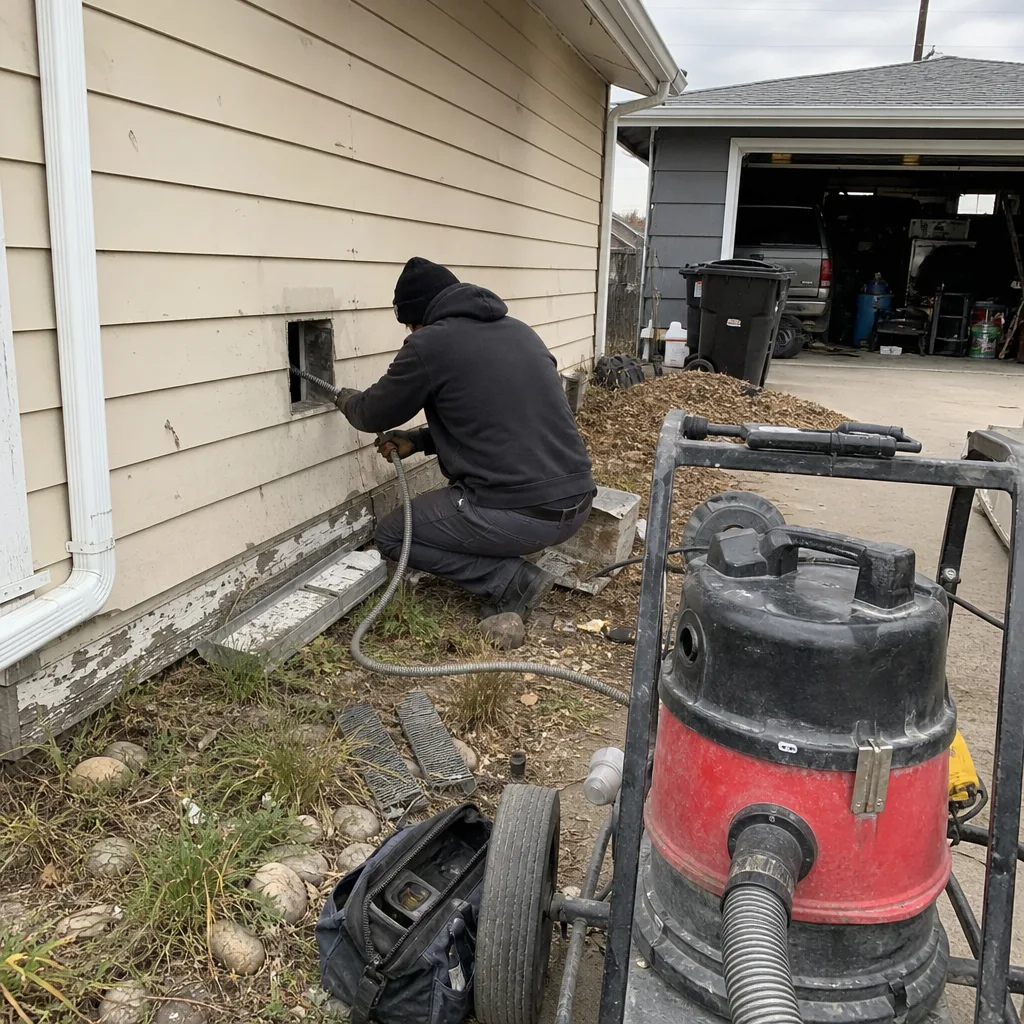
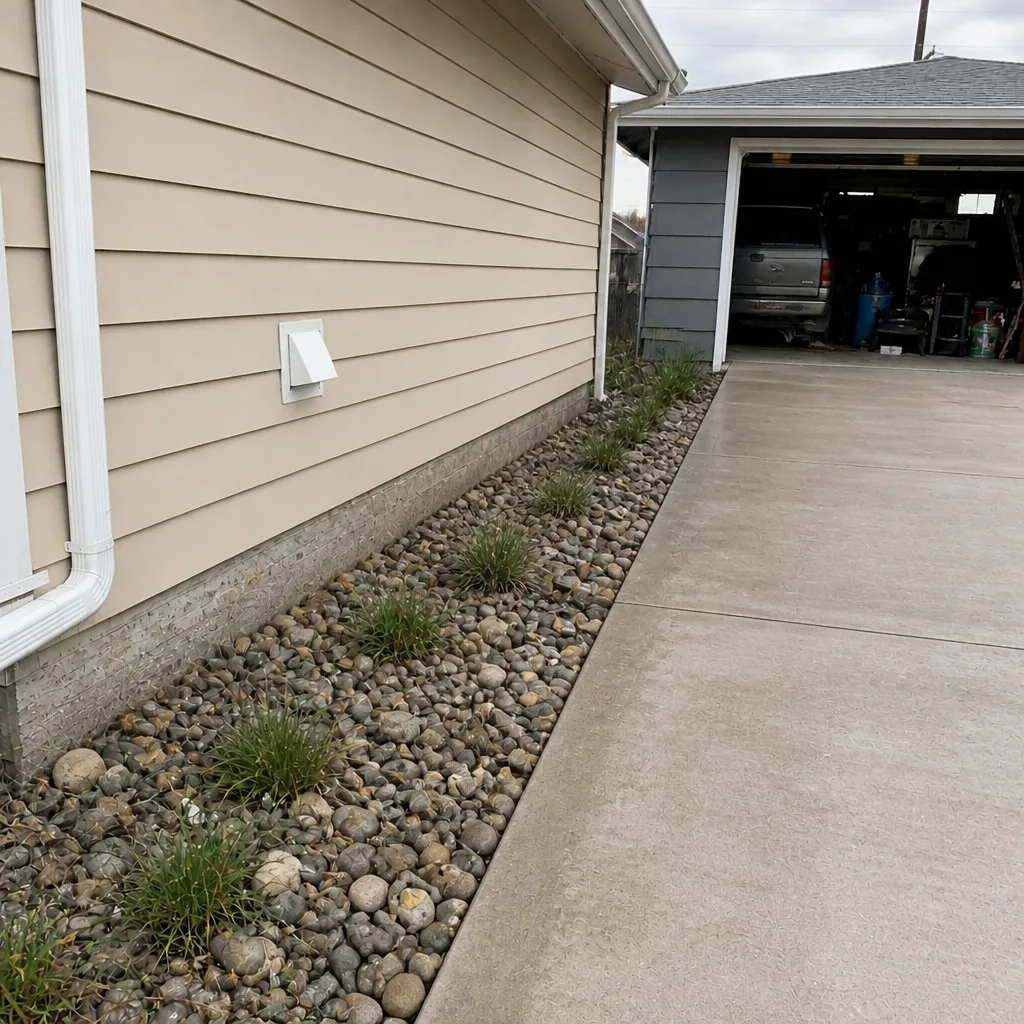
Dryer vent cleaning is often overlooked in this same conversation. It’s a core service here because the lint path is a fire risk, and the same climate conditions that dry out duct sealant dry out the flexible vent hose behind the dryer. When you book dryer vent cleaning, we treat it as a safety inspection as much as a cleaning, because that’s the job.
Evaluating Quotes: What a Real Estimate Looks Like
The single most consistent frustration homeowners bring up about this industry is the bait-and-switch quote: a low number on the phone or in a coupon that becomes a much larger invoice once the tech is on-site. There’s a way to screen for that before it happens.
A real estimate in Wheat Ridge has these characteristics:
- It’s per system, not per vent. Per-vent pricing is how low-ball quotes get their foot in the door. Every vent gets a small line item, the total balloons, and suddenly a “39-dollar clean” is a several-hundred-dollar job. A whole-system price is set before work starts and doesn’t move if the technician finds four more vents than expected.
- It’s written down and agreed before the work begins. Not “we’ll finalize when we’re there.” The number the customer hears on the phone or sees on the estimate is the number on the invoice.
- It includes what the system actually holds. Duct cleaning, HVAC cleaning, filtration, and any sanitizing or air quality components should all be visible in the scope.
- It comes with before-and-after photos of your own ducts. Most companies promise this. Ask to see them at the end of the job if the tech doesn’t offer.
- It’s honest about what doesn’t need doing. A duct system that was cleaned recently and hasn’t been through a renovation usually doesn’t need cleaning again just because a coupon showed up. A serious contractor tells you that.
Reading a quote through this lens does more than protect you from a bad price. It reveals whether the company is treating you as a repeat customer or a one-time sale. The bid that shows its work is the one worth calling back.
Common Mistakes to Avoid
- Choosing on price alone. The lowest quote is almost always a machine that can’t move the debris. It’s cheaper because the equipment costs less and the job takes an hour. Wheat Ridge homeowners end up paying twice when the ducts still need cleaning.
- Confusing NADCA membership with certification. Membership means a paid dues relationship. ACR certification means a tested standard. Ask which one applies, and listen to whether the answer is clear or evasive.
- Skipping the equipment question entirely. If you don’t ask what machines they run, you can end up with a shop-vac and a flex wand, and never know until you see the before-and-after photos. Or, more commonly, don’t see them.
- Taking a per-vent price. Per-vent pricing is a teaser structure, not an estimate. A whole-system price agreed before the work starts is the standard here, and a contractor that won’t quote that way is telling you something.
- Ignoring the repair and sealing side. Cleaning ducts without sealing the leaks leaves the system adding dust back into the house through the same loose seams. Ask whether repair and sealing are part of the scope, or a separate call.
- Overlooking the dryer vent. The dryer vent is not a duct cleaning job, but it’s the same kind of safety check. Lint accumulation is the leading co-conspirator in residential dryer fires, and it sits in the same category of “out of sight, out of mind.”
- Hiring without before-and-after photos. If a cleaning company can’t show you what your ducts looked like before and after, there’s no way to know what was actually done. This is the most easily verified piece of the entire transaction – and the one most likely to be skipped.
See the difference
 Before
 After
 Before
 After
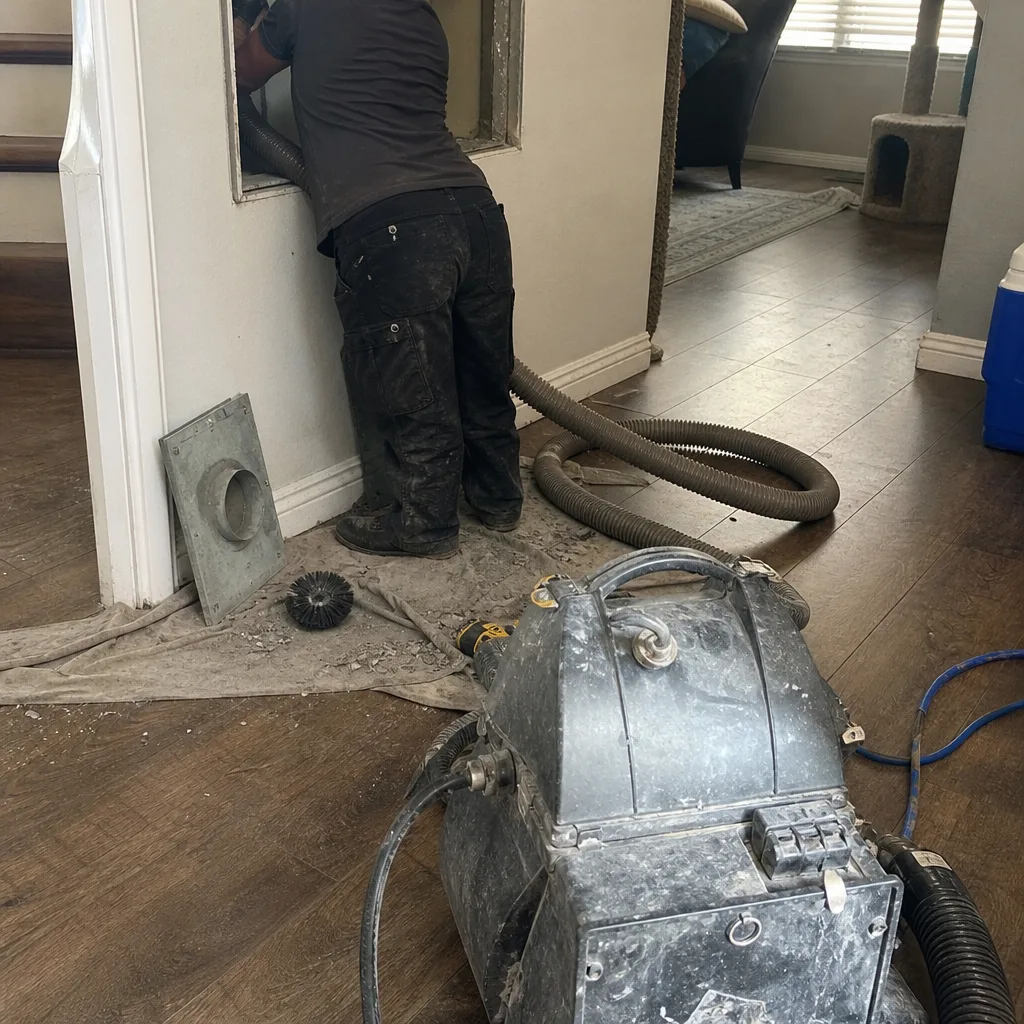 Before
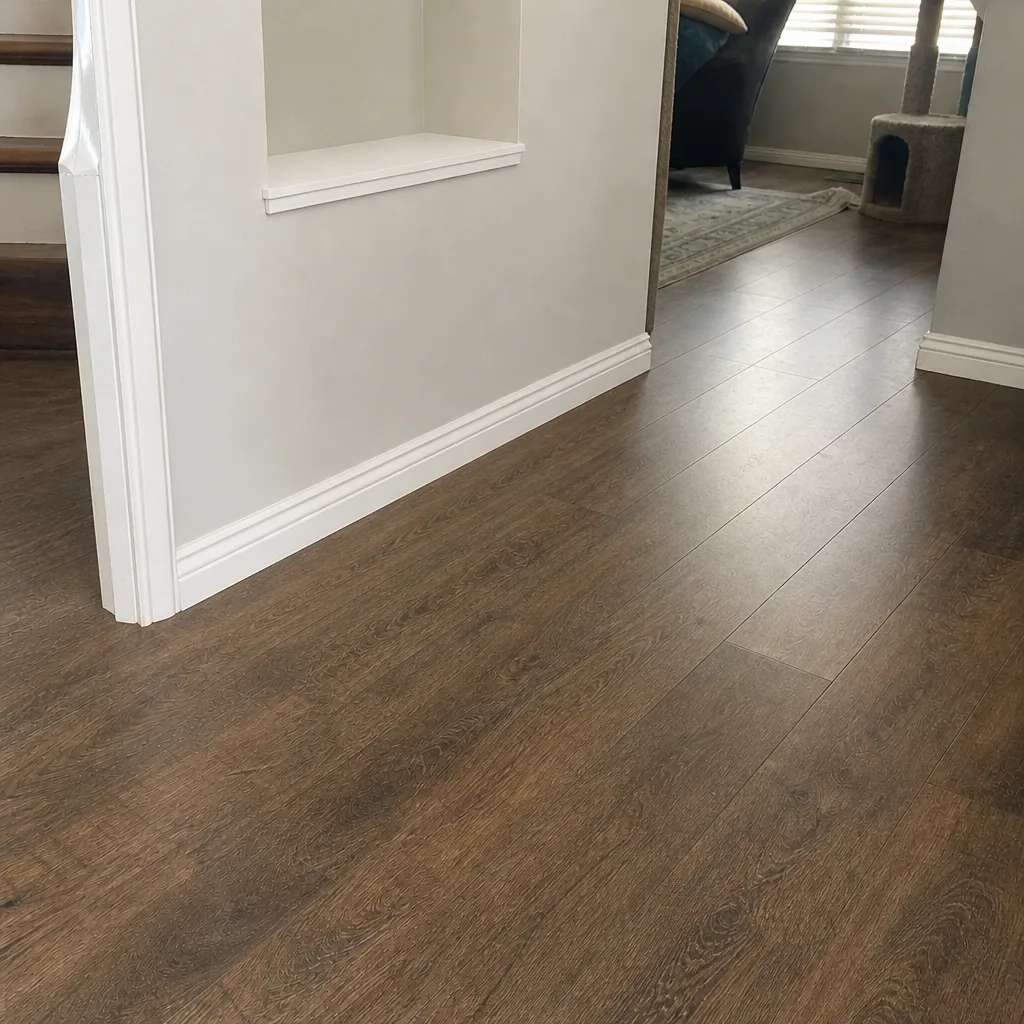 After
When to Call a Professional
Some cleaning decisions are easy: if the ducts were cleaned within the last few years and the HVAC system hasn’t been through a renovation, you can probably wait. Others are clearer. If you’ve just finished a remodel and the ducts have been open to drywall dust, that’s not a wait-and-see situation – construction dust settles into the system and stays there. If a new baby or a family member with allergies is moving in, the return on a full-system clean is real. If the furnace or air handler is running harder than it used to, or you notice dust reappearing on the register grilles within days of wiping them down, that’s a duct and filtration question, not a dusting question. Wheat Ridge Air Duct Cleaning offers free estimates in Wheat Ridge – call (855) 550-7950. We answer 24/7. Fast dispatch from 7am to 7pm, Sunday through Friday.
Frequently Asked Questions
Air duct cleaning in Wheat Ridge is priced per system, not per vent, and the exact number depends on the size of the system, the number of zones, and whether cleaning includes HVAC cleaning, sanitizing, or duct repair. We give one flat price per system after reviewing the system, and the written estimate sets the final price. We don’t quote per-vent prices because they always move once the tech is on-site. Call (855) 550-7950 for an exact quote – estimates are free.
Cheap quotes usually come from cheaper equipment – a shop vac instead of a commercial negative-pressure unit, no HEPA filtration on the exhaust, and no mechanical agitation. The cleaning takes less time, leaves more debris in the system, and the contractor relies on volume to make the numbers work. A quote that pays for the equipment to do the job properly will be higher, but the job gets done once. Call (855) 550-7950 and we’ll explain what’s in our scope before you decide.
Ask for before-and-after photos of your own ducts, not a stock gallery from the company’s website. A contractor with proper equipment and a documented process can show you the register runs and the trunk line before and after cleaning. If a contractor can’t put that together, that’s the answer. Our team takes photos on every job – call (855) 550-7950 to book a free estimate.
Most residential duct systems don’t need cleaning on a fixed calendar schedule. The real triggers are renovations that introduce construction dust, a system that hasn’t been cleaned since it was built, visible debris in the registers, or occupants with allergies or respiratory concerns. If none of those apply and the ducts were cleaned recently, you can wait. Call (855) 550-7950 and we’ll tell you plainly whether you need a cleaning.
No. There’s no state or local requirement in Colorado that duct cleaning contractors be NADCA-certified, and membership in the association is voluntary. The certification means a technician has tested against the ACR standard and understands the assessment, cleaning, and restoration process. It’s a strong signal of a contractor’s standard, but it’s not a legal gate – so it makes sense to check both certification and equipment on your own. Call (855) 550-7950 to ask about our setup.
Yes – older galvanized trunk lines are one of the systems professional equipment is best suited for. The rigid metal accepts rotary brush agitation without damage, and the cleaning typically turns up decades of accumulated dust and debris once the seams are opened up. The catch is that older ducts often need repair or sealing after cleaning because the seams have loosened. We do both under one service scope. Call (855) 550-7950 to schedule a free estimate.
The Bottom Line
Brand in air duct cleaning is the equipment stack and the standards the contractor claims to follow, not the logo on the truck. The three questions that matter most: what machines they run, whether they’re ACR-certified or just NADCA members, and whether they’ll put a whole-system price in writing before work starts. Add a fourth – do they offer repair and sealing alongside the cleaning, so the ducts stay clean once they’re done? If you want straight answers to all four in Wheat Ridge, our team answers them on the phone before the estimate. One call covers it all, with Wheat Ridge Air Duct Cleaning as your starting point. Call (855) 550-7950 to schedule a free estimate. We answer 24/7. Fast dispatch from 7am to 7pm, Sunday through Friday.
Written by the team at Wheat Ridge Air Duct Cleaning.