
Last updated November 25, 2026
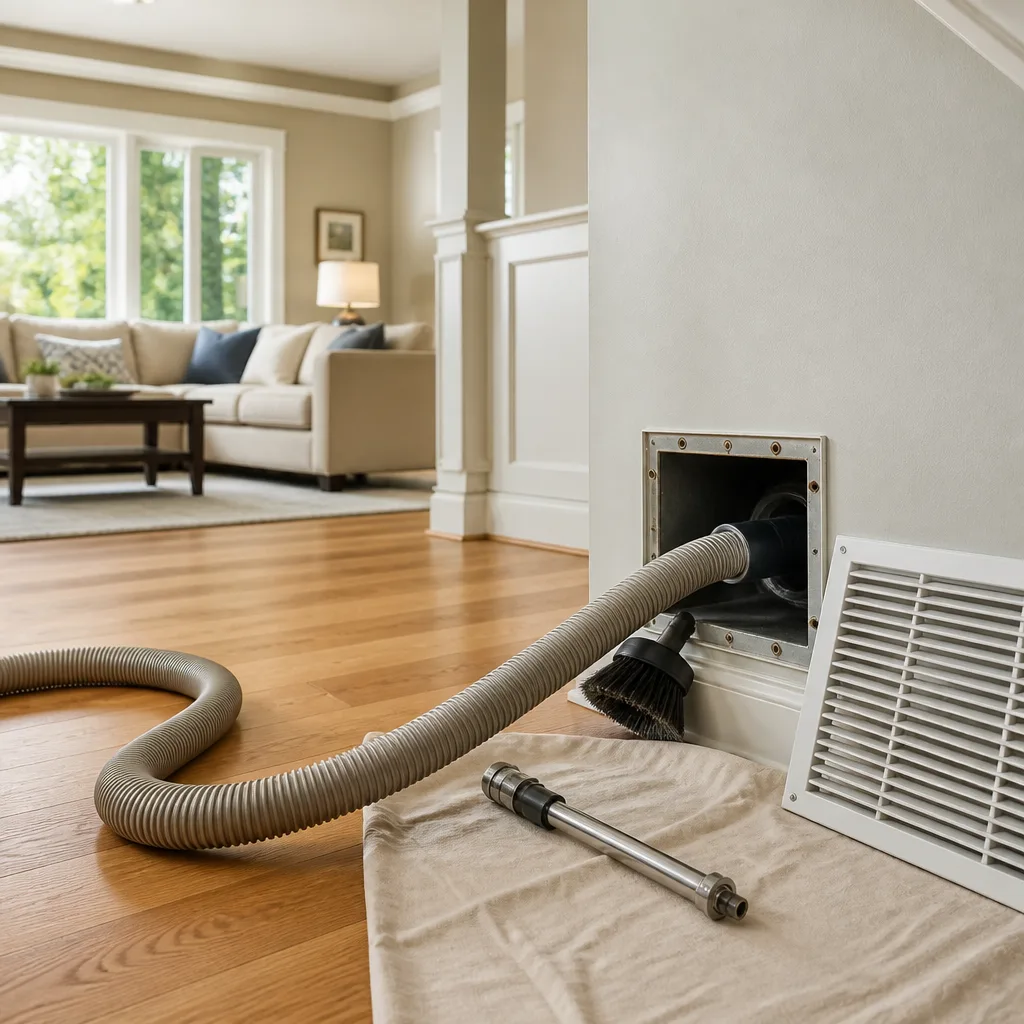 Whole-home duct cleaning
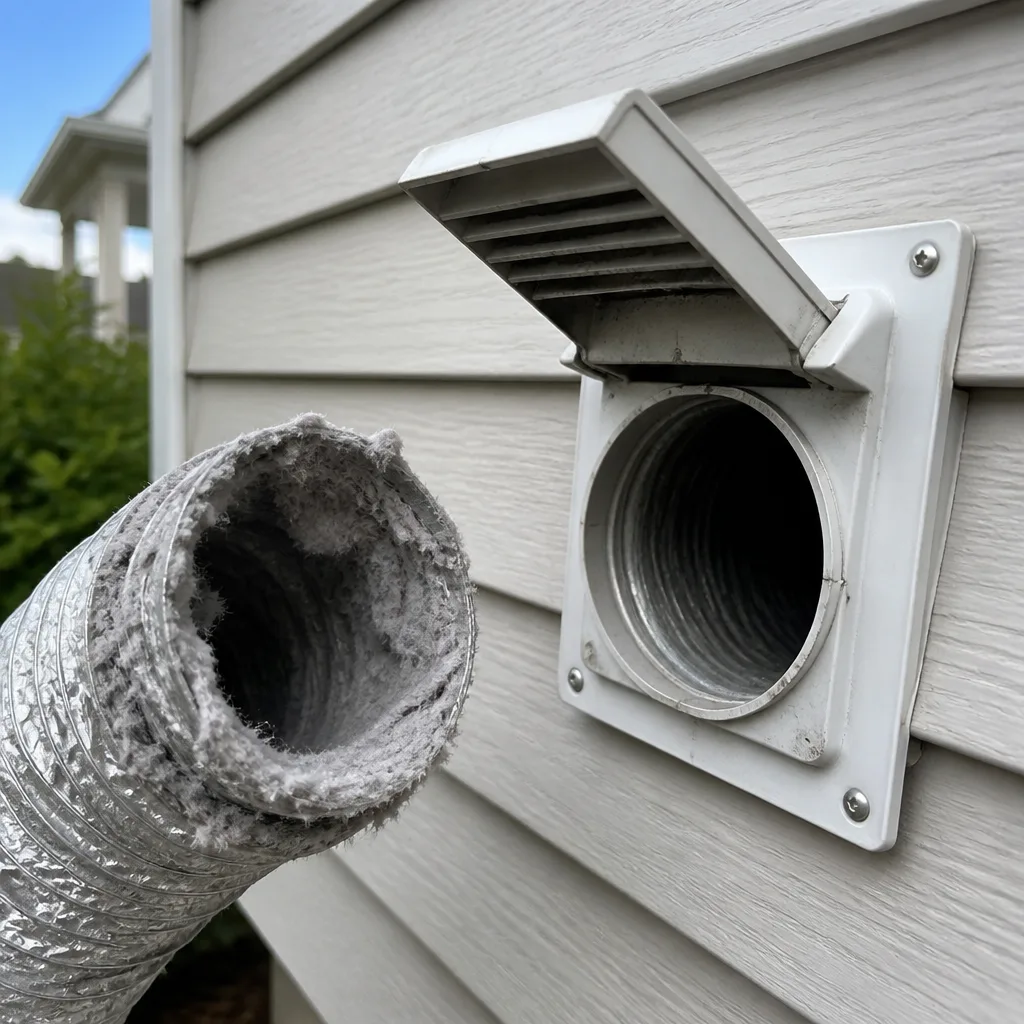 Dryer vent cleaning
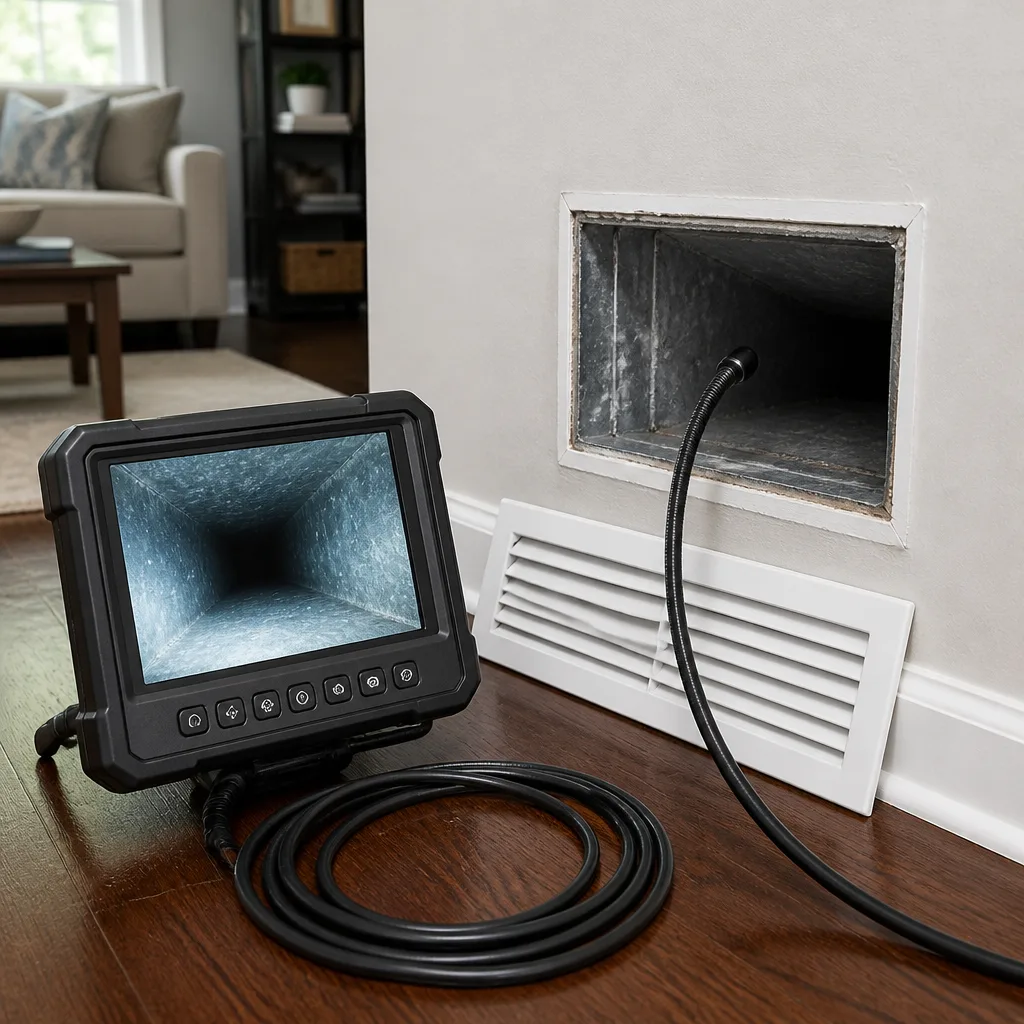 Camera inspection
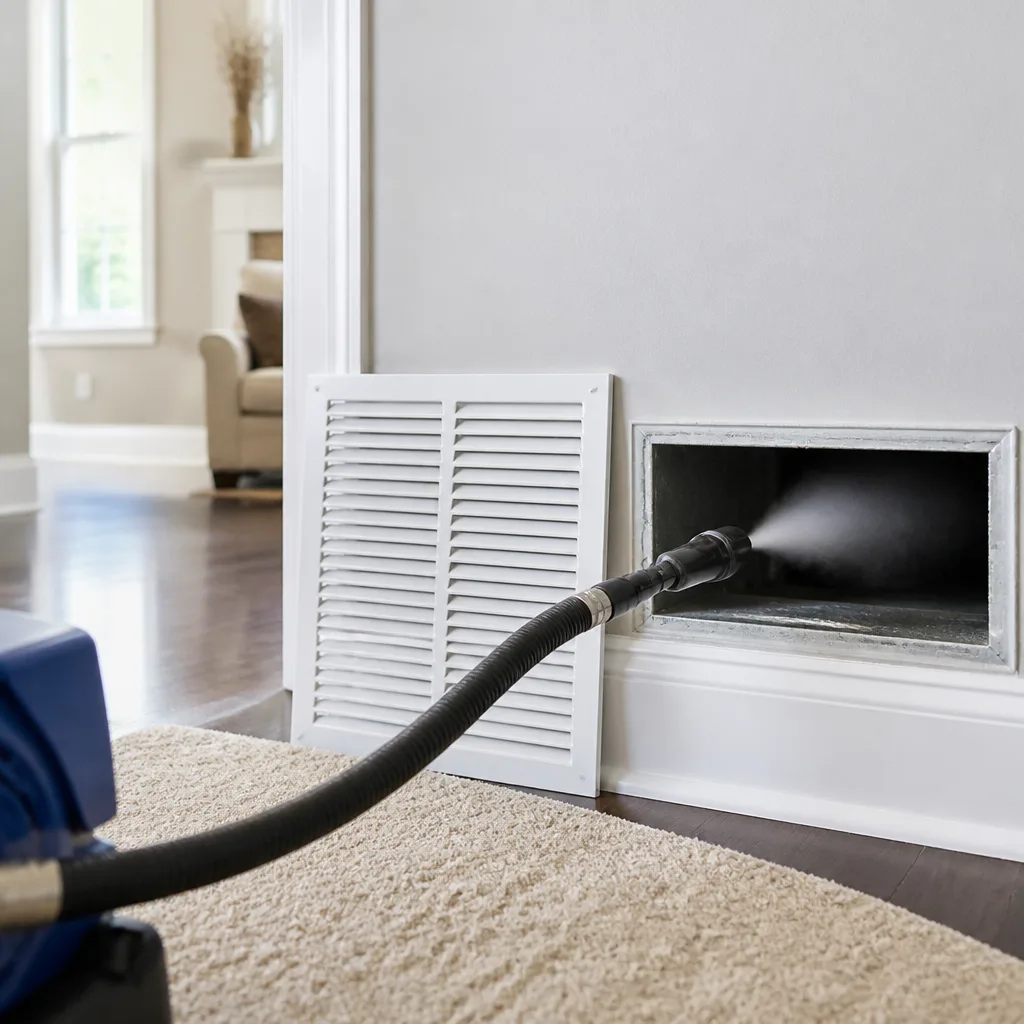 Sanitizing & deodorizing
Whole-system duct and dryer vent check with before-and-after photos - you see exactly what came out of your vents
That "$99 whole-house special" is a bait ad - the real number appears once they are in your hallway, or the "clean" is a shop-vac at the register. We photograph the inside of your ducts before and after instead.
The Complete Guide to Air Duct Cleaning in Wheat Ridge
A truck-mounted vacuum and a rotating brush are only two of the tools a full duct cleaning should require. If that’s all your contractor shows up with, half the system isn’t getting touched. That’s the part most people never hear about. Duct cleaning isn’t a single act; it’s a sequence of inspection, mechanical agitation, negative-pressure removal, and verification, and each step exists because the one before it can’t do the whole job alone. In Wheat Ridge, where the housing stock runs from mid-century ranches to newer builds near the Jefferson County line, the duct material itself decides which tools and methods are even appropriate. This guide walks the full workflow so you know exactly what a legitimate job looks like, from the first camera inspection to the final airflow check.
Quick Answer
Professional air duct cleaning in Wheat Ridge is a multi-stage process: a pre-cleaning inspection to identify duct material and contamination, source-removal cleaning using negative pressure and mechanical agitation, and post-cleaning verification through airflow testing and visual checks at the registers. The method changes with the duct type: sheet metal tolerates rotating brushes and high-pressure air, flex duct needs gentler tools that won’t tear the liner, and fiberboard requires controlled agitation to avoid shedding. A job that skips inspection or verification isn’t a complete cleaning, regardless of how much debris comes out.
Styles & brands we work with
- Whole-home duct cleaning
- Dryer vent cleaning
- Camera inspection
- Sanitizing & deodorizing
Table of Contents
- How Wheat Ridge’s Housing Stock Shapes the Cleaning Method
- Duct Materials in Wheat Ridge and What Each One Tolerates
- Source-Removal Cleaning vs. Blow-and-Go Service
- Why the Pre-Cleaning Inspection Comes First
- The Full Diagnostic-to-Verify Workflow
- Post-Cleaning Verification: Proof the Work Was Done
- Add-On Services: When Sanitizing and Sealing Are Actually Warranted
- Common Mistakes to Avoid
- When to Call a Professional
How Wheat Ridge’s Housing Stock Shapes the Cleaning Method
Wheat Ridge isn’t a single housing market. Drive from one end of the city to the other and you’ll pass mid-century ranch homes with original sheet metal trunk lines, 1990s subdivisions with long flex runs, and newer construction near the Jefferson County edge where builders mixed flex and rigid duct in the same system. Each of those systems collects contamination differently and responds to different tools.
Mid-century builds often have short, wide trunk-and-branch layouts with fewer turns. That geometry cleans well with mechanical agitation because the brush can travel the full run. The tradeoff is that fifty-plus years of use means joints may have loosened, and loose joints leak conditioned air into attics and crawlspaces. Cleaning without checking those seams just moves dust around a leaky system.
Flex duct, common in homes built from the 1980s onward, has a plastic inner liner stretched over a wire helix. It’s efficient and cheap to install, but the liner tears easily under aggressive brushing. A technician who treats flex like sheet metal will leave rips that collect debris faster than before the cleaning started.
Newer construction brings its own issue: construction dust. Drywall dust, sawdust, and drywall mud particles settle into every duct during a build or remodel, and standard filters don’t capture them before they coat the inside of the system. Post-renovation cleaning in Wheat Ridge is a different job from routine maintenance because the contaminant load is mineral dust, not household debris, and it needs negative-pressure capture rather than a quick vacuum.
Our technicians have up to 10 years of experience reading these differences on sight, and the inspection step exists so the cleaning method matches the system rather than defaulting to whatever tool is already on the truck.
Duct Materials in Wheat Ridge and What Each One Tolerates
The single biggest determinant of a safe, effective cleaning is duct material. Three types dominate residential systems in Wheat Ridge, and each demands a different approach.
Sheet Metal
Galvanized sheet metal is the most forgiving material. It handles rotating brush systems and high-velocity air without damage. This is where professional-grade mechanical cleaning, like a Rotobrush system, does its best work: the brush scrubs the walls while negative pressure pulls loosened debris out of the system instead of into the room. Seams and joints should be inspected afterward for gaps that let air escape.
Flex Duct
Flex duct is the material most often damaged by careless cleaning. Its inner liner is thin, and aggressive agitation can cause it to delaminate or tear. The right approach uses gentler agitation and relies more on negative pressure to lift debris without abrading the liner. If a technician can’t tell you what material your ducts are made of before starting, that’s a warning sign.
Fiberboard Duct
Fiberboard, sometimes called duct board, is rigid and insulated. It’s common in older and some newer builds for return-air runs. Fiberboard can shed particles if scrubbed too hard, so cleaning needs controlled agitation and careful pressure. A compromised fiberboard duct often needs sealing or replacement rather than another round of cleaning, which is why duct repair and sealing belongs in the same conversation as cleaning.
If your home has a mix of materials, as many Wheat Ridge homes do, the technician should be adjusting tools per run, not applying one method to the whole system.
Source-Removal Cleaning vs. Blow-and-Go Service
There are two very different things sold as “duct cleaning.” One removes the contamination from the system. The other stirs it up and leaves it. The industry standard for a legitimate job is source-removal cleaning: all contaminants are dislodged from interior surfaces and then captured and removed through negative pressure, so the system comes out cleaner than it went in.
Blow-and-go service is what happens when a contractor runs air or a spinning tool through the ducts without adequate vacuum capture. Debris loosens, goes airborne, and settles back into the same runs, often redistributed to rooms that were previously clean. It looks like work happening. It isn’t cleaning.
Here are the equipment markers that separate the two:
- Negative-pressure setup. A legitimate job connects a high-powered vacuum to the system to keep the ducts under negative pressure while agitation happens. Look for a real vacuum unit, not just a shop vac.
- Professional mechanical agitation tools. Rotating brush systems and air whips designed for duct interiors, not consumer wands. Rotobrush and Nikro are the industry-standard names.
- HEPA-level filtration. Abatement Technologies equipment is built for remediation work and captures fine particles at a level consumer vacuums can’t match.
- Access creation. A proper job cuts access holes at strategic points and seals them afterward. If no access is created and no panel is opened, the far ends of the system aren’t being reached.
- Time on the job. A real source-removal cleaning takes hours, not minutes. A crew that’s in and out in under an hour cleaned a fraction of the system.
For homeowners in Wheat Ridge who’ve been quoted wildly different prices, this is usually the explanation. The lower number is often for a blow-and-go visit that hits the trunk and a few accessible branches.
Why the Pre-Cleaning Inspection Comes First
No vacuum or agitation tool should go into a system before someone has looked inside it. The inspection answers questions that determine the entire cleaning strategy: what material are the ducts made of, how much contamination is present, are there tears or disconnected runs, and is there any sign of moisture, pest activity, or microbial growth that changes the work required.
A proper inspection uses a camera or mirror at the registers and through access points, checking the trunk line, the branch runs, the air handler, and the return side. It’s not a five-minute glance. It’s the step that prevents a technician from running a stiff brush through flex duct that will tear, or missing a disconnected run that’s dumping air into a crawlspace.
In our experience across Wheat Ridge homes, the inspection regularly turns up issues the homeowner didn’t know about. A branch line knocked loose during a renovation. A return duct that was never properly connected. Failing tape at a joint that’s been leaking for years. Those aren’t cleaning problems; they’re repair and sealing problems, and the cleaning plan should account for them before work starts.
The inspection also sets expectations. A technician who’s seen the system can tell you what the cleaning will involve, where access will be created, and whether any add-on services like sanitizing are warranted. That’s the basis for a fair per-job estimate rather than a guess.
The Full Diagnostic-to-Verify Workflow
Here’s how a complete air duct cleaning should proceed from first look to final check. This is the sequence we follow, and it’s the sequence any legitimate provider should be able to describe.
- Pre-cleaning inspection. Camera or mirror inspection of the trunk, branches, air handler, and returns. Identify duct material, contamination level, damage, and moisture. Note any runs that need repair before cleaning.
- Access setup and containment. Cut access holes as needed and connect the negative-pressure vacuum to the system. Seal the work area so loosened debris goes into the vacuum, not into living space.
- Mechanical agitation. Run rotating brush systems and air tools through each duct run, matching the tool to the material. Sheet metal tolerates aggressive brushes; flex and fiberboard get gentler treatment. This is the step that dislodges contamination from the duct walls.
- Capture and removal. The negative-pressure system pulls dislodged debris out of the ducts and into HEPA-level filtration, capturing fine particles rather than exhausting them into the home.
- Component cleaning. Clean the air handler, blower, coils, and drain pan as part of the same visit. A clean duct system feeding a dirty air handler isn’t clean. This is where HVAC cleaning overlaps with duct cleaning, and both should be part of the job.
- Repair and sealing. Seal access holes. Address any joints, tears, or disconnections found during inspection. We seal the gaps, not just sweep the surface; a leaky system will recontaminate faster than a sealed one.
- Verification. Confirm airflow at the registers, visually check for remaining debris, and reset the filter baseline with a fresh filter. Compare against the pre-cleaning inspection.
That’s seven stages, not one. A company that skips stages two through four is cleaning your registers, not your ducts. A company that skips seven can’t prove any of it happened.
Post-Cleaning Verification: Proof the Work Was Done
The verification step is where a legitimate job separates itself from a service that just wants to collect payment and leave. It’s also the step customers most often don’t know to ask about.
Three checks should happen before the technician packs up:
- Airflow testing at the registers. A simple airflow measurement at each register confirms the cleaning didn’t restrict flow and that every run is still connected. If airflow dropped at one register, that run needs attention.
- Visual confirmation. The technician should show you the duct interior at the registers and through the access points after cleaning. Before-and-after photos of your own ducts are the most direct proof. If a company can’t show you the inside of your system afterward, ask why.
- Filter baseline reset. A fresh filter goes in at the end, giving you a clean starting point for tracking how quickly the system loads up again. That baseline tells you over the following months whether the system is holding clean or pulling in new contamination from a leak.
Our technicians document the before-and-after condition of the system on every job. It matters for two reasons: it verifies the work, and it gives you a record of what your ductwork looked like at the start of its next maintenance cycle. Wheat Ridge homes with older systems benefit from that record because it shows which runs are degrading over time.
Add-On Services: When Sanitizing and Sealing Are Actually Warranted
Add-on services get a bad reputation because they’re too often sold to everyone who calls. That doesn’t mean they’re never legitimate. Air quality sanitizing and duct sealing are real services with real indications; the question is whether yours qualifies.
When Sanitizing Is Warranted
Sanitizing means treating the duct interior with an antimicrobial product to address microbial growth, mold, or persistent odor after cleaning. It’s warranted when the inspection finds evidence of moisture intrusion, visible microbial growth, or lingering odor after source-removal cleaning. It is not a substitute for cleaning, and applying it to a system that hasn’t been cleaned properly is treating the symptom over the cause.
The product line matters. Honeywell and Aprilaire are established names in whole-home air quality, and a provider should be able to tell you what’s being applied and why. If you can’t get a straight answer about the product, decline the add-on.
When Sealing Is Warranted
Duct sealing goes after the root cause: leaks at joints, disconnections, and failed tape that send conditioned air into attics and crawlspaces and pull contaminants back into the living space. Sealing is warranted when the inspection finds significant leakage. It addresses the energy loss and recontamination issues that cleaning alone can’t fix.
This is where a cleaning-only operator hits the limit of what they can do for you. Wheat Ridge Air Duct Cleaning handles repair and sealing as part of the full-system scope because the contamination problem usually lives in the leaks, not just the dust.
The test for any add-on is simple: the technician should explain what the inspection found, why the add-on addresses it, and what happens if you decline. If it comes as a package deal with pressure, it’s an upsell, not a service.
Common Mistakes to Avoid
- Hiring on price alone. The lowest quote in Wheat Ridge is often a blow-and-go job that redistributes debris instead of removing it. Ask what equipment will be used and how long the job takes before you compare numbers.
- Not asking about duct material. A contractor who can’t tell you whether your ducts are sheet metal, flex, or fiberboard hasn’t inspected the system. The material decides the method, and getting it wrong can damage the ducts.
- Skipping the pre-cleaning inspection. No camera, no mirror, no inspection means the technician is guessing. Damage and disconnected runs won’t surface until after the cleaning, when they’re harder to attribute.
- Accepting “we cleaned the vents” as duct cleaning. Registers are the easy part. If no access holes are cut and no vacuum is connected to the system, the ducts themselves aren’t being cleaned.
- Buying sanitizing without a reason. Sanitizing is for microbial growth and odor, not routine maintenance. If the inspection didn’t find a reason, ask why it’s being recommended.
- Ignoring the air handler. A clean duct system feeding a dirty blower and coil recontaminates the ducts within weeks. HVAC cleaning and duct cleaning belong in the same visit.
- Treating a fifty-year-old duct system as maintenance-only. Older systems in Wheat Ridge homes often need repair and sealing alongside cleaning. Factoring that in from the start avoids paying twice.
When to Call a Professional
Some duct conditions are obvious and annual. Others signal a repair problem that a cleaning alone won’t fix. Call a professional when you notice a dust film returning to surfaces within days of cleaning, when you can see debris accumulation at the registers, or when the system smells musty after a humid stretch. Post-renovation, call for a full cleaning once construction dust has settled, because drywall and sawdust load the whole system. If you’ve never had the ducts inspected since moving into an older Wheat Ridge home, the inspection itself answers whether cleaning, repair, or both are needed. And if one room never gets the airflow the others do, that’s a sign of a disconnected or collapsed run, not a cleaning issue. Wheat Ridge Air Duct Cleaning offers free estimates in Wheat Ridge. Call (855) 550-7950. We answer 24/7. Fast dispatch from 7am to 7pm, Sunday through Friday.
See the difference
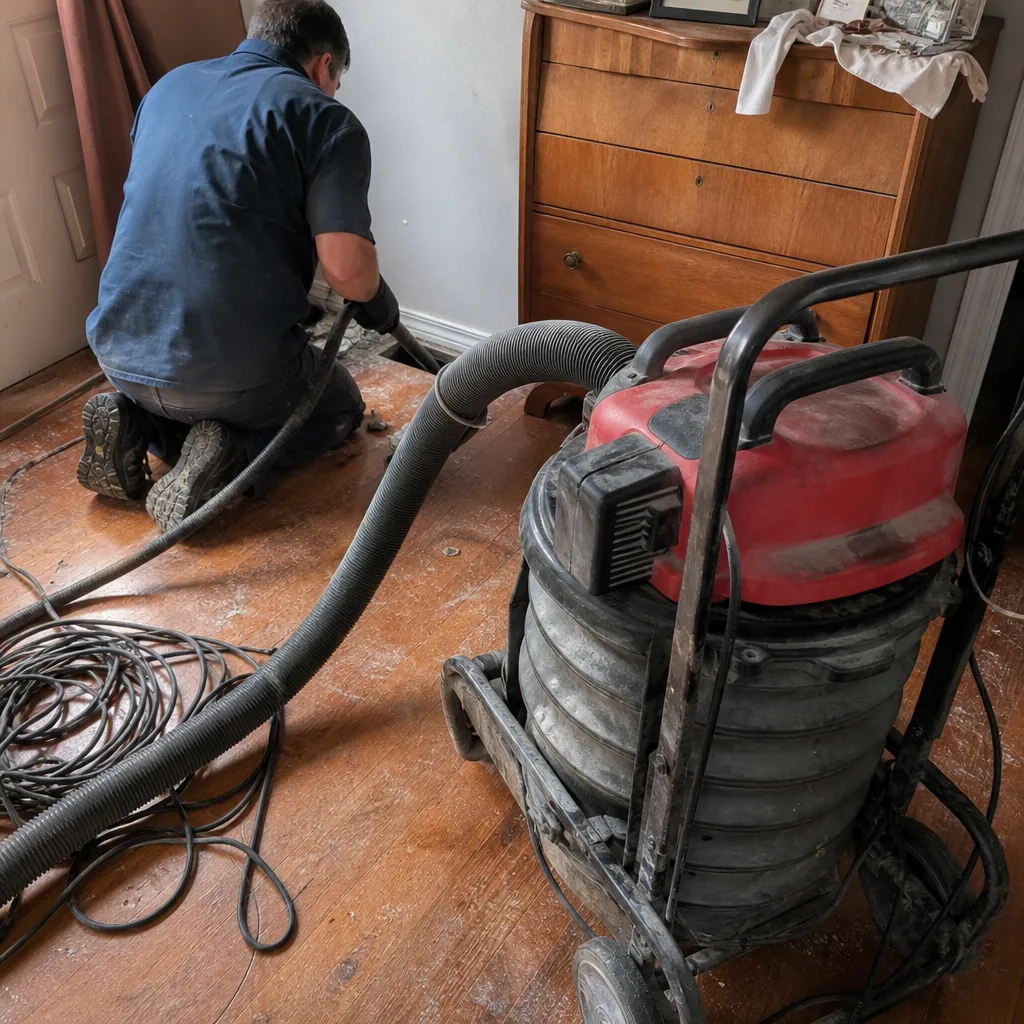 Before
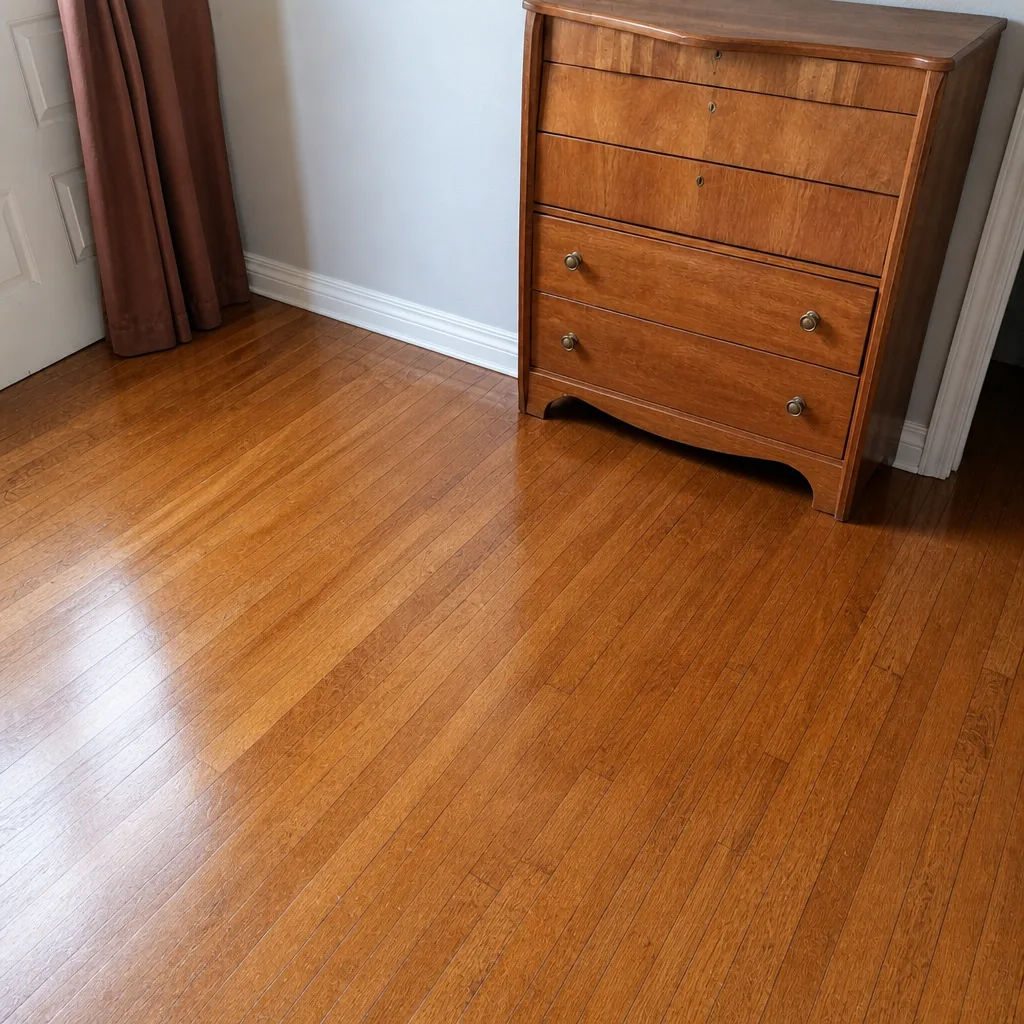 After
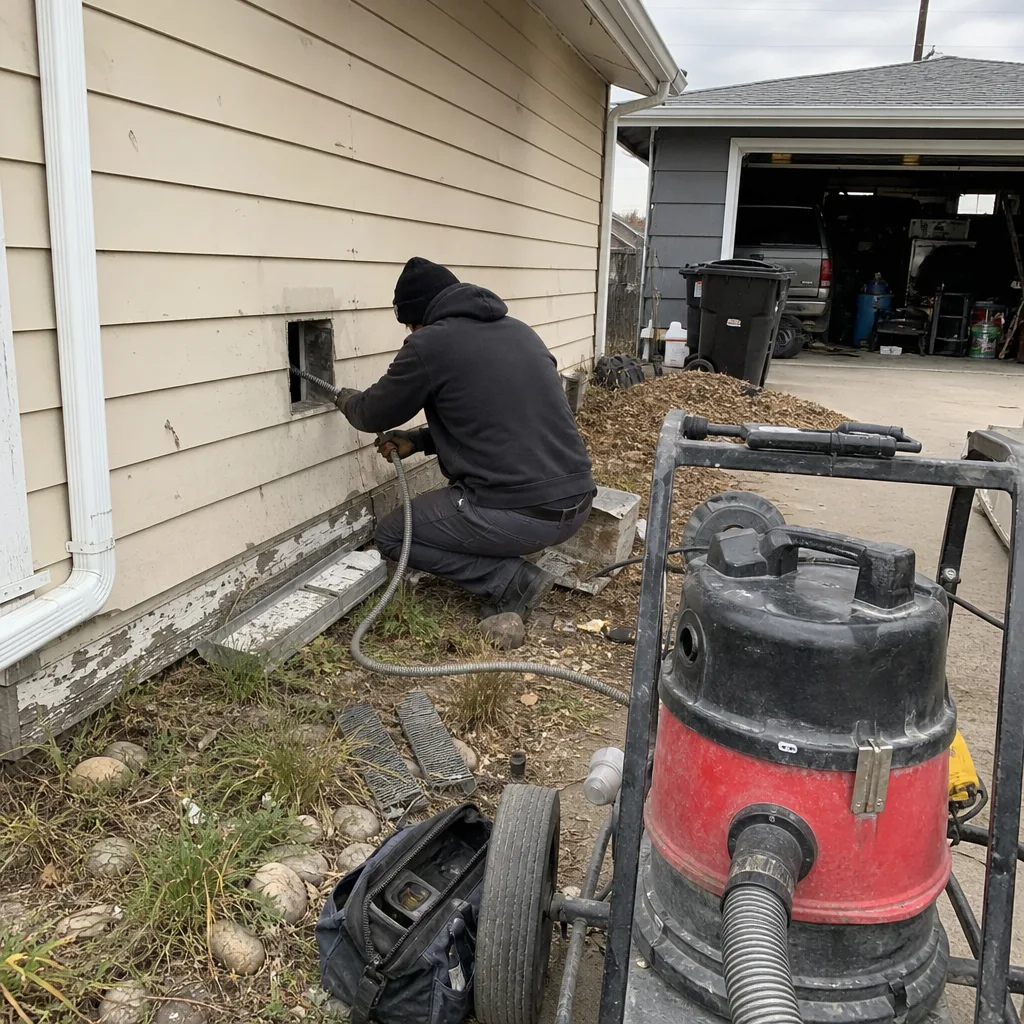 Before
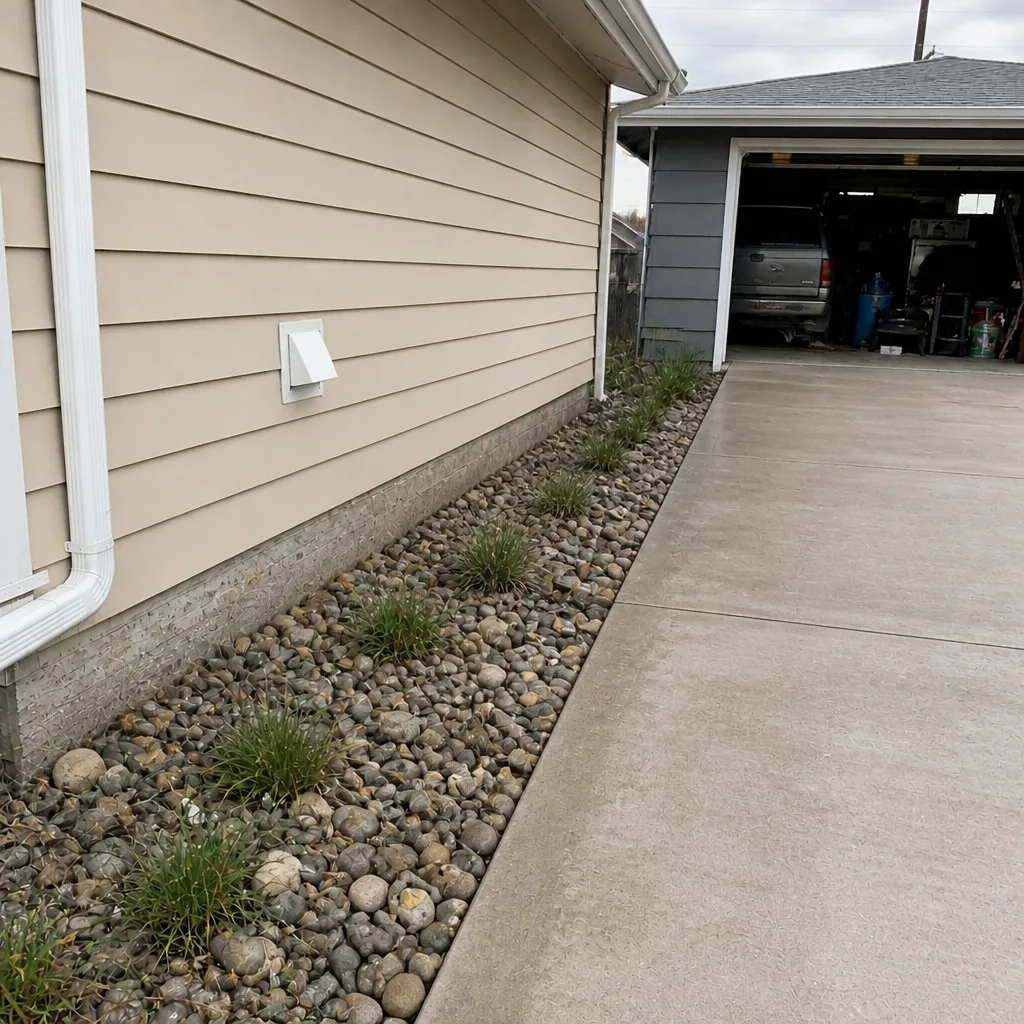 After
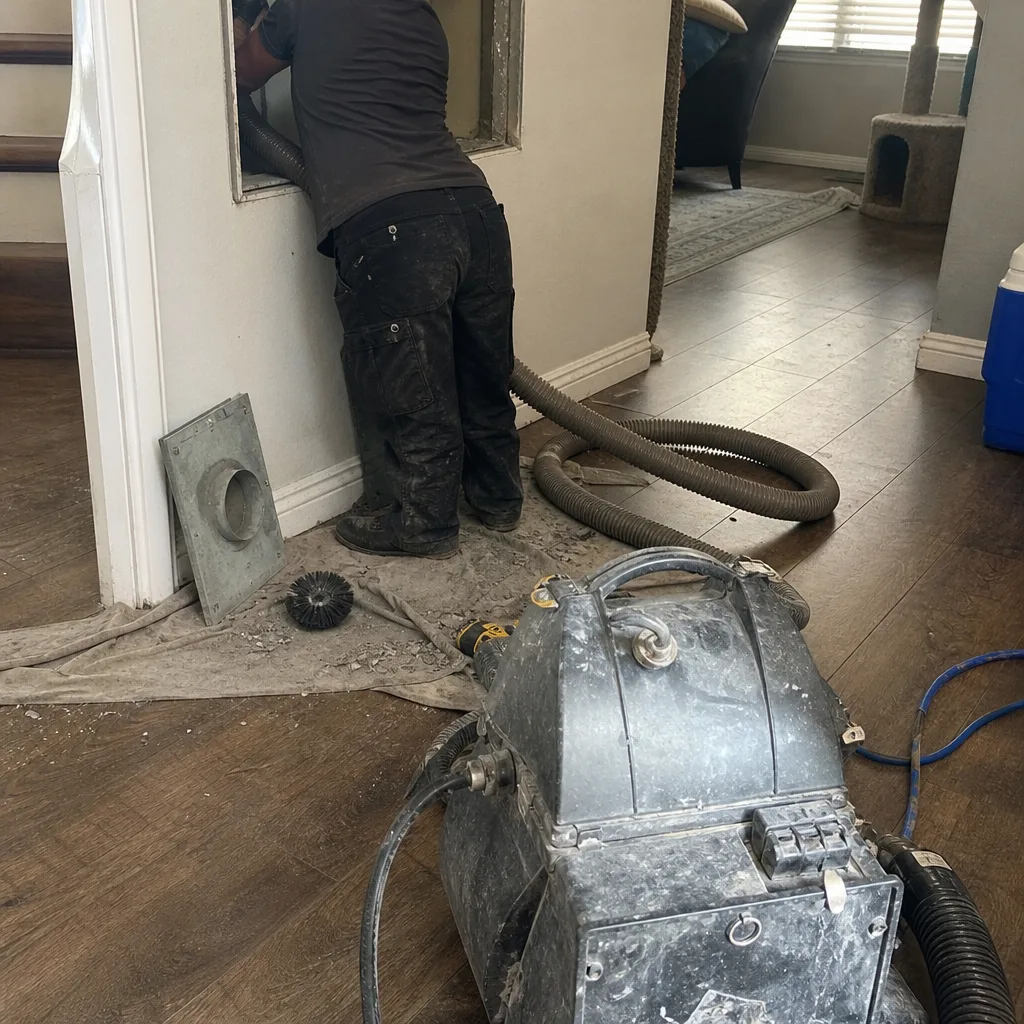 Before
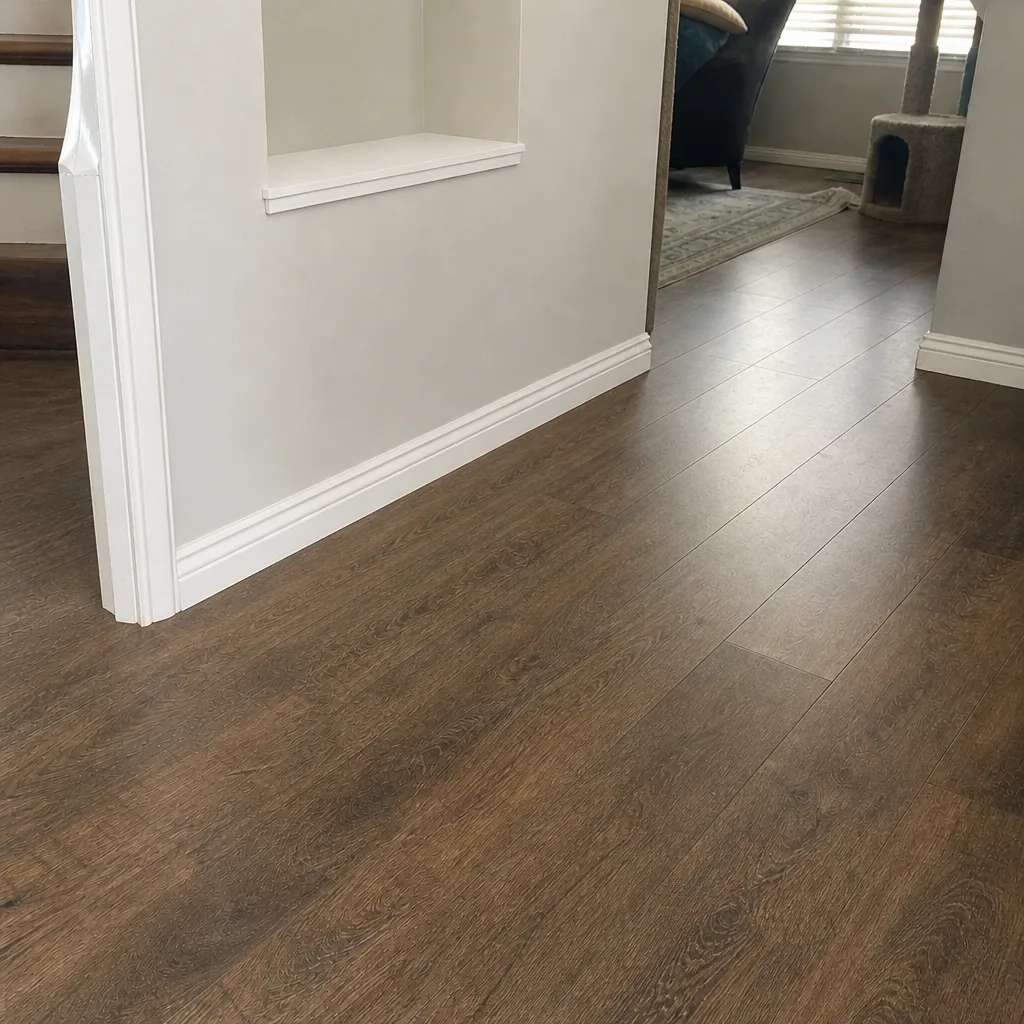 After
Frequently Asked Questions
Air duct cleaning in Wheat Ridge is priced per system by a written estimate, with the final price set by the scope of the system rather than a per-vent figure. Costs vary with the number of runs, duct material, access difficulty, and whether repair or sealing is needed alongside cleaning. Call (855) 550-7950 for an exact quote. Estimates are free.
A complete source-removal cleaning typically takes several hours because it involves inspection, negative-pressure setup, mechanical agitation of each run, component cleaning, and verification. A job compressed into under an hour is cleaning a fraction of the system. If a quote promises a full system in minutes, ask what stages are being skipped.
Most homes do well with cleaning every few years, but the real variable is the system, not a calendar. Homes with pets, recent renovations, or visible dust buildup need it sooner. Older homes with leaky ductwork recontaminate faster until the leaks are sealed. The pre-cleaning inspection tells you what your system actually needs, which is more useful than a fixed interval.
Verification is the answer: airflow testing at each register, visual confirmation of the duct interior after cleaning, before-and-after photos of your own system, and a fresh filter at the end. Ask for those before hiring. A company that can’t show you the inside of your ducts afterward hasn’t given you proof.
Cheaper quotes usually reflect less equipment and less time: no negative-pressure vacuum, no access holes, no per-run agitation, no inspection. That’s blow-and-go service, which loosens debris without removing it. The price gap isn’t a discount; it’s a different job. Compare what’s included, not just the number.
Neither is routine. Sanitizing is warranted when the inspection finds microbial growth or persistent odor; sealing is warranted when there’s measurable leakage from joints or disconnections. Both are legitimate when the inspection gives a reason and an upsell when it doesn’t. Ask for the findings behind the recommendation.
The Bottom Line
Duct cleaning in Wheat Ridge isn’t a single service; it’s a workflow that starts with inspection and ends with verification. The duct material, sheet metal, flex, or fiberboard, determines which tools are safe. Source-removal cleaning with negative pressure and mechanical agitation is the standard; blow-and-go work fails it. The pre-cleaning inspection finds the damage and leaks that cleaning alone won’t fix, and post-cleaning verification proves the job was done. Profession-grade equipment from Rotobrush, Nikro, and Abatement Technologies is what separates a real cleaning from a cosmetic one. Clean ducts are only the start; sealing the gaps and addressing the full system is what keeps them clean.
If you’re ready to know what your system actually needs, call (855) 550-7950 for a free estimate. We answer 24/7. Fast dispatch from 7am to 7pm, Sunday through Friday. You’ll get a written estimate, a clear explanation of what the inspection found, and before-and-after photos of your own ducts when the work is done. For dryer vent services on the same visit, we cover dryer vent cleaning as part of the full-system scope. And if you want the broader picture of air duct cleaning across the city, our service pages go deeper on each step.
Written by the team at Wheat Ridge Air Duct Cleaning.