
Last updated November 25, 2026
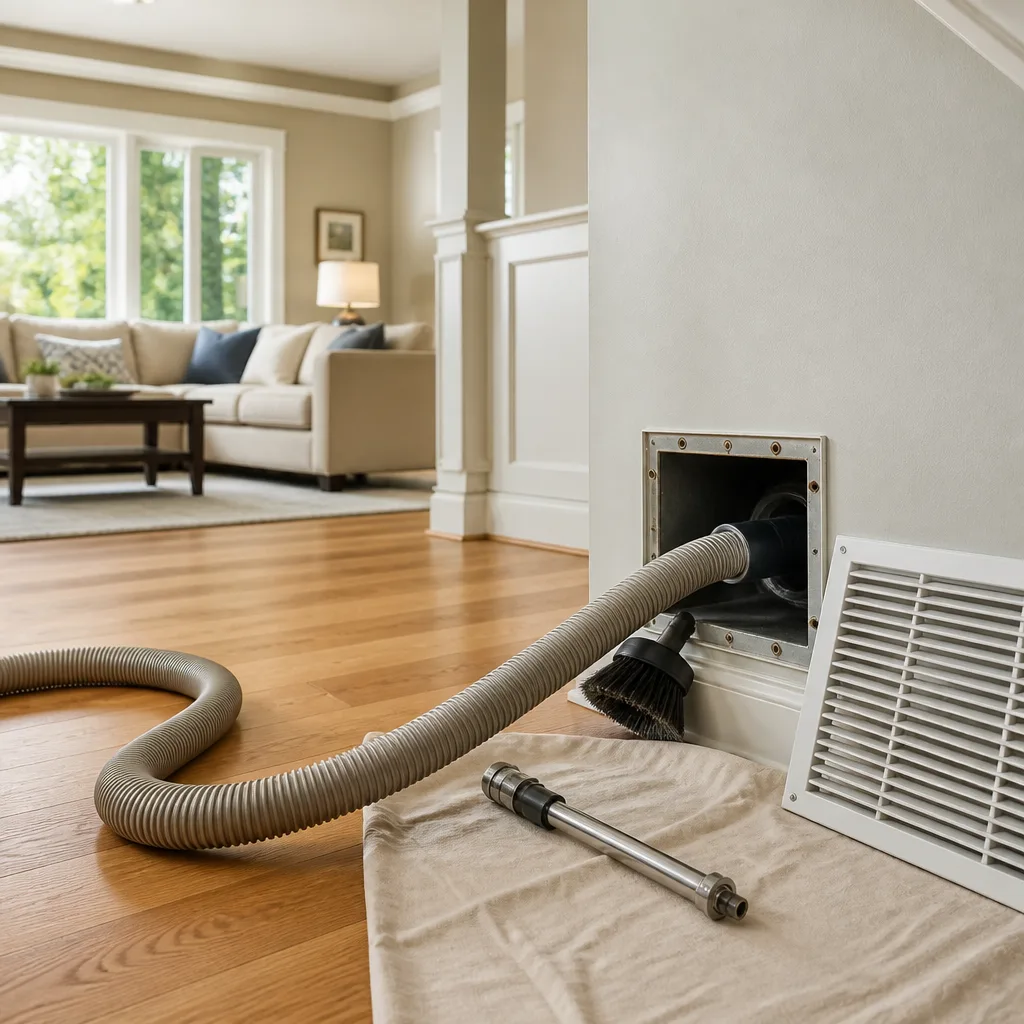 Whole-home duct cleaning
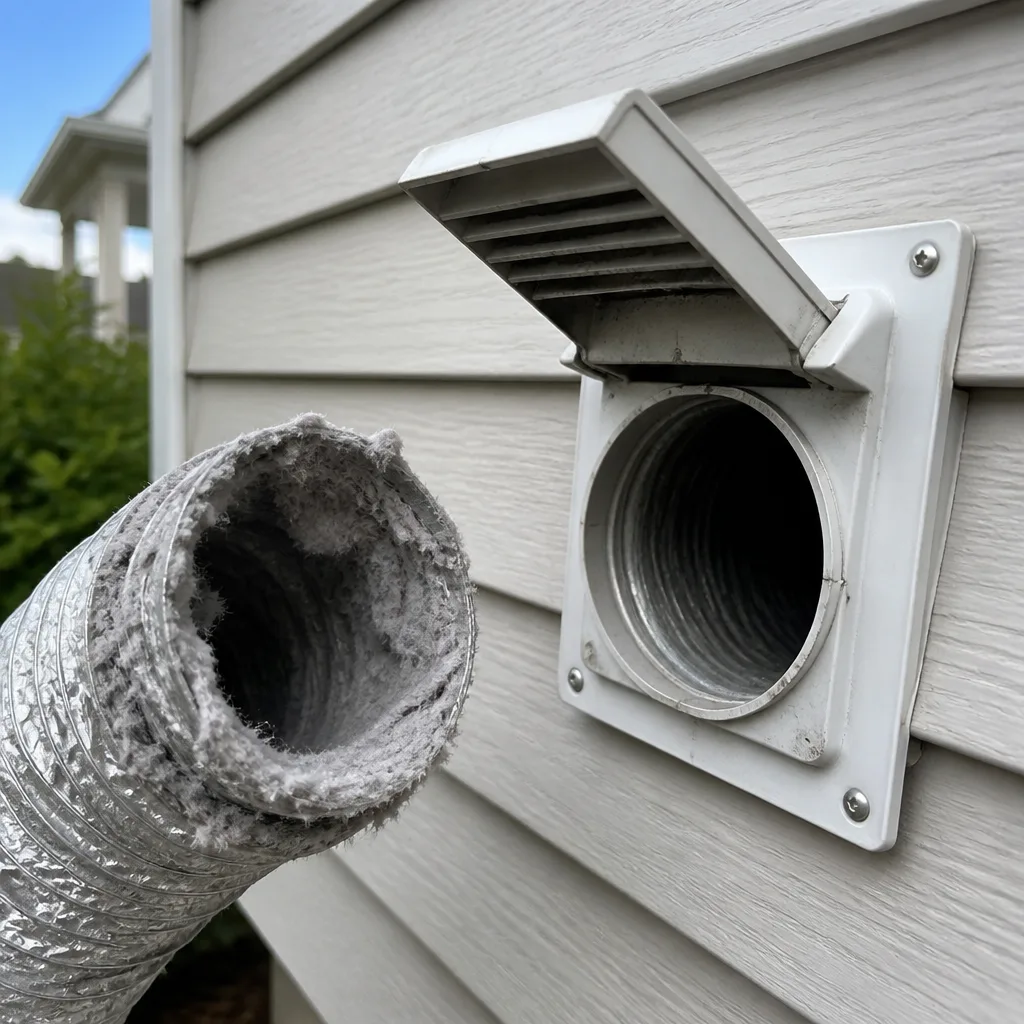 Dryer vent cleaning
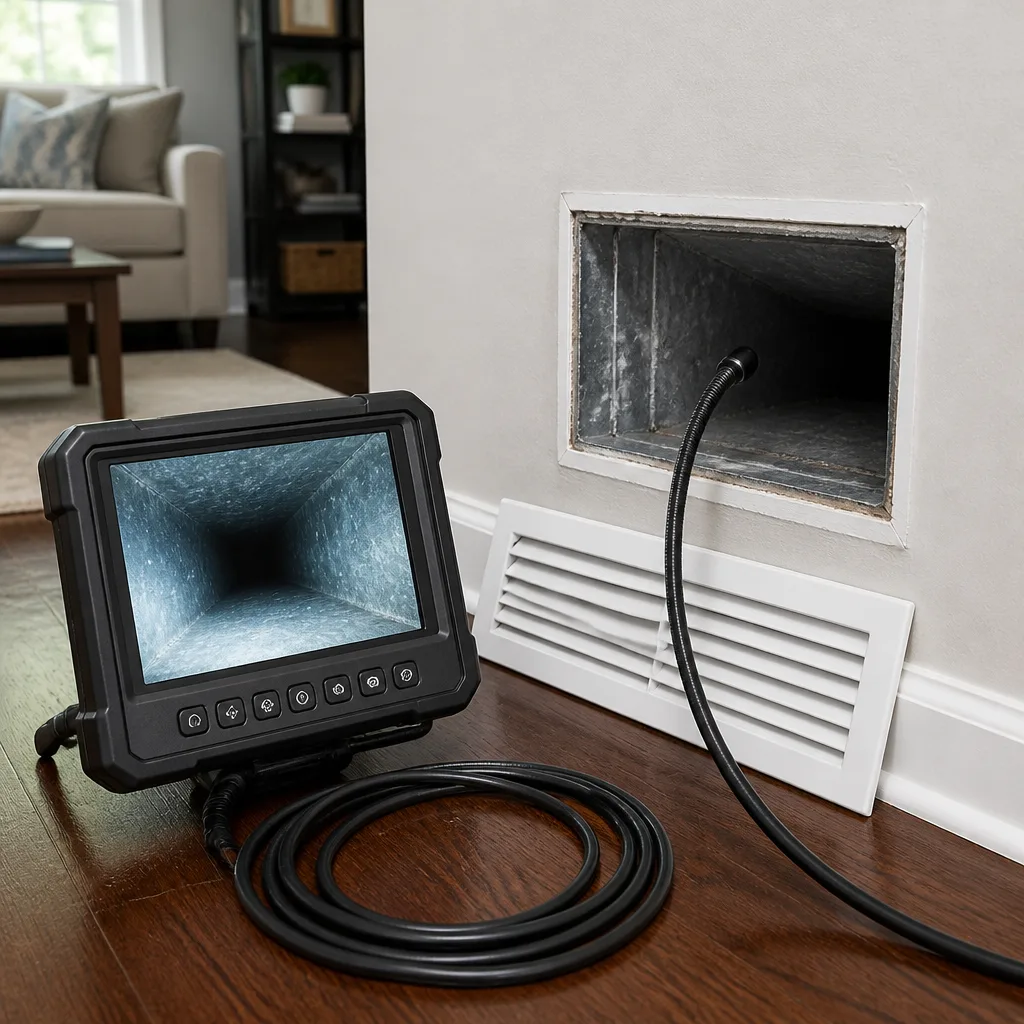 Camera inspection
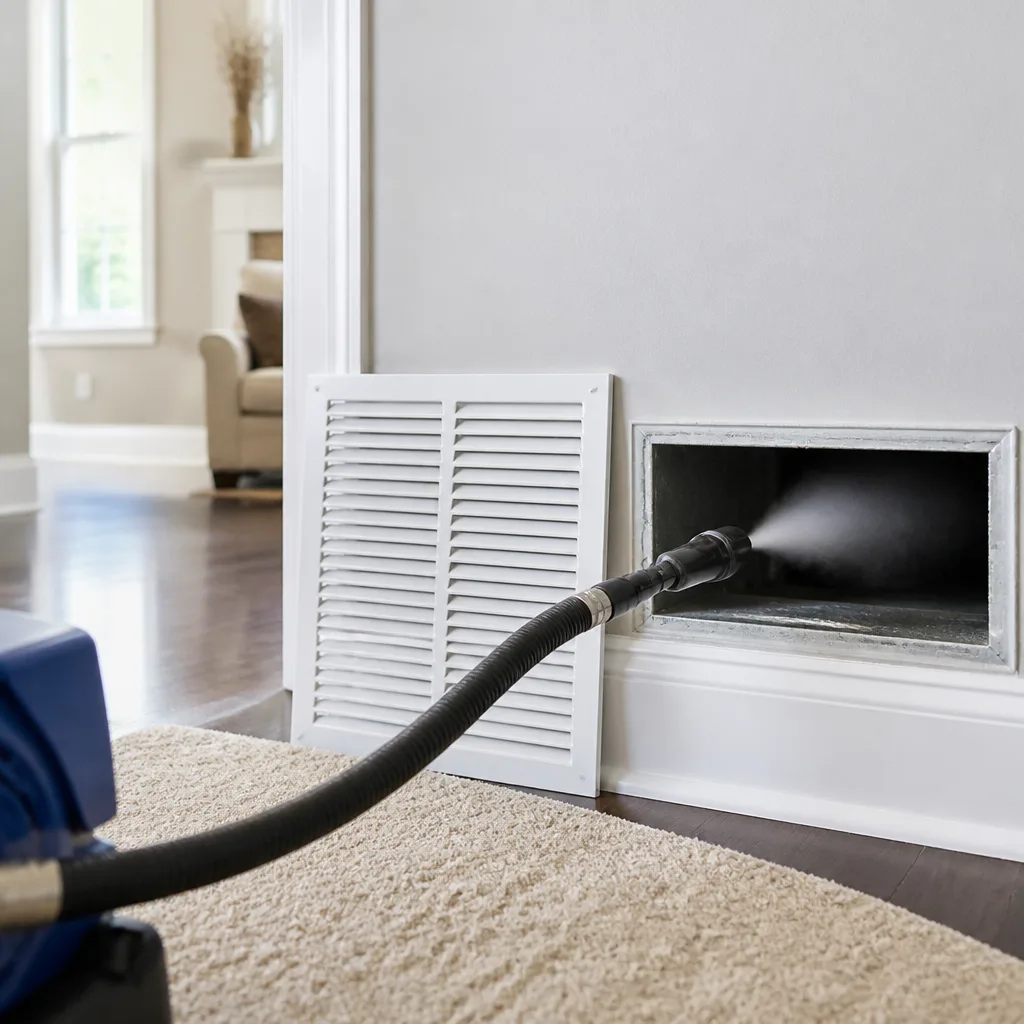 Sanitizing & deodorizing
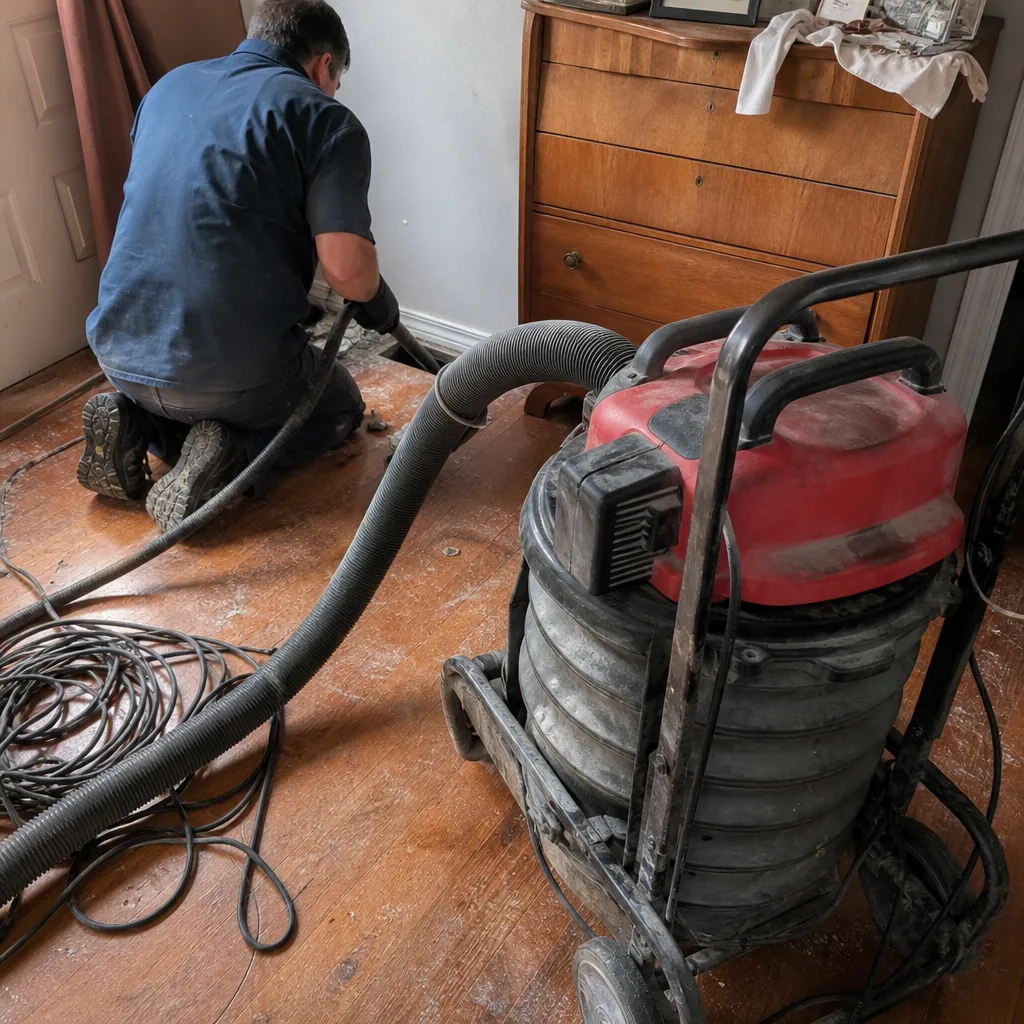
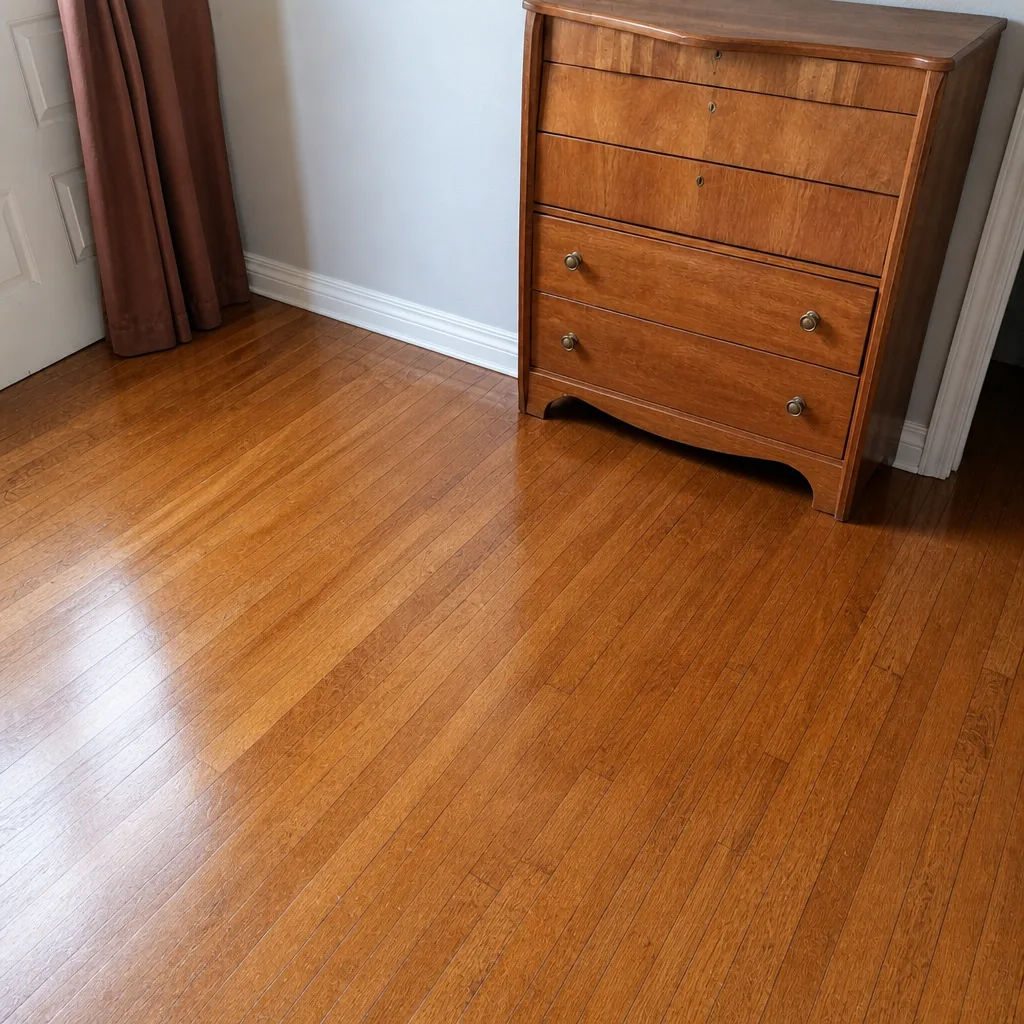
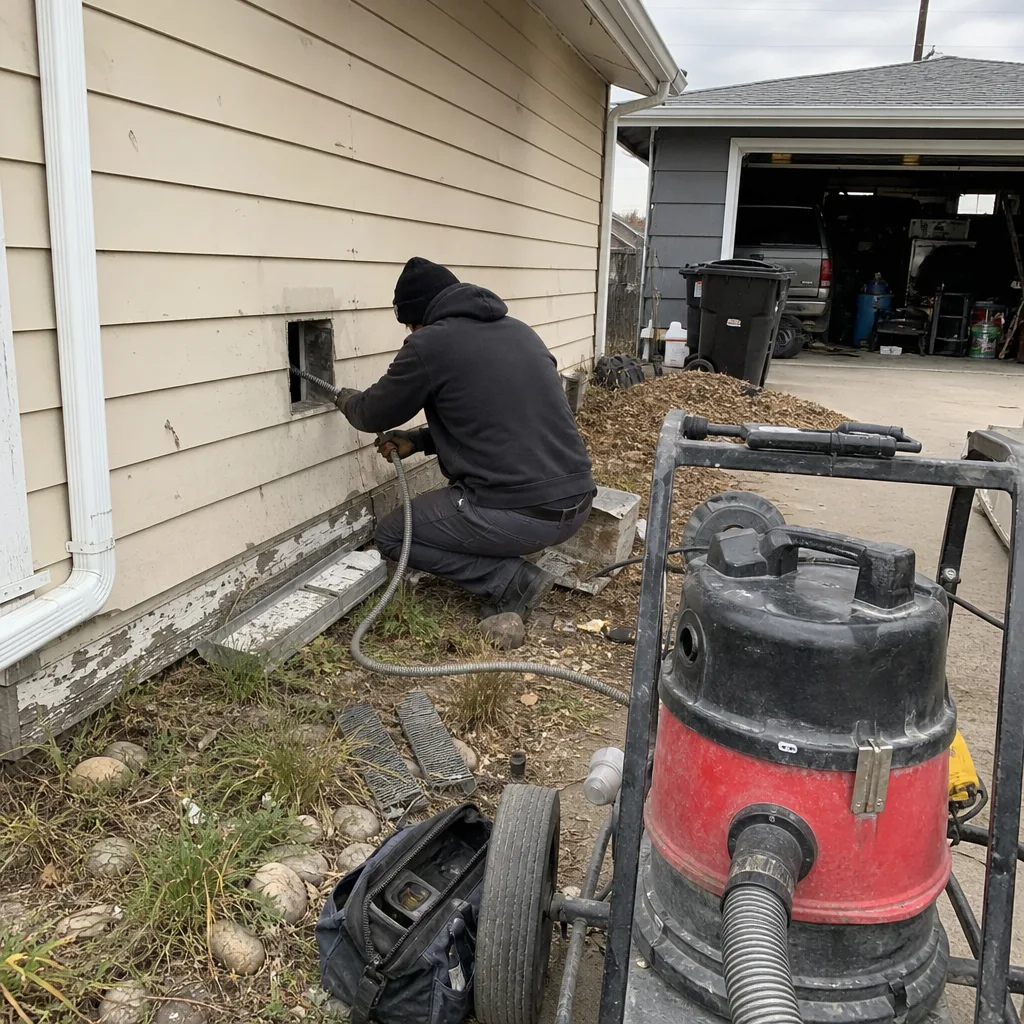
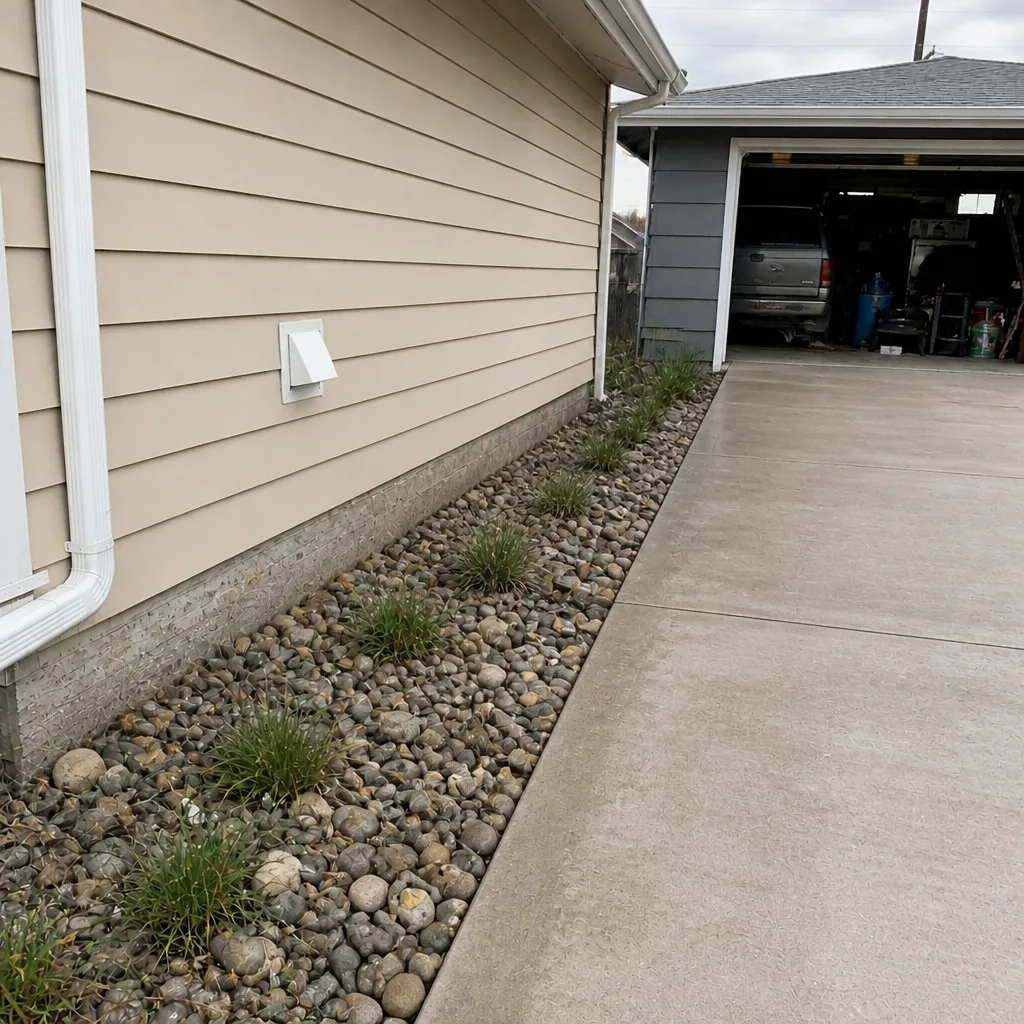
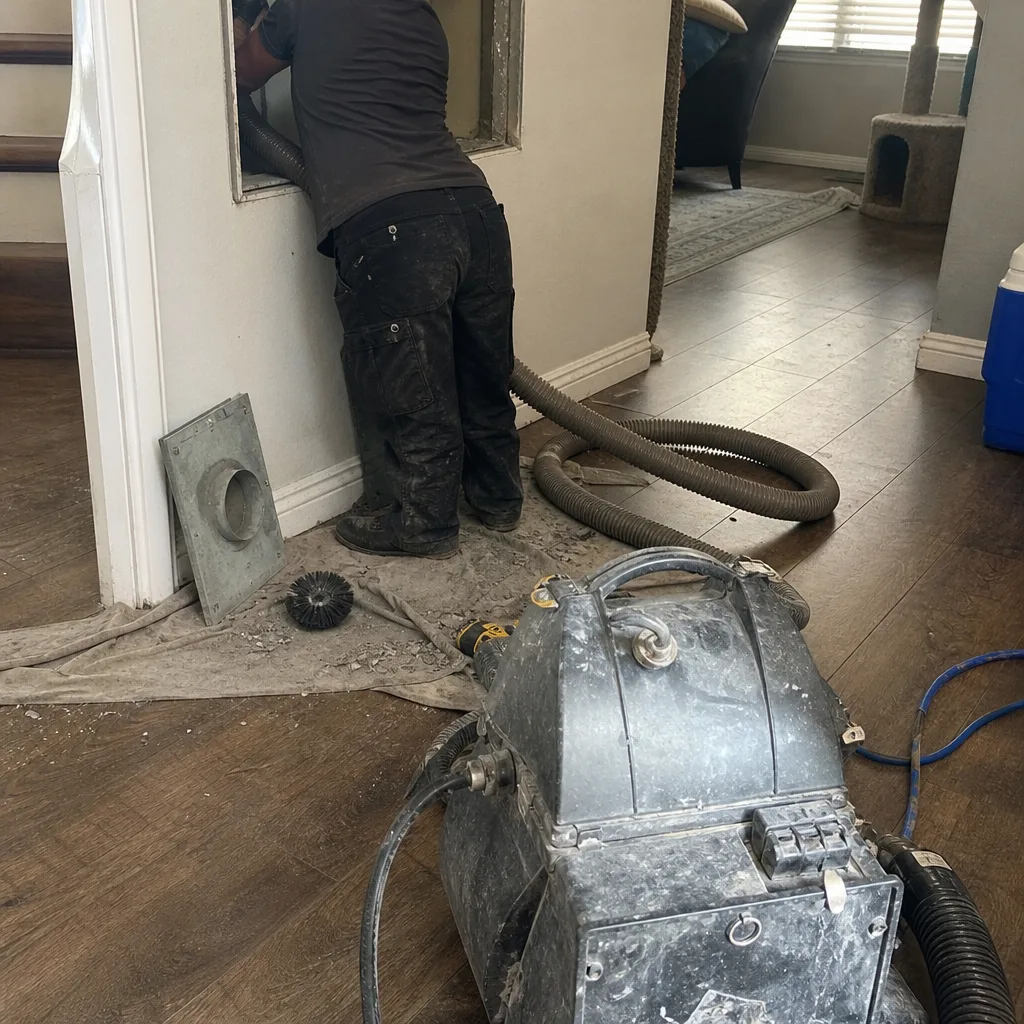
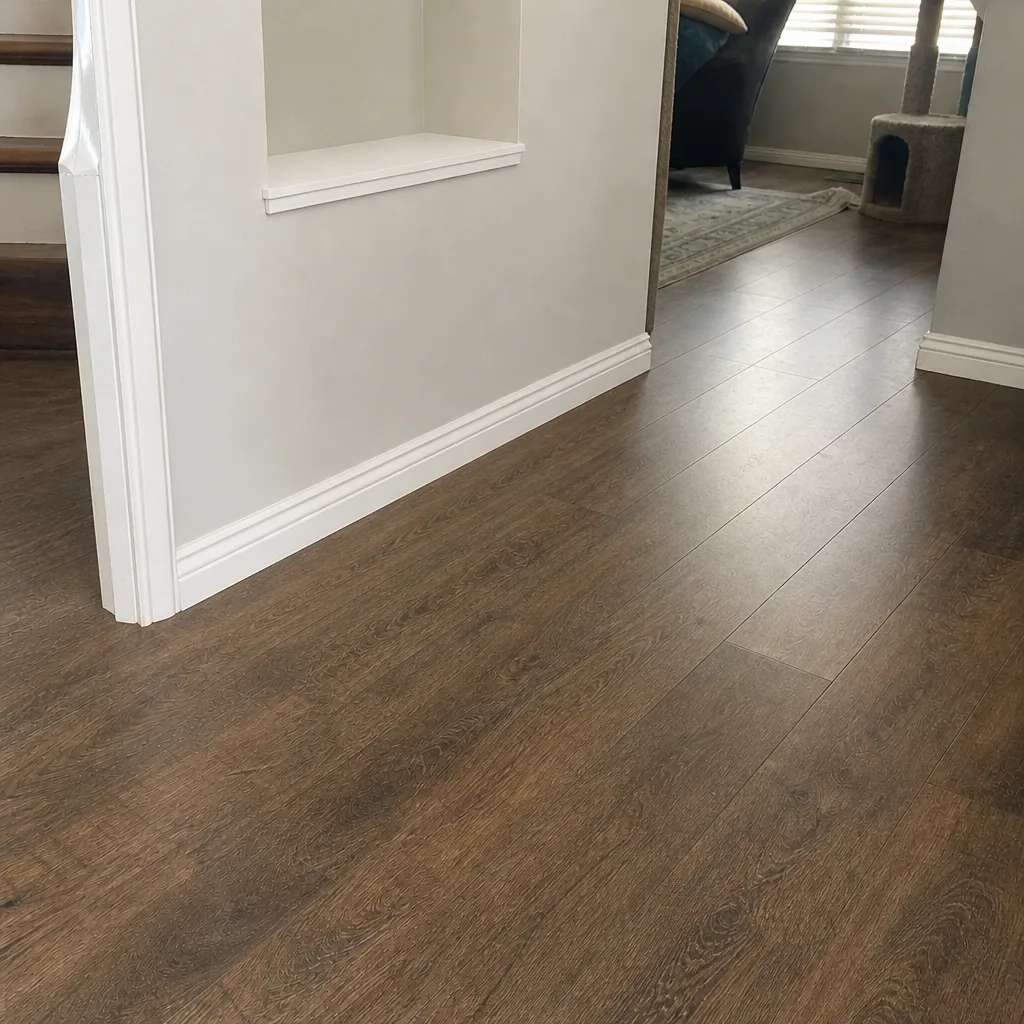
Whole-system duct and dryer vent check with before-and-after photos - you see exactly what came out of your vents
That "$99 whole-house special" is a bait ad - the real number appears once they are in your hallway, or the "clean" is a shop-vac at the register. We photograph the inside of your ducts before and after instead.
Air Duct Cleaning Emergency Preparedness Guide for Wheat Ridge Homes
Most homeowners treat their ductwork as background infrastructure, something noticed only when a register whistles or the furnace filter looks gray. That assumption breaks down fast after a smoke event, a hail-driven roof leak, or a remodel that coats the whole house in fine dust. The duct system becomes a holding tank, and every time the blower runs it pushes whatever’s inside back into the rooms you breathe in. The counterintuitive part: the first hour after an event matters more than the week after. What you do with your thermostat in that window decides how much contamination reaches the living space. This guide covers the response sequence for each scenario Wheat Ridge homeowners face most, plus the pre-event work that shortens recovery. We’ll walk through wildfire smoke protocol, the 72-hour moisture window, post-renovation cleanup, duct sealing and filter upgrades, and the triage steps that tell you whether cleaning, sealing, or component replacement is the right first move.
Quick Answer
Air duct cleaning after an emergency in Wheat Ridge comes down to timing and triage. Shut the HVAC system down during peak wildfire smoke to stop distributing particulate, restart on recirculate once the outside air clears, and after any water intrusion get ducts inspected and dried inside 72 hours before mold colonization turns a cleaning job into a remediation project. Post-renovation, match the cleaning method to the dust type. Before the event, document the system, upgrade filtration, and seal gaps so recovery is a single service call rather than a series.
Styles & brands we work with
- Whole-home duct cleaning
- Dryer vent cleaning
- Camera inspection
- Sanitizing & deodorizing
Table of Contents
- Why Wheat Ridge Homes Face a Different Duct Risk Profile
- Wildfire Smoke Protocol: Shut Down, Recirculate, Assess
- The 72-Hour Window After Water Intrusion
- Post-Renovation Contamination: Matching Method to Dust
- Pre-Event Preparedness: Sealing, Filters, and Documentation
- How to Triage Duct Cleaning Need After an Event
- What Professional-Grade Cleaning Actually Involves
- Common Mistakes to Avoid
- When to Call a Professional
- Frequently Asked Questions
- The Bottom Line
Why Wheat Ridge Homes Face a Different Duct Risk Profile
Wheat Ridge sits in Jefferson County on the west edge of the Denver metro, tucked against the foothills where smoke from Front Range wildfires tends to pool. The same geography brings hail: this stretch of the metro sees some of the most frequent hail in the state, and a storm that punches through a roof vent or drives water past a flashing sends moisture straight into the attic and down into the top-floor ducts. Add the age of the housing stock – a lot of Wheat Ridge homes were built in the postwar decades when duct systems were assembled with taped joints and unlined metal – and you get a predictable three-headed risk profile: smoke infiltration, water intrusion, and decades of accumulated gunk that a fresh event pushes into the breathing zone.
Each of these scenarios has a different response clock. Smoke responds to control of the air handler in minutes and hours. Water responds to drying in days. Construction dust responds to cleaning method. Confusing them is where most homeowners lose time and money.
Wheat Ridge also has a dense mix of single-family homes, older ranch-style builds, and small multi-family properties along the main corridors. Each duct layout handles contamination differently. A shallow ranch crawlspace system dries slower than a basement system because the air movement is weaker. Multi-family units share air handlers between floors in some buildings, which means one unit’s smoke event becomes the neighbor’s problem.
The three predictable event types in Wheat Ridge
- Wildfire smoke: Late-summer and fall events, driven by wind patterns that push smoke against the foothills. Fine particulate below 2.5 microns rides straight past most standard filters.
- Hail and roof damage: Spring and summer storms that compromise roofing, attic venting, or exterior penetrations and let water inside within a single storm cycle.
- Renovation and remodeling: Steady in Wheat Ridge’s older housing stock, where kitchen and bath upgrades send drywall dust and insulation fiber through the return-side of the system within hours.
Each one calls for a documented response plan. That’s the difference between a house that recovers in a week and one that struggles with lingering odor and dust for months.
Wildfire Smoke Protocol: Shut Down, Recirculate, Assess
During a peak smoke event in Jefferson County, the single biggest mistake is running the system as usual. Fine particulate at 2.5 microns bypasses standard filters far more easily than bigger dust, and when the blower pulls outside air in through a standard intake, it distributes that smoke to every room at once. The right move is counterintuitive: stop the system.
Here’s the sequence we recommend to Wheat Ridge homeowners when smoke is visibly heavy outside.
Step-by-step smoke response
- Shut down the HVAC system. Turn the thermostat to off. Don’t run fan-only mode. The blower is exactly what’s pulling smoke in.
- Close up the house. Windows and doors, obviously, but also check attic vent openings and any window AC units. Tape plastic over the wall sleeve if needed.
- Seal exterior air intakes temporarily. A fresh-air intake on an HRV or direct-vent system can be blocked with a plastic sheet if you can access it safely. Don’t block combustion air for gas appliances without checking first.
- Run a portable HEPA air cleaner in the main living space. This is where the actual air quality work happens while the central system is off.
- Monitor outside air quality. When the smoke visibly clears – not just when the smell goes away – you can restart the system.
- Restart on recirculate mode. If your thermostat or ductwork has a recirculate setting, use it. Close the fresh-air intake again if possible.
- Replace filters. A filter loaded with smoke particulate performs worse than a filter that’s a week old.
- Schedule post-event duct assessment. This is the step most homeowners skip, and it’s the one that determines how long the smell lingers.
Post-event assessment sequence
Once the outside air is clear, the assessment sounds simple but most people do it out of order. Check the return-side first – smoke gets pulled back through the return registers and coats the box before the supply side sees anything. Then check the blower compartment. Then the supply trunk, and finally the branch runs. If a filter change alone doesn’t clear the odor, the system has retained particulate beyond the filter, and that’s the point where professional duct cleaning is the right call.
For Wheat Ridge properties with significant smoke exposure, the fixable cleanup order is airflow first, filtration second, and sanitizing last. Cleaning without repairing the gaps that let smoke in is a temporary patch. You can read more about how duct repair and sealing fit the sequence on our Wheat Ridge Air Duct Cleaning page, or get an assessment from our team directly.
The 72-Hour Window After Water Intrusion
After a hail event or any roof leak, the clock is already running when the water hits. Duct systems that stay wet past 72 hours are the ones that turn a cleaning job into a remediation project, because mold colonization becomes a source problem rather than a surface problem. The window isn’t a suggestion – it’s the practical cutoff before visible growth starts.
What to do in the first 48 hours
- Stop running the system. A wet duct system running the blower sprays spores into every room. Turn the thermostat off.
- Document the intrusion. Photos of the water source, wet drywall, and any visible moisture at registers. Any insurer will want them.
- Get airflow moving in the attic and crawlspace. Fans, open venting, dehumidifiers. Water has to leave the structure, not just the surface.
- Call a professional for duct inspection. Interior duct moisture isn’t visible from the register. It takes a borescope or fiber-optic inspection to see the actual damp surfaces inside the trunk and branch runs.
What happens between 48 and 72 hours
This is the diagnostic window. A technician uses moisture meters on the interior surfaces, cameras inside the duct, and visual inspection of insulated flex runs to decide whether cleaning is enough or whether some portion of the system needs replacement. Insulated flex duct that’s been soaked is a different situation than uninsulated metal – flex holds water in the insulation and it typically doesn’t recover. Metal trunks can dry and be cleaned, but the joints and seams need attention because that’s where the mold finds the vulnerable surface.
After 72 hours
Past the window, the working assumption changes. Cleaning and HEPA filtration with something on the level of Abatement Technologies equipment is still part of the response, but the remediation scope may include surface treatment, replacement of the compromised sections, and a verification pass after the work is done. Wheat Ridge homes with crawlspace-routed ducts below the living level tend to sit in this category longer than basement systems because the crawlspace air exchange is weaker. Getting the inspection booked inside the first 48 hours is what we recommend to every homeowner facing water intrusion.
Post-Renovation Contamination: Matching Method to Dust
Construction dust isn’t one thing. The three contamination types that come out of a Wheat Ridge kitchen or bath remodel behave differently in a duct system, and cleaning a drywall-dust problem with a method built for concrete-dust ignores the actual chemistry.
Drywall compound dust
Sandable joint compound is the finicky one. It’s fine, adhesive, and it cakes onto interior duct surfaces when moisture is present. A standard vacuum pass will pull the loose dust but leaves the film. Mechanical cleaning with an agitation tool – the rotating brush heads on a Rotobrush setup are an example of this – is what breaks the bond between the compound and the metal surface so the vacuum can actually remove it. The return-side plenum is usually the worst offender because the return grilles collect the sanding cloud before the filter ever sees it.
Insulation fiber
Spray-foam trims, batt replacement, and attic work throw glass fiber into the return. Fiber is heavier than dust and doesn’t stay suspended in the air as long, but it settles onto horizontal runs and accumulates in the low spots. Cleaning needs to reach those surfaces, not just the visible trunk. Fiber gets trapped behind support brackets and hangers where a mechanical brush heads feel is different from a vacuum pass, and a professional-grade system paired with HEPA filtration is what keeps fiber from re-entering the home during the cleaning itself.
Concrete and masonry dust
Concrete grinding and cutting pushes alkaline particulate into the air. It’s heavier than drywall compound and settles quickly, but it also has a mildly corrosive edge that stays on metal. A duct system that took the brunt of a slab or foundation job needs both removal and a clean interior finish. Air quality sanitizing after the mechanical pass is often the right next step to handle residual alkaline film.
Post-renovation step sequence
- Close all supply and return registers before sanding starts to keep dust out of the system.
- Run a HEPA air cleaner in the work zone during the job.
- After construction ends, change the HVAC filter before running the system.
- Run the system on fan-only for one cycle, then change the filter again.
- Book air duct cleaning sized to the dust type – drywall needs mechanical agitation, fiber needs thorough vacuum, concrete needs both plus sanitizing.
Pre-Event Preparedness: Sealing, Filters, and Documentation
The homes that recover fastest from a smoke event or water intrusion are the ones that did the pre-work. Three upgrades make the biggest difference, and none of them are expensive relative to the cost of a post-event cleanup.
Duct sealing
Every unsealed joint is a path for smoke, dust, and moisture to bypass the filter entirely. Sealing at the plenum, the trunk, and the branch connections where they meet the boots cuts that path down. In our experience the largest leaks are at the return-side plenum and at the boots behind the supply registers, where the original tape has dried and pulled away. Our team includes duct repair and sealing as its own service because cleaning without sealing is a surface fix, not a system fix. We seal the gaps, not just sweep the surface.
Filter upgrades
A standard pleated filter at the entry-level MERV rating is fine for everyday dust but not for fine smoke particulate. Upgrading to a higher-MERV filter – one that draws Aprilaire or Honeywell data for filter framing and pressure-drop limits – reduces what reaches the heat exchanger and the supply trunk. The catch is pressure drop: a filter that’s too restrictive on an older blower can shorten motor life. A filter upgrade is worth doing at the same time as a static pressure check, which is part of what a proper HVAC cleaning visit can look at.
Documentation
Photos of the duct layout, the filter model, the thermostat settings, and any prior work aren’t about vanity – they’re the fastest path to a competent assessment after an emergency. A technician who can look at a before-and-after photo set of your own ducts knows what the baseline was and what the post-event condition should look like. That’s also why we take before-and-after photos of every job and share them with the homeowner; if a weather event hits later, you have proof of what the system looked like before.
Annual dryer vent check
Dryer vent cleaning is the ignored fire-prevention task in most Wheat Ridge homes. Lint buildup in a dryer vent is a leading cause of residential fires, and it doesn’t announce itself with any warning before ignition. Booking dryer vent cleaning once a year is the single highest-consequence preparedness step most homeowners skip.
How to Triage Duct Cleaning Need After an Event
An event hits and the immediate question is: what needs cleaning, what needs sealing, and what needs replacement? The triage sequence below is what a technician runs through on the first visit, and you can follow the same logic to prepare for the call.
The four-step triage sequence
- Visual check at all registers. Supply and return. Look for visible dark streaks, dust accumulation around the boot, and any sign of moisture staining. Return-side usually tells the story first.
- Interior camera inspection. A fiber-optic camera into the trunk and one or two branch runs shows whether there’s retained particulate beyond the register face. This is the difference between surface dust and system contamination.
- Pressure and airflow check. A blower-door or static pressure reading shows whether the system is leaking at the seams. If airflow is up to 30% down from baseline after a filter change, there’s a blockage or a collapsed flex run somewhere.
- Decide scope. Cleaning only if the interior surfaces are loose contamination. Cleaning plus sealing if the joints are leaking after cleaning. Component replacement if the contamination has bonded, if flex duct was soaked, or if the run has physical damage.
Component replacement isn’t failure
Sometimes the right answer is replacing a section of ductwork rather than trying to save it. Insulated flex that absorbed water is the clearest case, but so is a branch run that took construction dust into the insulation layer, or a trunk section that was assembled without proper sealing to begin with. Repair and replacement are part of the same service line as cleaning in our shop because the diagnosis and the fix belong to the same visit.
What Professional-Grade Cleaning Actually Involves
The duct cleaning that actually resolves a post-event contamination problem looks different from a quick vacuum pass. Professional-grade equipment matters here in a way it doesn’t for routine maintenance. The right tools agitate, capture, and verify. The wrong tools disturb contamination without capturing it, and sometimes spread it.
The equipment and what it does
- Rotobrush mechanical cleaning systems agitate the duct walls with rotating brush heads sized to the interior profile of the run. This is what breaks the bond of dried compound, adhered smoke film, and packed lint.
- Nikro vacuum systems provide the negative-pressure capture that pulls loosened debris back to a HEPA-filtered collection unit while the agitation is happening.
- Abatement Technologies air filtration handles the HEPA-level capture that keeps fine particulate from being re-suspended into the home during the work. This equipment is used in remediation and industrial settings, which is the standard a post-event cleaning should be held to.
- Honeywell and Aprilaire product experience matters for the filtration and air-quality side of the job, because filter selection and static pressure checking are where the system either recovers properly or ends up worse.
- Guardsman-level protection standards for floor covering, register protection, and post-job cleanup. The air inside your home deserves the same attention as the air outside.
Verification
Before-and-after photos of your own ducts – not stock images – are the proof standard. Every job we run ends with photo documentation the homeowner keeps. If a service can’t or won’t show you what the ducts looked like before and after, the work isn’t verifiable. One flat price per system agreed before work starts is the other standard; per-vent pricing turns into a surprise when the technician gets inside the trunk and finds the actual scope.
Common Mistakes to Avoid
- Running the HVAC system during peak smoke. The instinct to “keep the air moving” is the opposite of what helps. A running blower pulls exterior smoke into the ducts and distributes it into every room. Turn the system off until outside air clears.
- Waiting until you see visible mold before calling after water intrusion. The 72-hour window closes before most homeowners notice visible growth. By the time mold is visible at a register, it’s had hours of head start inside the ductwork.
- Running the system during a renovation without closing the registers. Construction dust collects at the return grille before the filter can see it. Close supplies and returns before sanding or cutting, and change the filter before restarting.
- Choosing a quote by price alone. A low bid that doesn’t include mechanical agitation, HEPA filtration, or proper sealing is a vacuum pass with a marketing brochure. The cheaper quote sometimes is more expensive once the actual scope is written into the invoice after the work starts.
- Skipping duct sealing after cleaning. Cleaning without sealing is a temporary result. The same gaps that let contamination in are still there when the next event hits.
- Ignoring dryer vent cleaning as a fire-safety item. Duct-only competitors leave the highest-consequence vent in the house unaddressed. Wheat Ridge homes with laundry against an exterior wall often have a longer-than-usual vent run, which is where lint accumulates fastest.
- Treating all construction dust the same. Drywall compound, insulation fiber, and concrete dust each need a different first-move cleaning approach. A one-size method leaves residue behind.
When to Call a Professional
Some situations are a filter change and a monitor. Others need a professional evaluation right away, and the difference is usually timing. Call a professional if any of these apply: the HVAC system ran during a significant wildfire smoke event, water entered the home within the last 72 hours, a renovation involved sanding, spray foam, or concrete cutting, there’s a musty smell when the system first starts up, airflow has dropped noticeably after a filter change, or it’s been more than a year since a dryer vent inspection. For Wheat Ridge properties that have had any of the above, an assessment is the right next step – not a guess, not “wait and see.” Wheat Ridge Air Duct Cleaning offers free estimates in Wheat Ridge – call (855) 550-7950. We answer 24/7. Fast dispatch from 7am to 7pm, Sunday through Friday. Our technicians have up to 10 years of experience, and the local pro we connect you with is licensed and insured as their state requires.
Frequently Asked Questions
Air duct cleaning in Wheat Ridge typically runs in the $400 to $1,200 range for a standard single-family home, with the final price set by the written estimate after the system is inspected. Complex systems with multiple zones, long runs, or post-event contamination push toward the higher end; simpler ranch layouts stay near the low end. Cleaning plus duct sealing or air quality sanitizing adds line items to the estimate, quoted up front rather than after the fact. Call (855) 550-7950 for an exact quote – estimates are free.
Cheap quotes usually exclude the parts of the job that make the cleaning actually resolve contamination: mechanical agitation, HEPA-level capture during the work, and verification photos of the result. A vacuum pass with a big-box shop vac is priced low because there’s very little to it. The bait-and-switch pattern is a low teaser price that grows once the technician is inside the system and finds the real scope. One flat price per system, agreed before work starts, is the honest model. Call (855) 550-7950 for a written estimate – free.
Before-and-after photos of your own ducts are the proof standard. Not stock images, not generic photos from other jobs. Every job we run ends with photo documentation the homeowner keeps. Pair that with a written scope that lists what was cleaned and what was sealed, and the work is verifiable. If a service won’t provide that, ask why. Call (855) 550-7950 for a free estimate that includes the verification process spelled out.
For most Wheat Ridge homes, professional cleaning every three to five years is enough under normal conditions, sooner after a significant smoke event, a water intrusion, or a major renovation. A house with pets, a smoker, or recent remodeling needs it more often. Yearly dryer vent cleaning is a separate schedule and shouldn’t be bundled into the same decision.
No – shut it down during peak smoke, then restart on recirculate once the outside air visibly clears. A running blower pulls fine particulate into the ducts and distributes it to every room. Replace the filter after the event ends, and schedule an interior inspection if the smoke smell lingers after the filter change. Call (855) 550-7950 if you want an assessment in the first week.
Sometimes, but not always – it depends on what’s been colonized before the 72-hour window closed. Cleaning removes surface contamination, but if the mold has grown into insulated flex duct or bonded to porous material, that section of the system needs replacement. The honest answer comes from a borescope inspection and a moisture meter reading on the interior surfaces. Call (855) 550-7950 for an assessment – estimates are free, and the diagnostic sequence is included.
The Bottom Line
Emergency preparedness for air ducts in Wheat Ridge comes down to four rules. Shut the system down during peak smoke, not up. Get ducts inspected and dried inside 72 hours after any water intrusion. Match the cleaning method to the dust type after a renovation, not to what’s easiest. Do the pre-event work – sealing, filter upgrades, system documentation – so recovery after the next event is one service call instead of a project. Professional-grade equipment and one flat price per system set at the written estimate make the difference between a job that’s verifiable and one that isn’t. The air inside your home deserves the same attention as the air outside, and the work that produces measurable results is the work that agitates, captures, seals, and verifies.
Contact
If you’ve had a wildfire smoke event, a water intrusion, or a major renovation in Wheat Ridge, the assessment is the first move and it’s free. Call (855) 550-7950 for a free estimate. We answer 24/7. Fast dispatch from 7am to 7pm, Sunday through Friday. Our technicians have up to 10 years of experience, and we take before-and-after photos of your own ducts so the work is verifiable. One flat price per system agreed before work starts, and a written estimate that sets the final number. Whether it’s cleaning, sealing, HVAC cleaning, or air quality sanitizing, one call covers it all.
Written by the team at Wheat Ridge Air Duct Cleaning.
See the difference
 Before
 After
 Before
 After
 Before
 After