
Last updated November 25, 2026
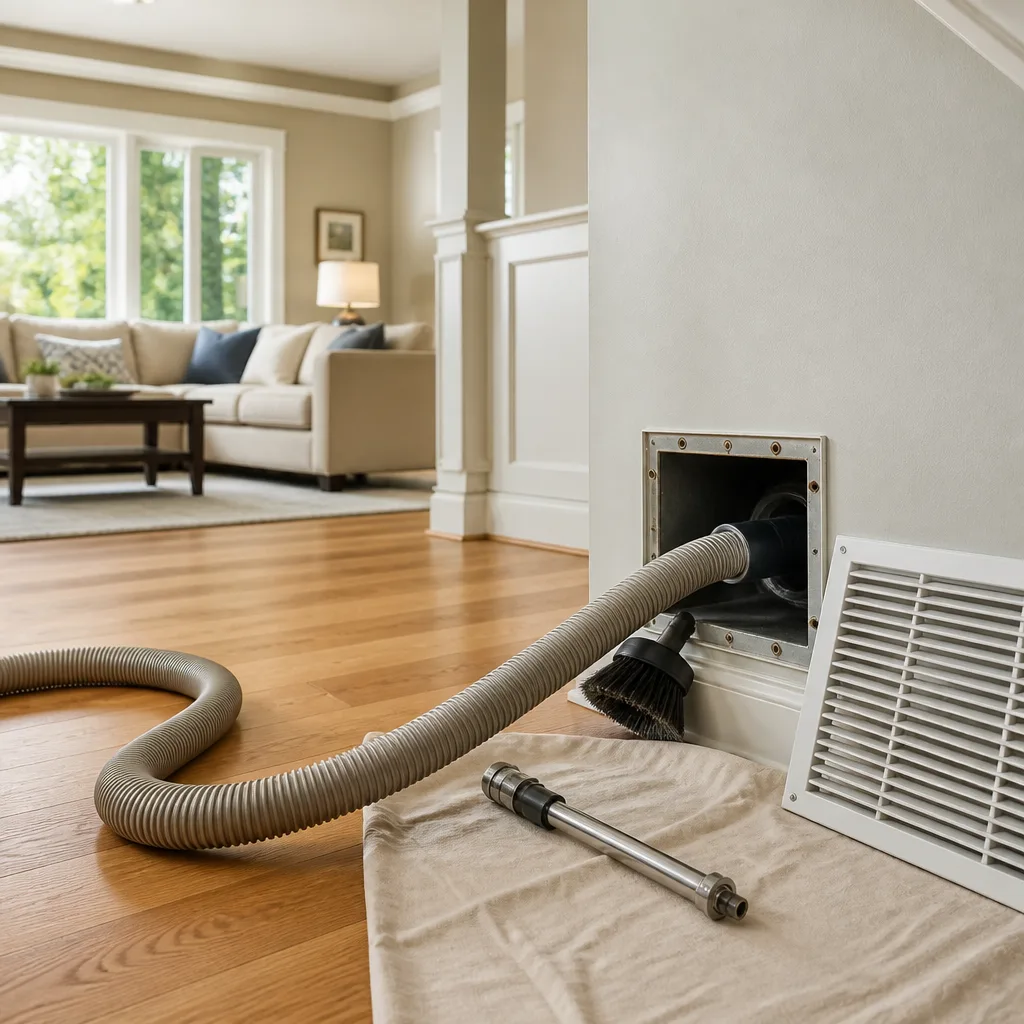 Whole-home duct cleaning
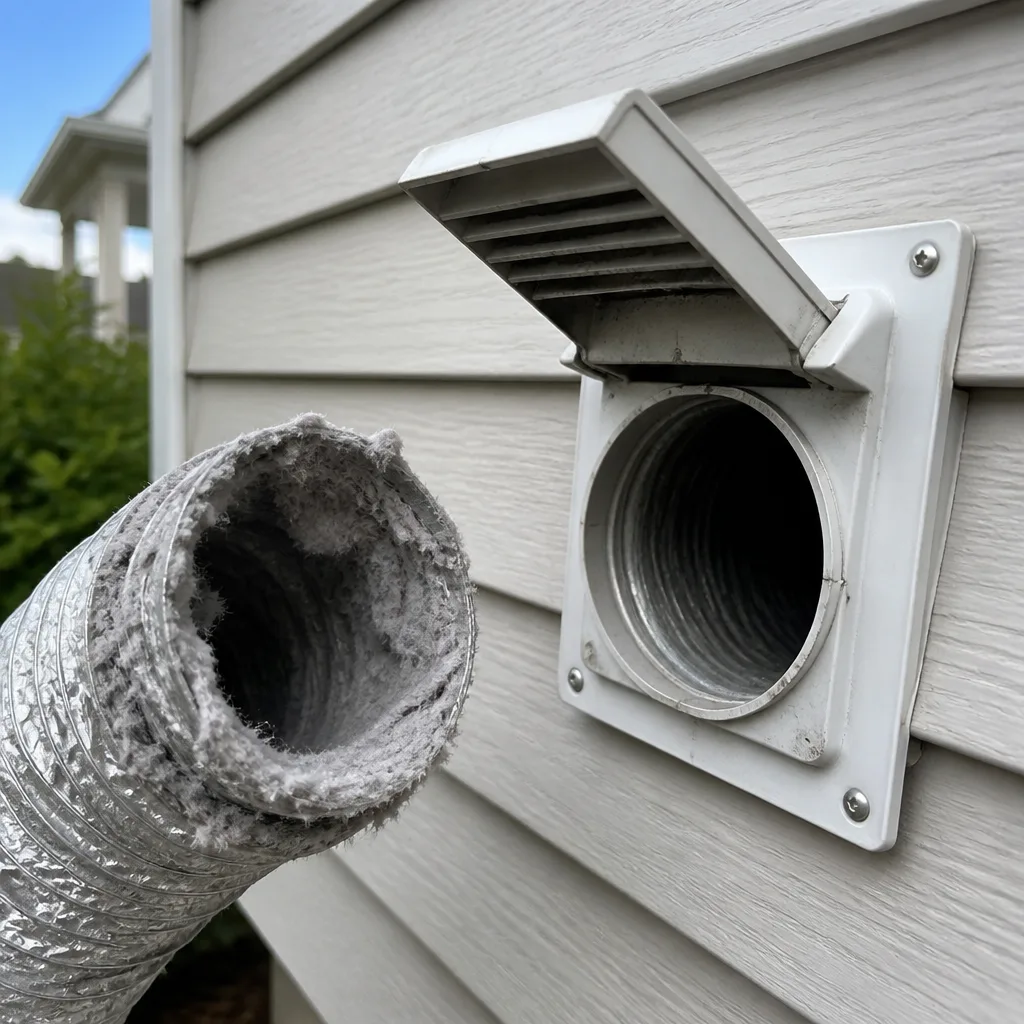 Dryer vent cleaning
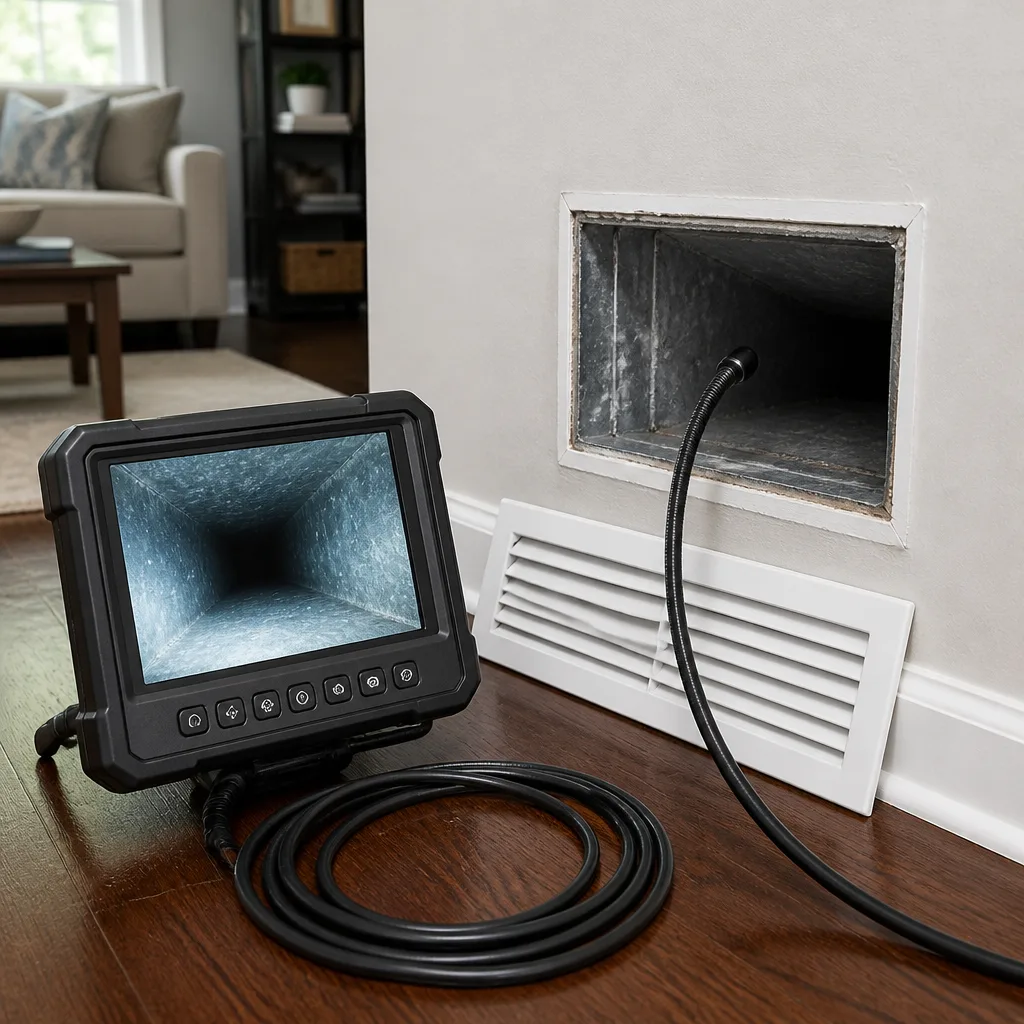 Camera inspection
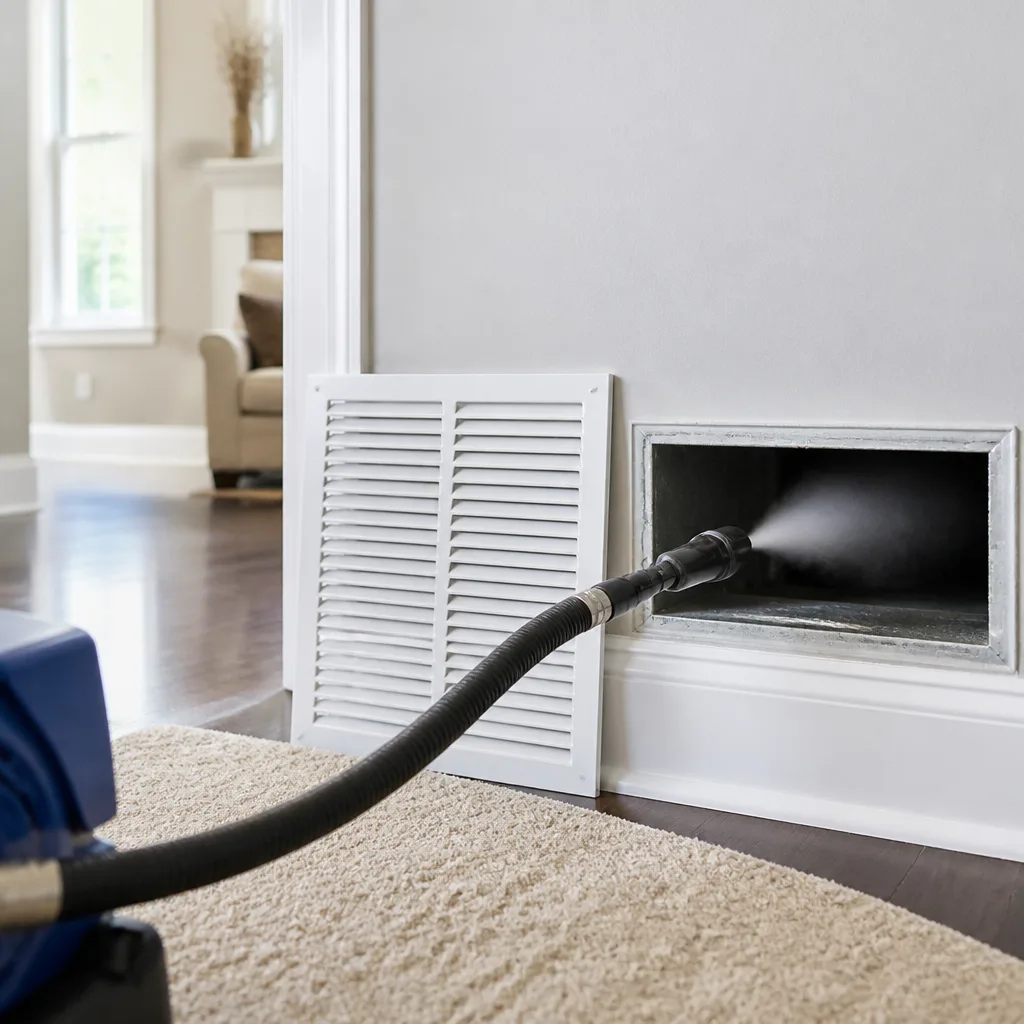 Sanitizing & deodorizing
Whole-system duct and dryer vent check with before-and-after photos - you see exactly what came out of your vents
That "$99 whole-house special" is a bait ad - the real number appears once they are in your hallway, or the "clean" is a shop-vac at the register. We photograph the inside of your ducts before and after instead.
DIY vs Professional Air Duct Cleaning: The Wheat Ridge Homeowner’s Decision Guide
A shop vac pulls roughly 60 cubic feet per minute of air. A professional duct cleaning machine pulls 4,000 to 8,000. That gap isn’t a marketing number. It’s the line between vacuuming a register cover and actually pulling years of debris out of a trunk line. Most DIY-versus-pro guides skip the physics and compare sticker prices instead, which is why so many Wheat Ridge homeowners rent a vacuum, spend a day on it, and end up no better off. This guide draws the capability line honestly: what consumer tools can finish, where they physically stop, and how to decide for your own house.
Quick Answer
DIY air duct cleaning is worth doing for register grilles, accessible collar vacuuming, and short straight dryer vent runs. It cannot clean a main trunk line, a supply plenum, a return air chase, or anything behind finished walls, because consumer equipment can’t generate the negative pressure those spaces require. For post-renovation debris, mold suspicion, rodent activity, or a system that hasn’t been cleaned in 10+ years, professional cleaning is the only option that reaches the contamination.
Styles & brands we work with
- Whole-home duct cleaning
- Dryer vent cleaning
- Camera inspection
- Sanitizing & deodorizing
Table of Contents
- The Physics Problem: Why Suction Numbers Matter
- What DIY Duct Cleaning Can Genuinely Accomplish
- Where DIY Physically Cannot Reach
- When Professional Cleaning Isn’t Optional
- An Honest Cost Comparison
- The Middle-Ground Approach for Cost-Conscious Homeowners
- How to Evaluate a Professional Quote
- Common Mistakes to Avoid
- When to Call a Professional
The Physics Problem: Why Suction Numbers Matter
The number that separates consumer tools from professional equipment is CFM, or cubic feet per minute of air movement. A standard wet/dry shop vac in a home garage runs around 60 CFM at the hose. A truck-mounted or portable professional duct cleaning system built by a brand like Nikro or Rotobrush runs 4,000 to 8,000 CFM. That’s a factor of roughly 70 to 130, and it isn’t a comfort feature. It’s the entire mechanism by which debris actually leaves a duct.
Duct cleaning isn’t really about suction in the way a shop vac is. It’s about creating controlled negative pressure across an entire duct system so that when a mechanical agitator breaks debris loose inside a run, the air stream carries it back to a collection point instead of letting it settle 12 feet downstream. You need three things working at once: enough airflow to keep debris suspended, a mechanical brush or whip to knock caked material off duct walls, and HEPA-level filtration at the collection end so nothing blows back into the house. Professional setups like those built around Abatement Technologies filtration equipment handle all three. A shop vac handles none of them at scale.
Here’s the practical consequence for a Wheat Ridge home. Most houses here have forced-air systems with trunk lines running through basements, crawlspaces, and attic chases. A shop vac hose can reach the first few feet past a register collar. It cannot move air through 30 feet of rectangular galvanized trunk, which means the debris sitting in that trunk stays there no matter how thoroughly the grille gets wiped down. If you’ve ever vacuumed a register, felt satisfied, and then watched dust reappear on the same shelf two weeks later, you already know how this works.
The good news is that this is a clean, decidable line. You don’t have to guess whether you’re competent enough for DIY. You just have to know which components your equipment can physically clean and which it can’t.
What DIY Duct Cleaning Can Genuinely Accomplish
Consumer tools do real work in specific places, and pretending otherwise would be dishonest. A homeowner with a shop vac, a brush attachment, and an afternoon can meaningfully improve several components of a duct system without overreaching. Here’s what falls legitimately inside DIY scope:
- Register grilles and diffusers. Removing the cover, washing it, and wiping the boot collar behind it removes the visible dust layer that homeowners actually notice. This is the highest-value-per-minute DIY task on the list.
- Accessible duct collars. The first 6 to 12 inches of duct immediately behind a register are reachable with a hose and brush. Vacuuming that segment reduces the dust that falls back into the room when the system cycles.
- Return air grilles. These collect more dust than supply registers because they pull room air continuously. Wiping them down and vacuuming the immediate chase is a legitimate maintenance task.
- Short, straight dryer vent runs. If your dryer vent exits directly through an exterior wall with a run under about 6 feet and no more than one 90-degree turn, a dryer vent brush kit and a shop vac can clear lint buildup. This matters, because lint accumulation in dryer vents is one of the leading causes of residential fires, and it’s a component many duct-only operators skip entirely.
- Exterior vent caps and screens. Debris, nests, and lint trapped at the exterior termination can be cleared and inspected from outside.
What ties these together is reach and pressure. Every item on that list is within arm’s length, on the surface, or a straight shot of a few feet. DIY works where the tool’s airflow doesn’t have to carry material any significant distance. That’s the honest boundary.
Where DIY Physically Cannot Reach
This is the section most guides won’t write, because admitting it means admitting there’s a whole category of work homeowners can’t do themselves. That’s not the point. The point is that a shop vac has a physical limit, and the limits of a typical Wheat Ridge duct system sit well beyond it. Here’s where the wall is:
- Main trunk lines. These are the large rectangular runs that distribute air to branch ducts. Debris accumulates along the bottom pan of a trunk line, especially in systems that run through cooler basement or crawlspace areas where condensation forms. A shop vac hose may reach 8 feet into a 30-foot trunk. Debris pushed beyond that stays put.
- Supply plenums. The plenum is the box directly above the furnace or air handler where all supply runs connect. It usually has no accessible opening other than the furnace connection, and accessing it without disturbing the system requires the panel to be removed and resealed by someone who knows what they’re doing. Diyers should not open a furnace plenum.
- Return air chases. Return chases are often built as panning or wall cavities rather than dedicated ducts, especially in older Wheat Ridge housing stock. They can collect decades of dust and cannot be reached from either end without creating an access point.
- Runs behind finished walls and ceilings. The majority of ductwork in a finished house is inaccessible except through register openings. Nothing but controlled negative pressure crosses that distance.
- Furnace and air handler interior components. The evaporator coil, blower wheel, and drain pan collect dust from the airstream. Those require panel removal, cleaning with the right products, and reassembly that maintains the cabinet seal.
If your house has flexible ductwork, the limitation gets worse. Flex duct is corrugated, which means debris lodges in the ribs continuously along its length. Only a rotating brush system run at professional pressure can clean those ribs thoroughly. That’s the kind of work that uses equipment built for it, like a Rotobrush system, and it’s not something a homeowner with a shop vac and a Saturday can replicate.
When Professional Cleaning Isn’t Optional
Some situations don’t call for a judgment call. In each of these scenarios, professional cleaning is the only route that actually resolves the problem, and trying to DIY first usually just delays it:
- Post-renovation debris. Drywall dust is the worst possible thing to let circulate through a forced-air system. It’s fine enough to coat every interior surface, it clogs filter media and evaporator coils, and once distributed it takes a professional-grade HEPA collection system to remove safely. If you’ve done a remodel or had contractors working in the house, get the ducts cleaned before you run the system for any extended period.
- Mold suspicion. If you smell musty air or find visible discoloration at a register, or if the system has had water intrusion, professional inspection matters more than anyone’s instinct. Homeowners can’t safely reach the surfaces where mold actually establishes on duct lining, and disturbing it with a shop vac risks spreading spores through the house. This is a job for a trained technician with proper filtration equipment.
- Rodent activity. Droppings, nesting material, and urine scent in ductwork require cleaning and sanitizing, not just removal. Professional duct cleaning paired with air quality sanitizing, using products familiar to a company that works with Honeywell and Aprilaire air quality equipment, is the appropriate response. Consumer tools will not adequately decontaminate.
- Systems that haven’t been cleaned in 10+ years. A system with a decade of undisturbed accumulation has layers of debris that consumer tools can’t loosen. Professional cleaning gets the system to a baseline, and from that baseline you can maintain it DIY afterward.
- Any suspicion of duct damage or disconnection. Leaky, disconnected, or collapsed ductwork needs repair and sealing before cleaning makes sense. Pulling debris out of a system with gaps doesn’t accomplish much. This is where duct repair and sealing becomes part of the same job.
An Honest Cost Comparison
Cost is where the DIY case usually gets made badly, because it compares a $60 shop vac rental to a professional quote and calls it a day. That comparison skips the only question that matters: does the cheaper path actually clean the system? Here’s a straight comparison based on scope, not sticker price.
- DIY with rented shop vac and brush kit: you’ll spend a modest amount on rental and maybe a dryer vent brush. It genuinely cleans registers, collars, and short dryer vent runs. It leaves the trunk lines, plenums, chase cavities, and furnace components untouched.
- Professional air duct cleaning in Wheat Ridge: the whole system is cleaned – trunk lines, plenums, branch runs, and accessible components – using suction and mechanical agitation at professional pressures. A written estimate sets the price, and the price is per system, not per vent.
The real distinction is coverage. If you rent a shop vac and get register grilles and collars, you’ve spent less and cleaned maybe a quarter of the accessible surface. A professional cleaning hits all four zones: registers, trunks, plenums, and the air handler. When measured against the percentage of duct system actually cleaned, the cost gap narrows considerably. When your household includes asthma, allergies, or an infant, the coverage number matters far more than the sticker price. Get a written estimate for your specific system and compare it against what a rental actually cleans. Very often the DIY savings evaporate once you account for the parts of the system you can’t reach.
One more piece of honesty that cuts against us: not every house needs professional cleaning. A newer home with clean ductwork, annual filter changes, and no recent renovation may only need register maintenance. A professional should tell you that. Any quote that answers “how often” with a hard number before seeing your system is guessing.
The Middle-Ground Approach for Cost-Conscious Homeowners
For homeowners who want a clean system without either the cost of full-service cleaning every few years or the false comfort of DIY-only, there’s a maintenance schedule that works. The principle: use professional cleaning to get and keep the system at a baseline, then handle the routine tasks that don’t require professional reach.
- Start with a professional cleaning if the system is 10+ years old, post-renovation, or has never been touched. This gets the whole system to a known-clean baseline.
- Change the filter on the schedule your system actually needs. A standard 1-inch filter every 60 to 90 days, more often during allergy season or if you have pets. This is the single highest-return maintenance task in an HVAC system.
- Vacuum and wipe every register grille once or twice a year. Remove the cover, wash it, brush the collar behind it. Ten minutes per register.
- Clean the dryer vent every 6 to 12 months on a short straight run, or call a specialist for longer runs with multiple turns. Lint buildup is a real hazard and this task is often overlooked.
- Watch for warning signs: recurring dust on horizontal surfaces shortly after cleaning, musty odors when the system starts, visible debris at registers, or unusual HVAC noise. These all point to a problem DIY can’t resolve.
- Reassess professionally if the household changes (new pets, renovation, a new baby), or if you notice a warning sign.
This schedule also lets you address a different category of problem properly: duct repair and sealing. Many Wheat Ridge homes run forced air through ductwork that has loosened connections at the collar, disconnected boots behind walls, or joints that never got sealed at install. That’s not a cleaning problem, and no cleaning effort, DIY or professional, fixes it. Sealing gaps and reconnecting runs is a repair task, and it can coincide with a cleaning visit if the right company is on the job. Ask about duct repair and sealing during the same visit that cleans the system.
How to Evaluate a Professional Quote
If you decide to hire a professional, the quote deserves the same scrutiny as the DIY decision. The industry has a reputation issue with bait pricing – a low advertised number that becomes a much larger invoice once the technician is on site. Here’s how to protect yourself:
- Ask for a flat price per system, in writing. Not per vent, not per register, not a coupon price adjusted at the door. A legitimate professional should be able to quote the whole system based on what they see and hear during an on-site assessment.
- Ask what equipment will be used. Specific names matter. A company using Rotobrush or Nikro mechanical cleaning systems and Abatement Technologies HEPA-level filtration is doing the work with tools built for it. If the answer is vague, that’s information.
- Ask whether duct repair and sealing are part of the scope. A pure-cleaning operator will clean around leaks and disconnections and leave them for someone else. A full-scope operator can address them.
- Ask about before-and-after photos. Photos of the actual system, before and after, are the only way to know the work happened as described. Any professional should offer them.
- Read the estimate for hourly add-ons, “discovered issues,” and upsells. The written estimate should state what’s covered and what isn’t, with the final price set by what’s in writing.
None of this replaces seeing the system, but these questions will separate a straightforward quote from a sales pitch. Our technicians have up to 10 years of experience, and in that time the pattern that separates an honest quote from a bad one has been consistent: the honest one names the equipment, sets a per-system price, and offers to show you photo documentation without being asked.
Common Mistakes to Avoid
- Skipping the filter change and blaming the ducts. Dusty air in a Wheat Ridge home is very often a filter problem, not a duct problem. A dirty filter starves the system and lets bypass dust circulate. Change it on schedule before you spend money on cleaning.
- Using a shop vac on a system that’s actively running. The system pulls air in through returns. A shop vac on a register without the system off can draw dust back into the ductwork. If you’re going to DIY the collars, turn the HVAC off first.
- Assuming all duct cleaning prices are comparable. A low advertised price that “grows” when the technician is on site usually means per-vent pricing hidden behind a headline number. Insist on a flat per-system price in writing.
- Sticking a brush in the furnace. The blower wheel, evaporator coil, and plenum are not DIY territory. Improper access can damage components and compromise the cabinet seal. Leave the interior of the air handler to a professional.
- Ignoring the dryer vent. Many duct cleaning shops stop at the HVAC system. Dryer vent maintenance is a separate task, and it’s a leading cause of residential fires. If your vent run is over 6 feet or has multiple turns, don’t just brush it and hope.
- Hiring a duct-only operator for a mold or rodent problem. Cleaning that removes debris but leaves contamination in place doesn’t solve the problem. Air quality sanitizing belongs in the scope when a technician finds mold or pest activity.
- Not asking about duct sealing. Cleaning a leaky system cleans it, but the leaks will pull dust right back in. Sealing is the root-cause fix that turns a clean system into a clean system that stays clean. Ask about it explicitly.
When to Call a Professional
Call a professional if any of these apply: the system is 10+ years old and hasn’t been cleaned, you’ve recently renovated, you suspect mold or find rodent evidence, you see recurring dust on surfaces after cleaning, you notice a musty smell when the system cycles, or your dryer vent run is long or has multiple turns. Any of these scenarios sits beyond what DIY equipment can honestly handle. Wheat Ridge Air Duct Cleaning offers free estimates in Wheat Ridge. Call (855) 550-7950. We answer 24/7. Fast dispatch from 7am to 7pm, Sunday through Friday.
See the difference
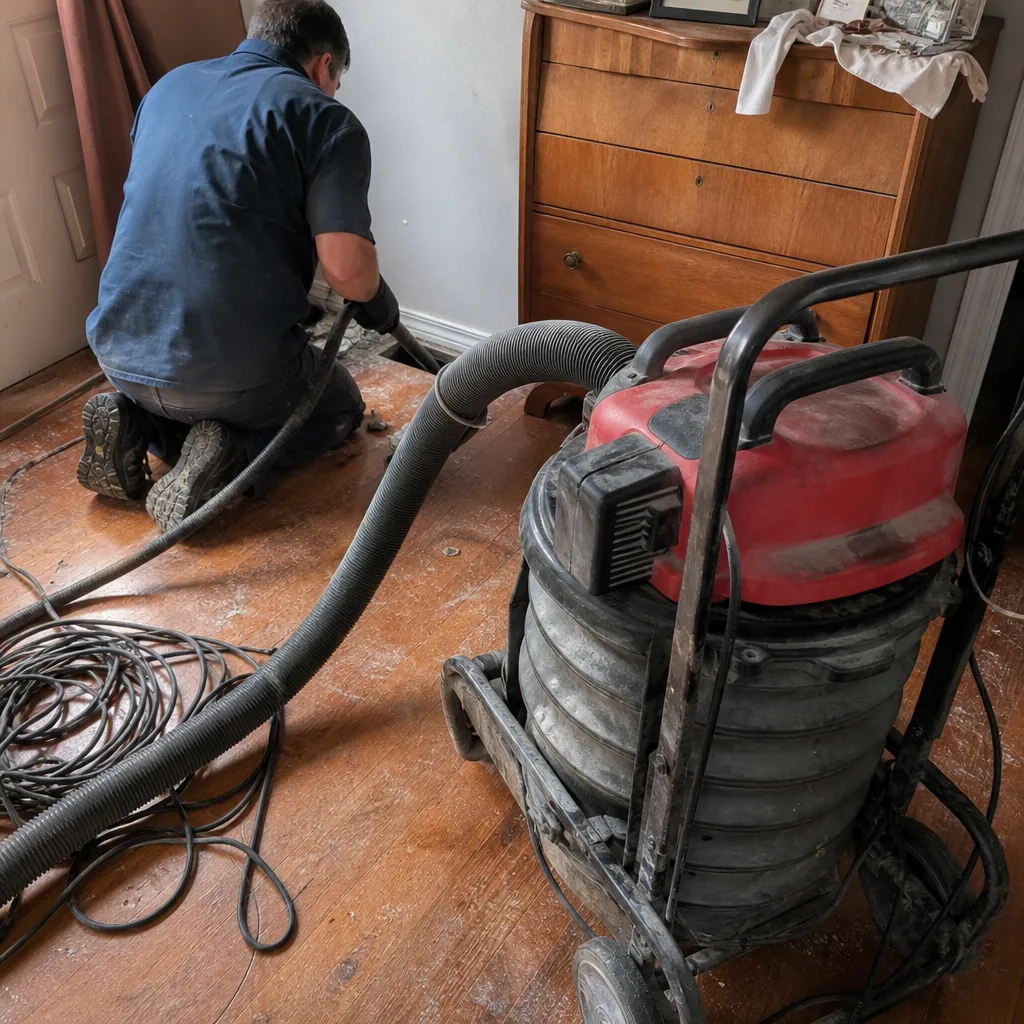 Before
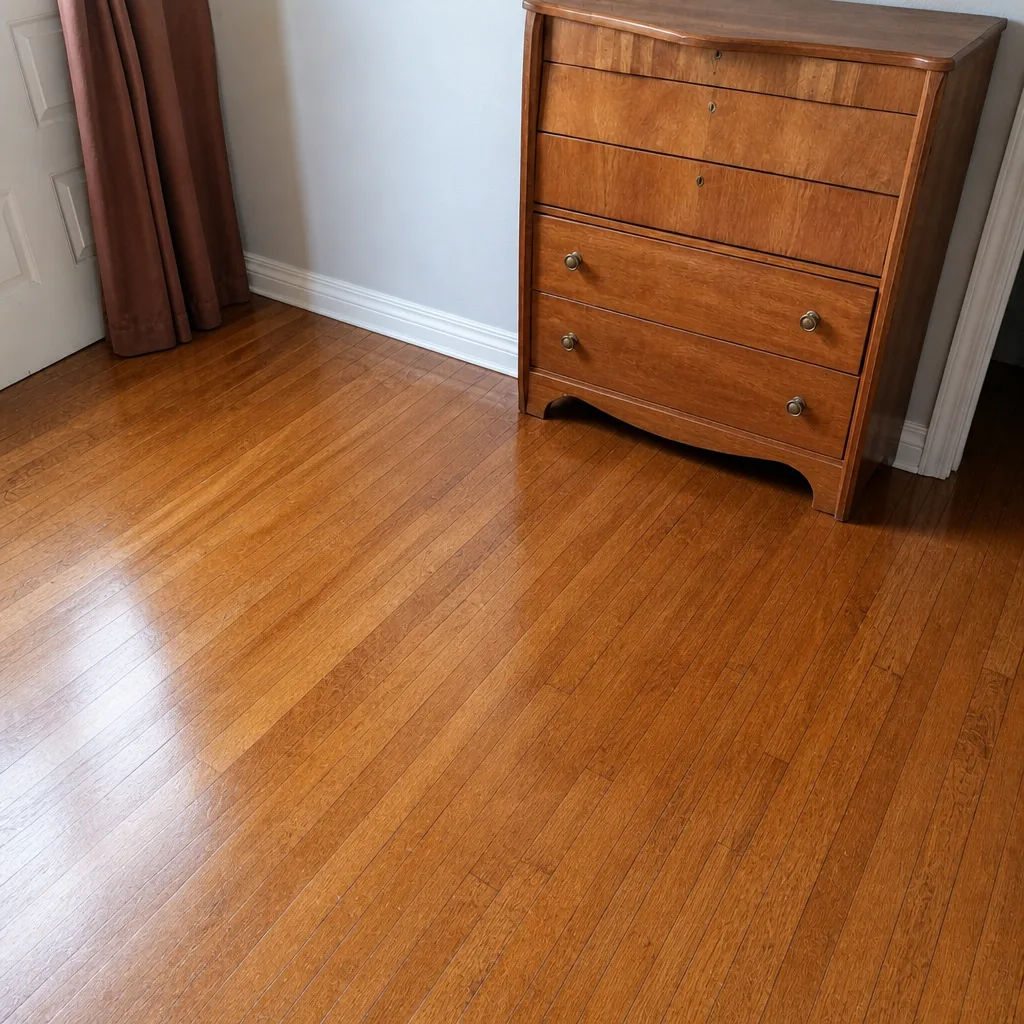 After
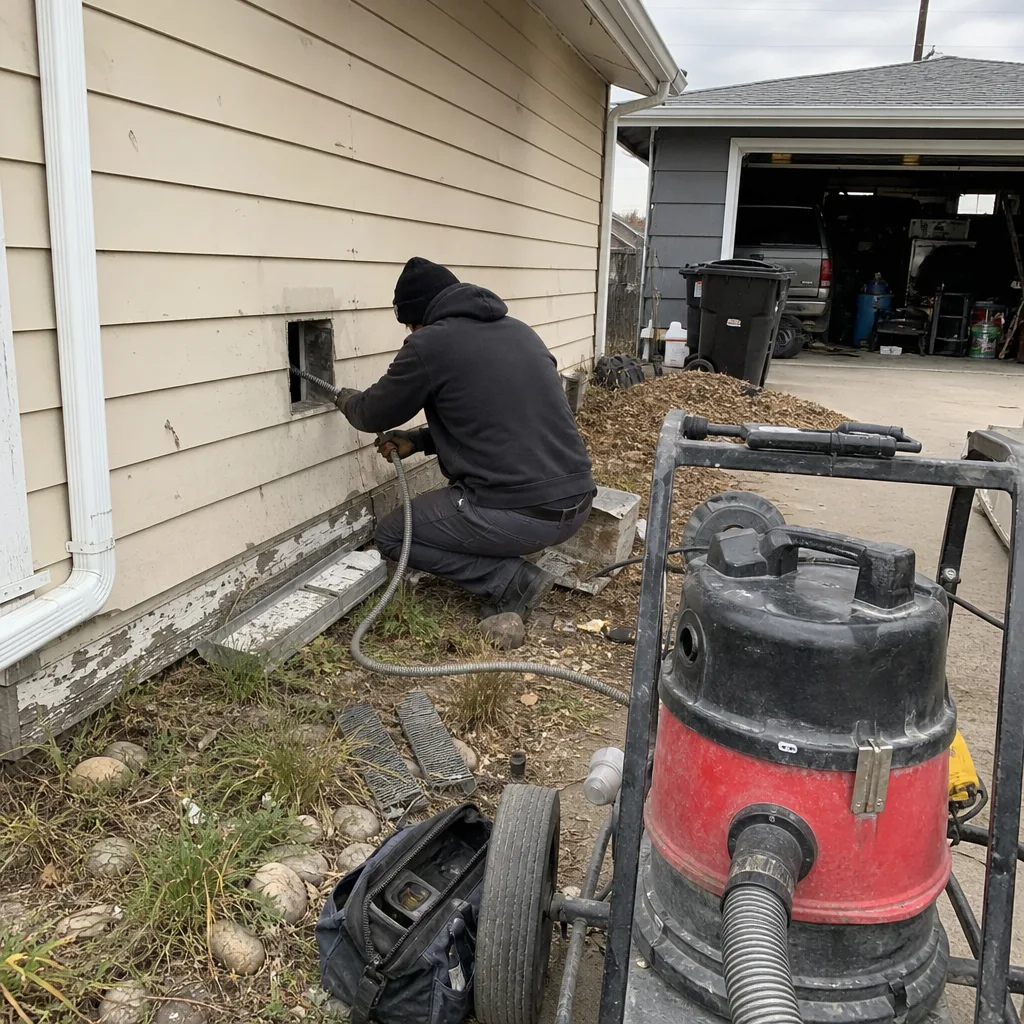 Before
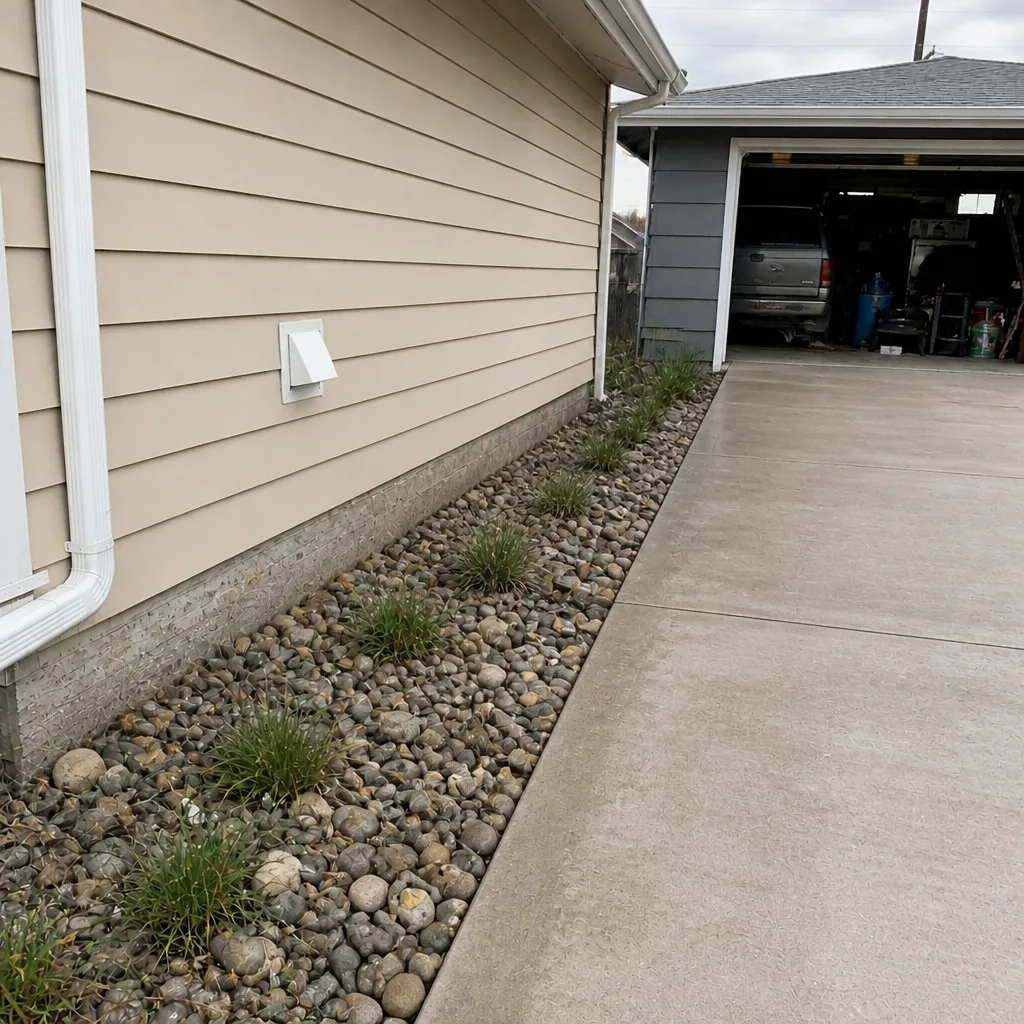 After
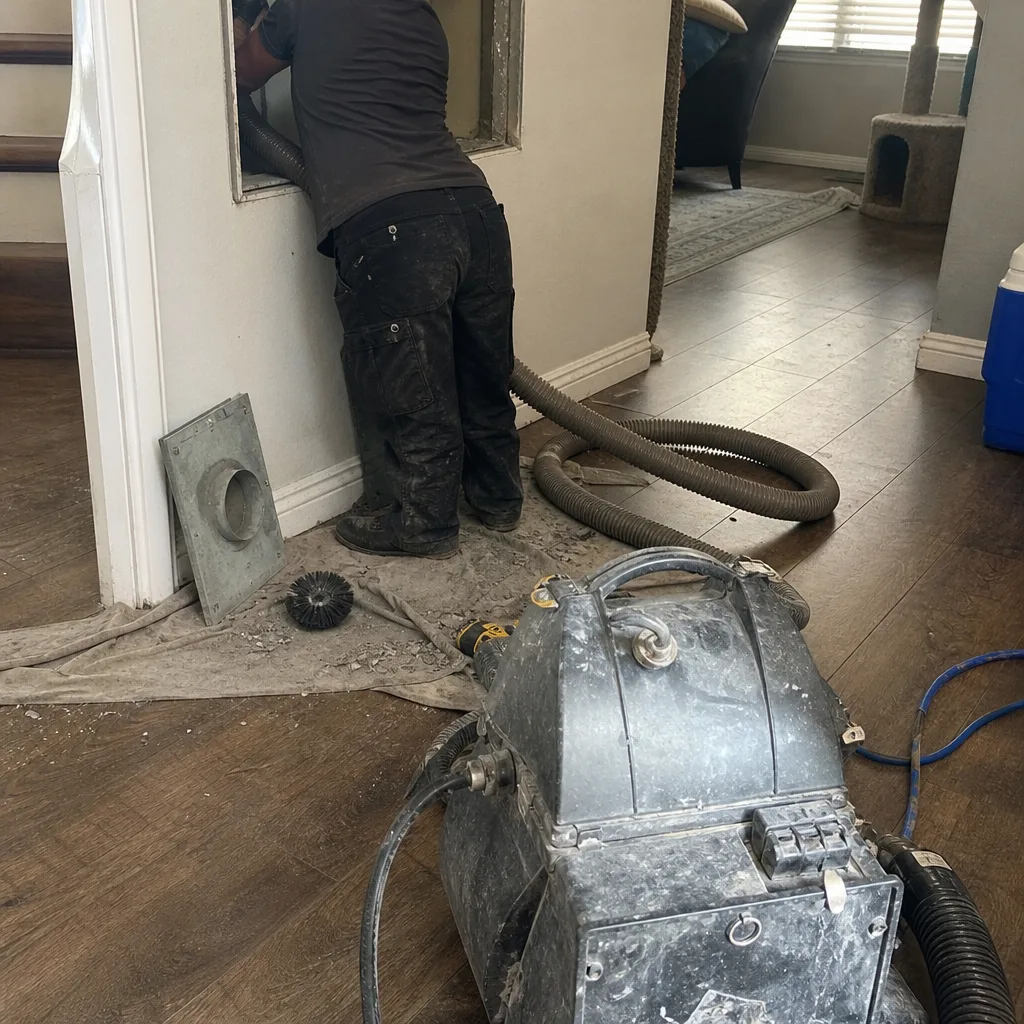 Before
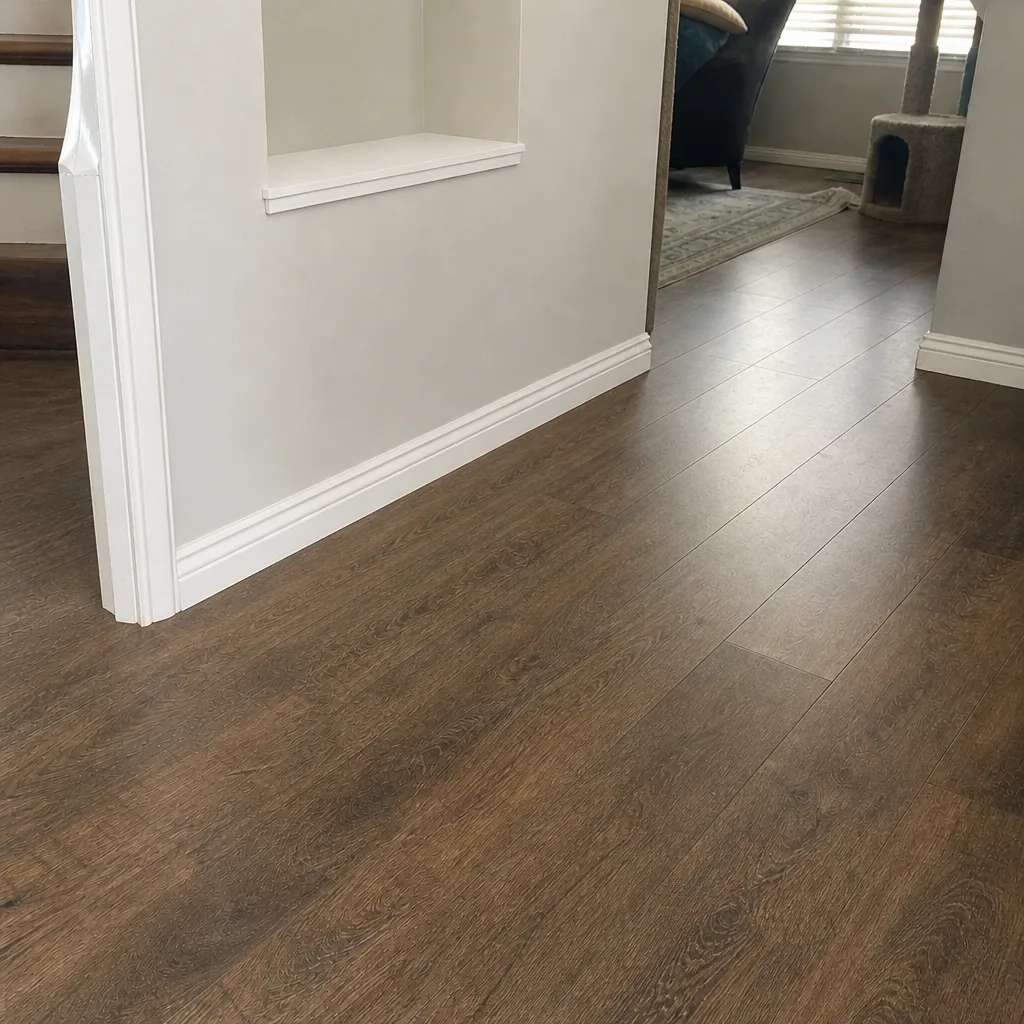 After
Frequently Asked Questions
Professional air duct cleaning in Wheat Ridge is priced per system, not per vent, and the written estimate sets the final price. Whole-system cleaning typically runs higher than a shop-vac rental, but the scope covers trunk lines, plenums, and the air handler, which rental equipment cannot reach. Call (855) 550-7950 for an exact quote – estimates are free.
Not inherently, though some components require caution. Vacuuming registers and dryer vent runs is low-risk if you turn the system off first. The danger enters when homeowners open furnace panels, attempt to clean the blower or evaporator coil, or disturb suspected mold without proper filtration. Those tasks belong to a trained technician.
The cheapest quotes are often per-vent teaser prices that expand once the technician is on site, or they cover only surface-level vacuuming without reaching trunks and plenums. A flat per-system price agreed before work starts, backed by before-and-after photos of your own ducts, is the reliable comparison. Call (855) 550-7950 to get an honest quote.
Before-and-after photos of your own duct system are the standard. Any professional who cleans the system should be willing to show you what the trunk lines, plenums, and air handler looked like before the work and what they look like after. Ask for them upfront when you get an estimate.
There’s no universal interval. Homes with pets, allergies, recent renovation, or older systems generally benefit from more frequent cleaning than newer homes with clean ductwork. A professional who inspects your system before quoting a schedule is more credible than one who quotes a fixed “every X years” number sight unseen. Call (855) 550-7950 to schedule an inspection.
Yes, mostly from the wrong tools applied to the wrong components. A shop vac shoved into a flex duct can tear the liner, and opening a sealed furnace panel without proper resealing affects airflow. The mechanical systems like Rotobrush that professional technicians use are designed to clean duct walls without damaging the duct material. That’s part of why the right equipment matters.
The Bottom Line
DIY duct cleaning is a legitimate maintenance task for register grilles, accessible collars, and short dryer vent runs. It reaches a real boundary at the main trunk lines, supply plenums, return chases, and ductwork behind finished walls, because consumer equipment can’t generate the airflow professional tools produce. When the system has never been cleaned, is post-renovation, or has a mold or pest issue, professional cleaning is the only route that solves the problem. For everyday maintenance between professional cleanings, DIY works. Get an honest per-system estimate when the system needs more, and know exactly what you’ll pay before anyone shows up.
Ready to compare? Call (855) 550-7950 for a free estimate. We answer 24/7. Fast dispatch from 7am to 7pm, Sunday through Friday. You’ll get a flat price per system in writing, before-and-after photos of your own ducts, and one visit that can cover cleaning, repair, and air quality sanitizing under the same roof.
Written by the team at Wheat Ridge Air Duct Cleaning.