
Last updated November 25, 2026
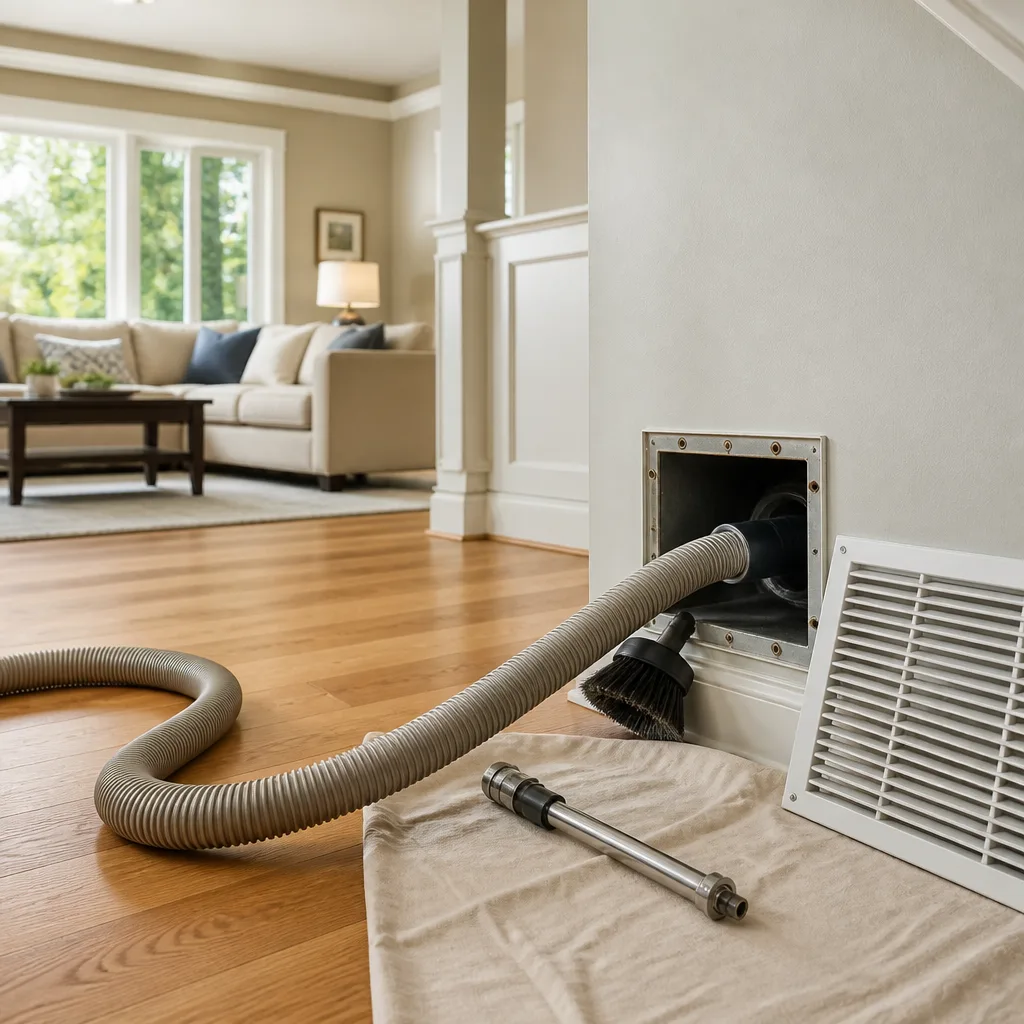 Whole-home duct cleaning
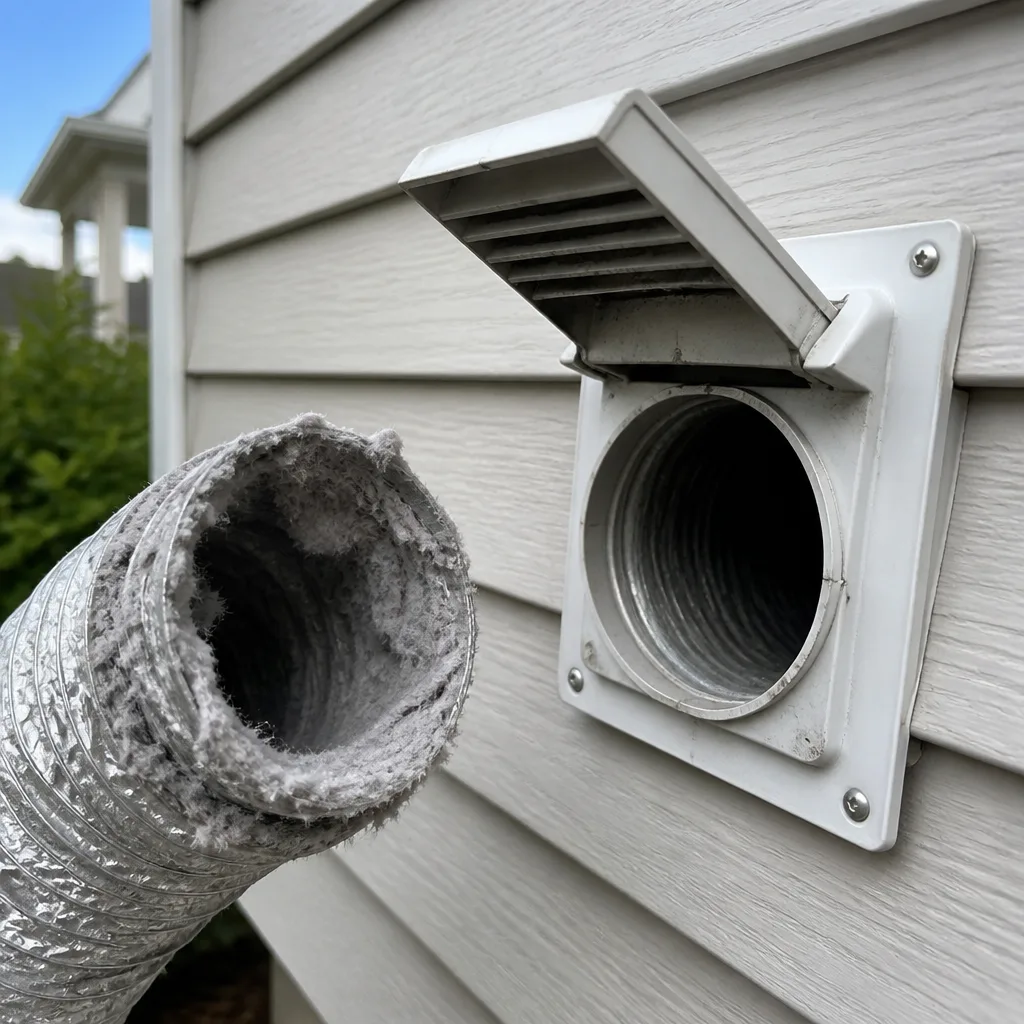 Dryer vent cleaning
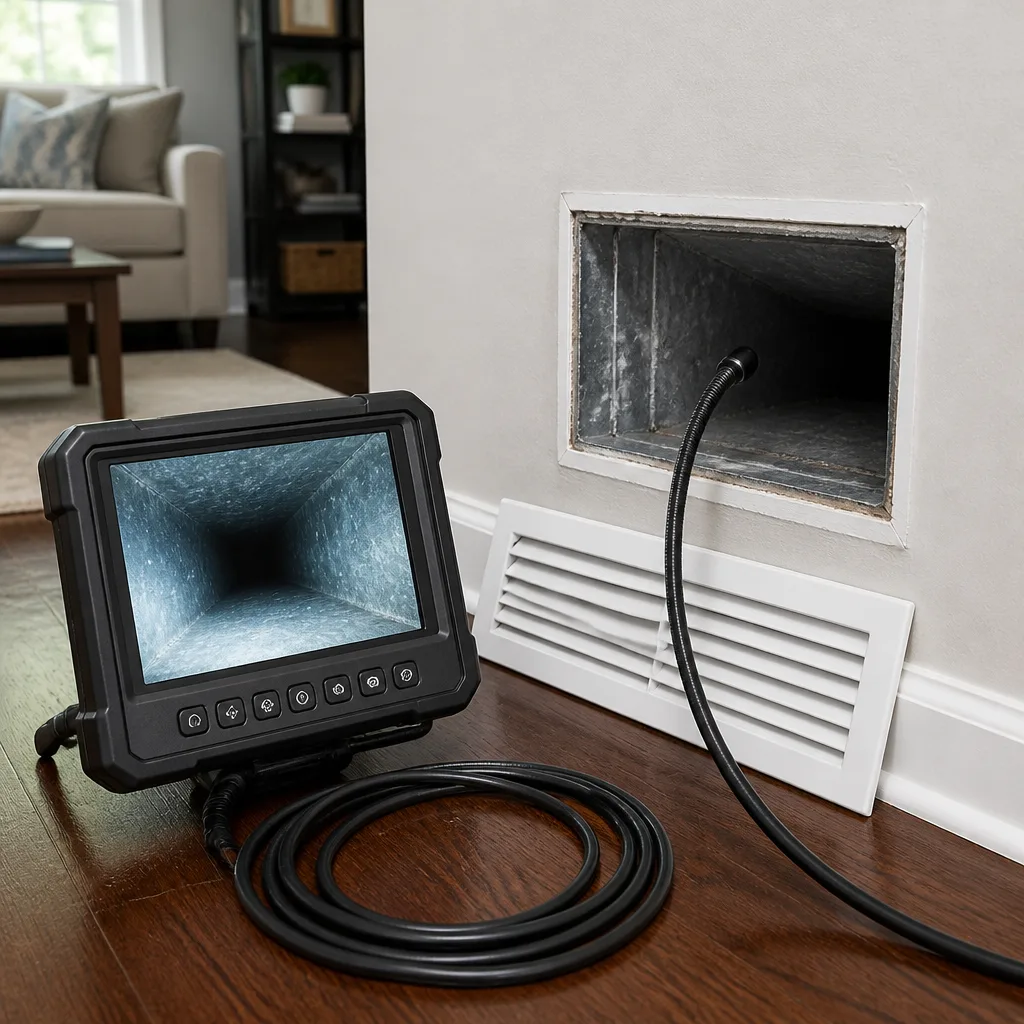 Camera inspection
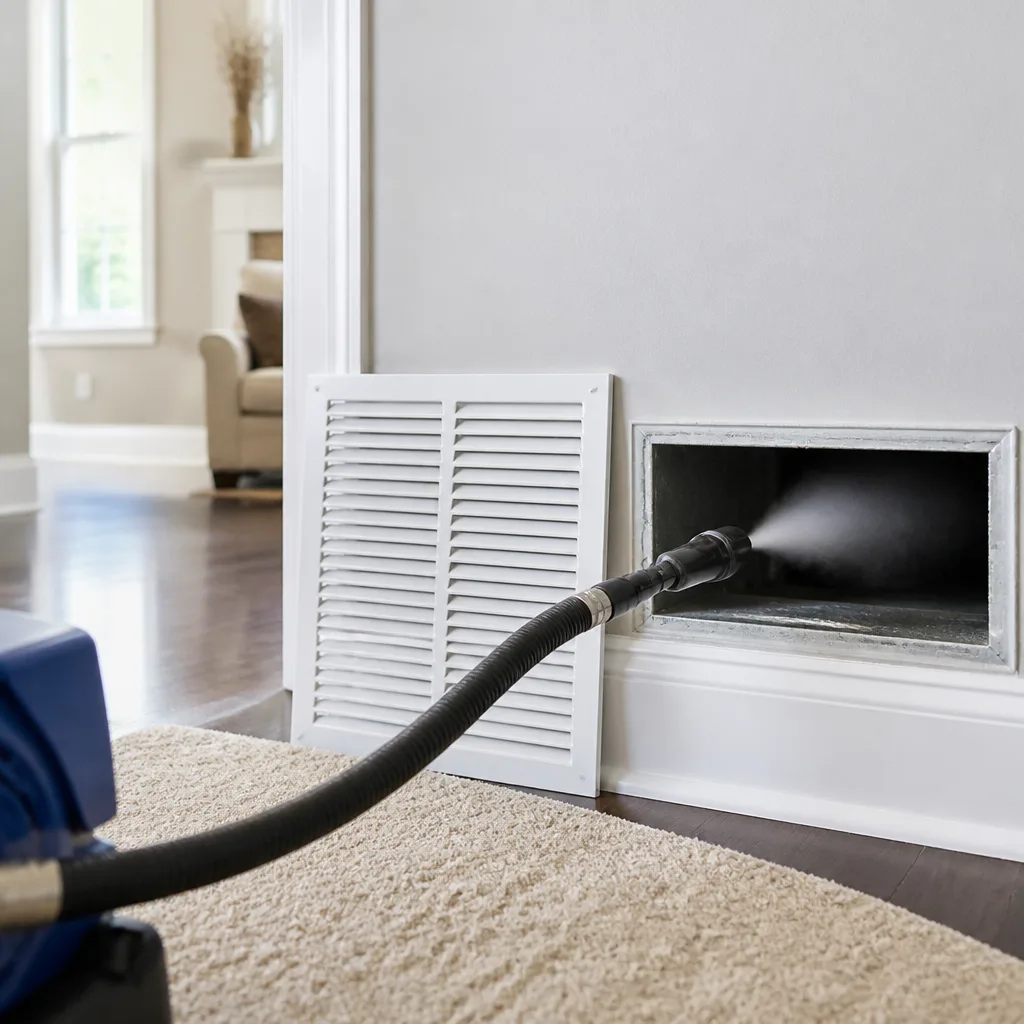 Sanitizing & deodorizing
Whole-system duct and dryer vent check with before-and-after photos - you see exactly what came out of your vents
That "$99 whole-house special" is a bait ad - the real number appears once they are in your hallway, or the "clean" is a shop-vac at the register. We photograph the inside of your ducts before and after instead.
Air Duct Cleaning Warning Signs: A Wheat Ridge Homeowner’s Reference Guide
The sign most Wheat Ridge homeowners notice last is the one they trust most: dust on the register. By the time the face of a supply grille is gray enough to catch your eye, debris has usually been collecting inside the trunk line for years. What looks like a cosmetic problem is actually a late indicator. The earlier signals are quieter – uneven room temperatures, filters that load up too fast, a pattern of symptoms that tracks with airflow instead of the season. This guide walks through the physical evidence in order of how early it shows up, so you can read what your duct system is telling you before the visible dust arrives.
Quick Answer
Air duct cleaning in Wheat Ridge is usually worth scheduling when you see systemic evidence: dust patterns that repeat across multiple registers, filters that clog in weeks instead of months, uneven room temperatures, or a known trigger event like water intrusion, rodent activity, or renovation dust. A little dust on one grille is normal. A pattern that points to contamination inside the duct trunk is the actionable signal, and that’s what a professional inspection separates out.
Styles & brands we work with
- Whole-home duct cleaning
- Dryer vent cleaning
- Camera inspection
- Sanitizing & deodorizing
Table of Contents
- Register-Level Evidence: Reading What’s Actually on the Grille
- System-Level Performance Signals Most People Miss
- Occupant Health Patterns That Point to Ducts
- Post-Event Triggers: When to Inspect Immediately
- Cosmetic Dust vs. Systemic Contamination: No Tools Needed
- Filter Loading Rate: The Most Reliable Early Signal
- What Older Wheat Ridge Housing Stock Adds to the Problem
- When to Call a Professional
Register-Level Evidence: Reading What’s Actually on the Grille
Start at the registers because that’s where the duct system shows its hand first. Pull one supply grille and one return grille. What you’re looking for isn’t dust in general – it’s a pattern that tells you what kind of contamination is present and where it’s coming from.
Asymmetric dust patterns. If one register in a room is heavily coated and the matching register on the opposite wall is clean, that’s not a housekeeping issue. Uneven dust distribution across a room usually points to a boot collar that isn’t seated properly, a leaky branch connection, or a return path that’s pulling air through a contaminated cavity rather than through the return duct. A single dirty register is worth noting. Two registers on the same branch showing the same pattern is worth investigating.
Visible debris at the boot collar. The boot is the metal fitting that connects the duct trunk to the floor or wall opening. Shine a light up into the boot on a supply register. If you see loose material collecting at that collar – fibrous clumps, flakes, or a crusty film – that’s accumulation that migrated from further upstream. It doesn’t form there spontaneously.
Discoloration tells you the contamination type. This is where a lot of homeowners guess wrong:
- Gray or black soot-like film near a register close to a furnace or water heater suggests combustion byproducts are being drawn into the return path. That’s a call-a-professional-now signal, and it also warrants an HVAC inspection of the combustion appliance itself.
- Greenish-black, fuzzy, or musty-smelling material on a register in a bathroom, laundry area, or basement points toward moisture-driven biological growth. That’s the mold pattern, and it’s rarely isolated to the grille – it usually means the surrounding duct surface has been damp.
- Pink, yellow, or white fibrous material flakes are typically insulation fiber that’s broken down from the inside of duct liner or attic insulation drawn into the system. That’s a duct repair and sealing issue as much as a cleaning issue.
None of these require a moisture meter or a particle counter to spot. They require pulling a grille and looking with a flashlight.
System-Level Performance Signals Most People Miss
The duct system doesn’t just carry air – it determines how much air reaches each room and how hard the HVAC equipment has to work. When ducts degrade internally, the symptoms show up as HVAC problems. That’s the misread that sends homeowners shopping for a new furnace when they actually need a duct system evaluation.
Uneven room temperatures. A room that’s consistently 4 to 6 degrees off from the rest of the house, year-round, in both heating and cooling season, isn’t a thermostat problem. It’s an airflow problem. A partially collapsed or disconnected branch duct, a crushed flex run, or a boot that’s separated from the subfloor will starve that room of conditioned air no matter how well the equipment is running.
Unexplained HVAC short cycling. Short cycling is when the system runs in short bursts instead of full cycles. Restricted return airflow from a clogged or undersized return path is one of the most common causes. When the return can’t pull air back fast enough, static pressure rises, the blower works against it, and the equipment can hit its high-limit switch and shut down early. If a technician has already ruled out refrigerant charge and thermostat issues, the duct system is the next place to look.
Rising static pressure. Your HVAC technician can measure this on a service call. Static pressure that’s higher than the equipment’s rated maximum means the air handler is pushing against resistance – and accumulated debris on the interior duct walls is a common contributor. Once deposited material builds up inside the trunk, the effective duct diameter shrinks and airflow drops.
A whining or whistling sound at certain registers. That’s air moving too fast through a restricted opening. It usually means the duct path is partially blocked somewhere upstream of that register, or the branch is undersized for the room.
In our experience, homeowners in the Wheat Ridge neighborhoods that grew up around the older housing tracts along the foothills often report a mix of these signals at once – one cold room, a filter that clogs quickly, and a furnace that never seems to run a full cycle. That combination is the pattern worth a professional look.
Occupant Health Patterns That Point to Ducts
Health symptoms are the hardest signals to attribute correctly, because indoor air problems often have multiple sources. The key distinction is whether symptoms track with airflow rather than with ambient allergen load. That pattern points more specifically at the duct system.
Symptoms that worsen in specific rooms. If a family member has more congestion, sneezing, or eye irritation in one room of the house but not elsewhere, and that pattern holds across seasons, the problem is localized to that room’s air path. That can mean a contaminated branch duct, a leaky boot pulling in air from a crawlspace, or a return path that’s drawing air through a wall cavity. Ambient outdoor allergens don’t do that – they affect the whole house roughly equally.
Symptoms that spike in the first minutes of system startup. When the furnace or air conditioner kicks on and someone starts coughing or sneezing within a few minutes, the return path is delivering a bolus of accumulated material into the occupied space. That’s the classic dust-puff pattern, and it’s far more specific to ducts than general indoor air quality complaints.
Symptoms that improve when the system is off. If a month of summer with the system running produces more respiratory complaints than a month with it idle, the duct system is a reasonable suspect. If symptoms are the same with the system running or off, the source is more likely ambient allergen load, pets, or outdoor air quality – Wheat Ridge sits in the Front Range ozone corridor and seasonal air quality does affect the region.
New or recently worsened symptoms after a known exposure event. A renovation, a water leak, a rodent discovery, or new insulation work can introduce contaminants into the duct system that take weeks to show up in symptoms. If the timing lines up, that’s a signal to inspect, not wait.
None of this is a diagnosis. It’s a pattern recognition tool. A physician handles the health side; a professional duct evaluation handles the system side.
Post-Event Triggers: When to Inspect Immediately
Some events overwhelm the normal warning-sign timeline and call for a duct inspection right away, regardless of whether you’ve seen any other symptoms. These are the events we ask about on every free estimate in Wheat Ridge, and they’re the ones most homeowners don’t connect to their ducts.
- Water intrusion anywhere near the duct system. A supply line leak, a roof leak that runs into the attic, a basement flooding event, or a slow drip onto a duct run can wet the interior surfaces. Once duct liner or flex duct interior gets wet, it supports biological growth. If the water event happened within the last 60 days, that’s the window to inspect.
- Rodent activity in the attic, crawlspace, or walls. Mice and rats carry pathogens and deposit droppings, urine, and nesting material inside duct runs, especially in flexible duct that’s accessible from a crawlspace. Rodent droppings inside a duct system are a real hazard that a standard cleaning approach won’t fully address – it calls for HEPA-level filtration and containment. We use Abatement Technologies filtration equipment for exactly that reason.
- Renovation with drywall, insulation, or sanding work. Drywall dust is fine enough to pass through most return-side filters and distribute throughout the duct system. A renovation that generated meaningful drywall or insulation debris deserves a duct inspection within weeks of completion, not just a filter change.
- Fire, smoke, or soot damage nearby. Even a kitchen fire or a small furnace puff-back can leave combustion particles inside the duct system. Soot deposits inside ducts are a source of ongoing odor and air quality problems that won’t clear on their own.
- New HVAC equipment installation. When new equipment goes in, the existing ducts often carry years of accumulated debris that will reduce the new system’s efficiency. A duct cleaning at the time of installation is a sensible pairing.
Cosmetic Dust vs. Systemic Contamination: No Tools Needed
The single biggest cause of unnecessary duct cleanings – and unnecessary worry – is mistaking cosmetic register dust for systemic contamination. Here’s how to tell them apart without buying any test equipment.
Wipe test. Wipe one supply grille clean with a damp paper towel. Wait two weeks of normal system operation. Wipe again with a fresh white paper towel. If the second towel shows only trace dust, the register-level surface is doing fine. If the second towel shows a visible gray or black film, that material is coming from the system, not the room.
Compare registers on the same branch. If two registers serving the same area show meaningfully different accumulation, the pattern is not cosmetic. Even distribution is normal; uneven distribution suggests a leak, a disconnected branch, or a boot collar issue.
Check the return grille filter slot. The return filter is often the single best indicator of overall system dust load. If the filter slot itself has a visible layer of debris on its edges, or if the filter frame is coated, the return path is moving more material than it should.
Look at the air handler closet or mechanical room walls. Dust settling on the walls and shelves around the air handler usually means return-side leakage. That leakage draws air from the surrounding space into the system, and that air often comes from a crawlspace or attic – which is where the real debris is.
Listen for the puff. Start the system cold and put a hand near a supply register. A brief puff of material at startup is the classic indicator that debris has accumulated on the interior duct surfaces and is being disturbed by the airflow.
When you’re ready to look deeper, professional-grade equipment is what separates a real inspection from a guess. Rotobrush and Nikro mechanical cleaning systems, combined with dust-containment filtration, let a technician see what’s actually happening inside the trunk. In our experience, this is the step that turns “my house feels dusty” into a specific, actionable finding.
Filter Loading Rate: The Most Reliable Early Signal
Of all the signals a Wheat Ridge homeowner can watch, filter loading rate is the most reliable because it’s measured, not perceived. The filter is a single point that captures what the system returns. When it clogs faster than expected, the return system is moving more debris than it should.
How to track it. Write the installation date on a standard return filter with a marker. When you change it, note the number of days between changes. A filter that used to last three months and now lasts three to four weeks is telling you something specific: the return path has picked up enough material that the filter is seeing a heavier load than it used to.
What a normal rate looks like. Most 1-inch filters benefit from a change every 30 to 90 days depending on household conditions. Luxury 4-inch and 5-inch media filters typically last 6 to 12 months. If your actual interval is meaningfully shorter than the lower end of those ranges, or if it’s shortened abruptly from a previous stable pattern, the change is the signal.
What a high loading rate usually means. There are two common causes. The first is return-side leakage – the system is drawing air from a dusty space like a crawlspace or garage because of a disconnect or unsealed joint. The second is accumulated debris on the interior duct surfaces themselves, which becomes airborne under airflow and reaches the filter faster. In either case, the fix starts with identifying which one it is.
- Sealed and cleaned system, normal dust: filter interval stays within the expected range.
- Return leakage only: filter interval shortens, but duct interiors may still be reasonably clean.
- Accumulated interior debris: filter interval shortens, startup puffs and register dust patterns follow.
- Both issues together: most common in older Wheat Ridge homes where duct sealing was never addressed at installation.
This is where air duct cleaning and duct sealing work as a pair. Cleaning without sealing leaves the return draw pulling debris in from the same cavity. Sealing without cleaning leaves the accumulated debris in place. We seal the gaps, not just sweep the surface, because addressing the source is the only way the filter interval returns to a stable baseline.
What Older Wheat Ridge Housing Stock Adds to the Problem
Wheat Ridge has a housing mix that matters here. The city grew up substantially in the mid-20th century, and a meaningful share of homes still run on original or partially updated duct systems. That history produces specific warning-sign patterns you won’t see in newer construction.
Duct liner breakdown. Interior duct liner installed decades ago degrades over time. When it does, the lining itself starts to flake and erode, sending fibrous material into the airstream. This shows up as pink, white, or gray fuzzy material on registers – a signal that needs both cleaning and, often, duct repair.
Panned return plenums and joist returns. Many mid-century homes in this region use panned framing or joist cavities as part of the return path. That approach worked when it was assembled, but over decades the seams open up, and the return starts drawing from crawlspaces and attics. The result is a filter that loads fast and a house that never seems to stop producing dust.
Disconnected or crushed flex runs. Flexible duct installed in crawlspaces and attics kinks, sags, and collapses over time. A crushed run becomes a dead zone for airflow and a collection point for debris – and if that run served a bedroom or a kitchen, you get the uneven-temperature signal.
Seasonal swing stress. Front Range summers and winters put real thermal stress on duct connections in unconditioned spaces. That seasonal expansion and contraction is why duct leakage in older Wheat Ridge attics tends to get worse rather than better over time.
Dryer vent systems. In older homes, dryer vent runs are often longer and more convoluted than modern code allows. A clogged or partially collapsed dryer vent is its own warning sign, and it’s a fire-safety concern rather than just an efficiency one. That’s why we treat dryer vent cleaning as a core service rather than an upsell.
Common Mistakes to Avoid
- Judging by the register alone. A visibly dirty supply grille often means the duct trunk has been accumulating for years. A clean grille doesn’t rule out a problem inside the duct, either – the grille face is the last surface to load up. Pull the grille and look upstream.
- Assuming a new filter solves it. Changing a filter more frequently is a treatment for the symptom, not the source. If the filter-loading rate is rising, the return path is drawing more material than it should, and it will keep doing that regardless of how many filters you buy.
- Treating a cold room as a thermostat problem. A single room that’s consistently off from the rest of the house points at airflow, not at the thermostat. Replacing the thermostat won’t fix a crushed flex run or a separated boot.
- Postponing inspection after a water event. Waiting past 60 days after a water intrusion near the ducts allows moist duct interiors to support biological growth. That turns a cleaning-and-repair job into a longer, broader remediation history for the house.
- Hiring on price alone. Cut-rate duct cleaning often means a shop-vac-style approach without proper containment, without access to the interior of the trunk, and without addressing the return-side leakage that caused the problem. The debris comes back, and the homeowner pays twice.
- Skipping the dryer vent thinking it’s unrelated. Dryer vent cleaning addresses a leading cause of residential fires that duct-only cleaners often don’t touch. If the vent has never been checked, that’s a gap.
- Overlooking combustion smell near a register. A soot-like odor near a return or close to the furnace is a combustion signal. That’s a stop-and-call scenario, both for the duct system and for the combustion equipment itself.
When to Call a Professional
The threshold for professional inspection is simpler than most homeowners expect. Call when you’ve got one of the post-event triggers – water intrusion, rodent activity, renovation with drywall dust, or new HVAC equipment. Call when you’ve got three or more of the system-level signals at once. Call when a filter loading rate has clearly shortened from a stable pattern. Call when you’re seeing a pattern of discoloration that suggests either mold, combustion byproducts, or insulation fiber. And call if you smell something metallic or sooty near a return register – that’s a combustion concern that needs a technician now.
Safety matters here. Duct interiors that hold biological growth, rodent droppings, or combustion products require proper containment and HEPA-level filtration to remove safely. We use Abatement Technologies filtration equipment for that reason, and we recommend against any DIY approach to duct interiors that carry these contaminants. The system is also connected to your HVAC equipment and combustion appliances – a technician should verify the whole picture, not just the duct surfaces.
Wheat Ridge Air Duct Cleaning offers free estimates in Wheat Ridge.
See the difference
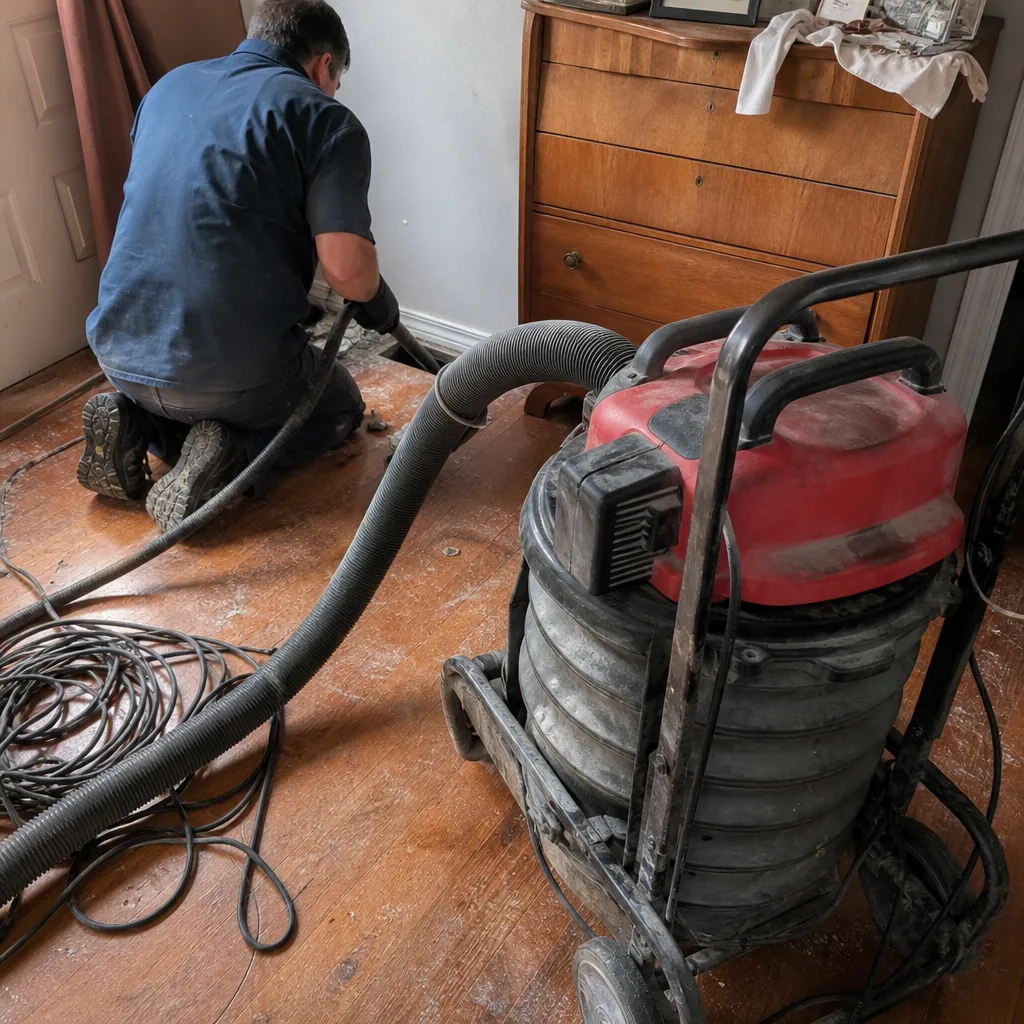 Before
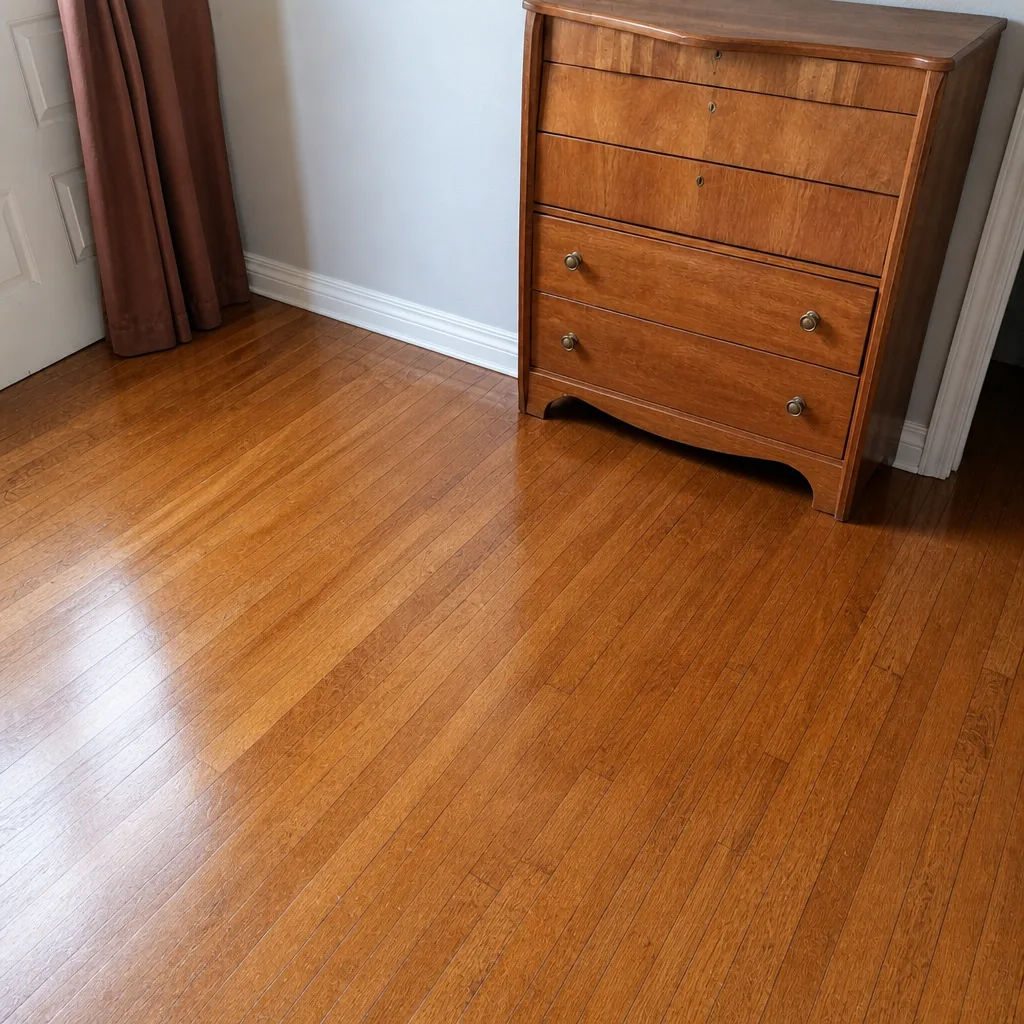 After
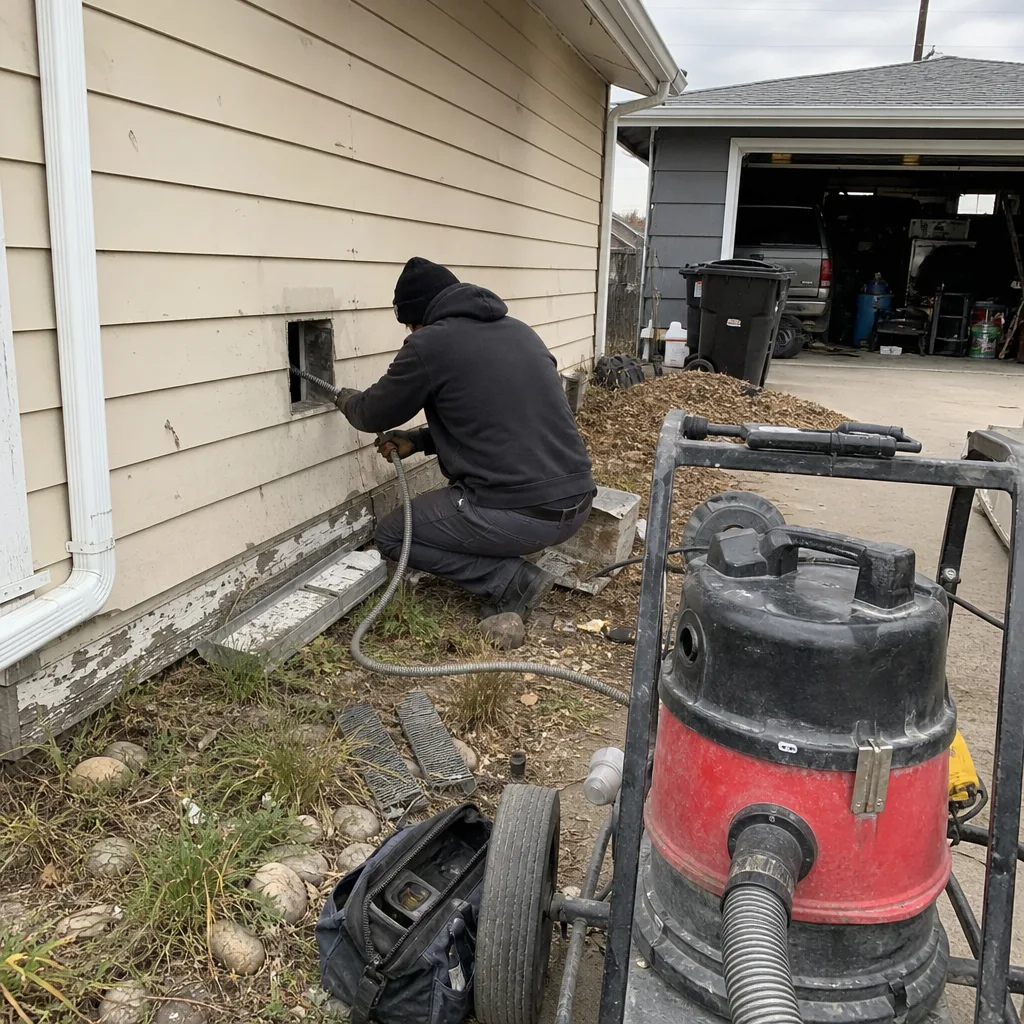 Before
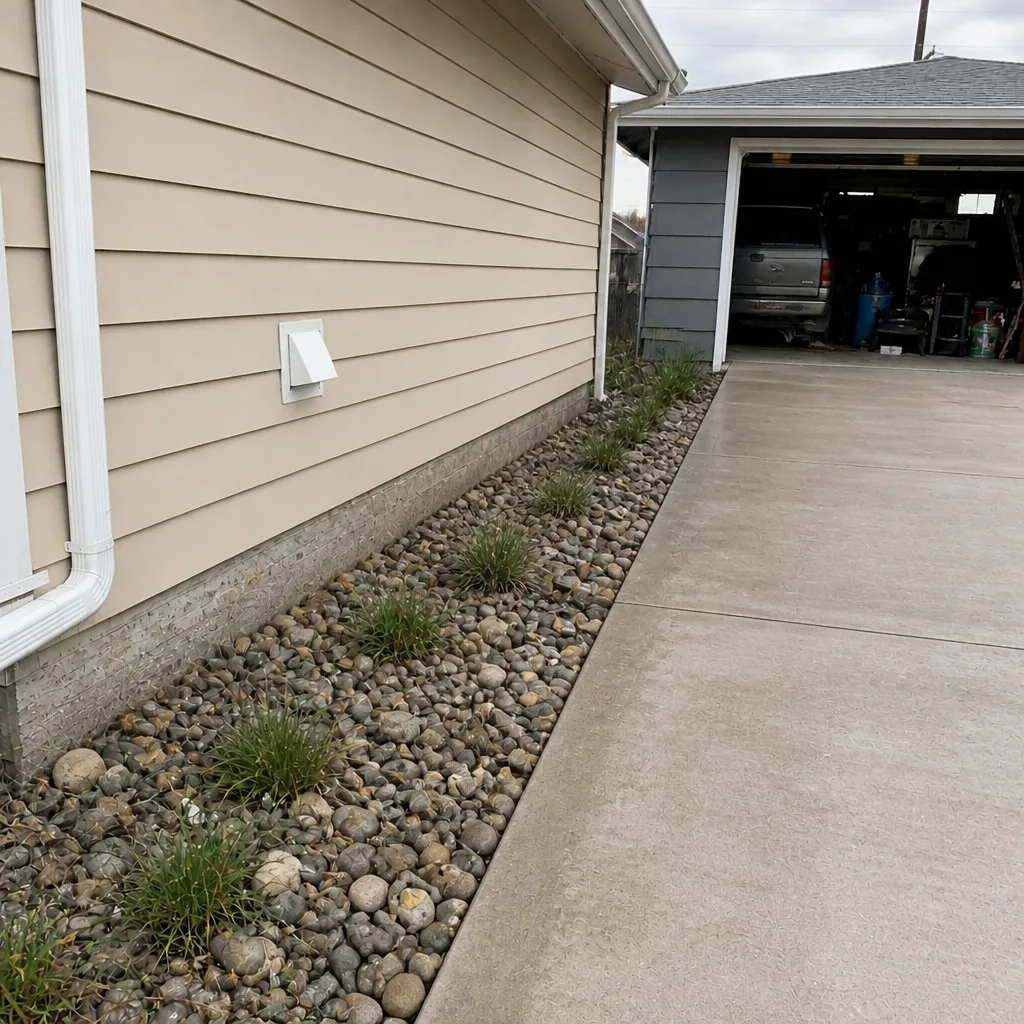 After
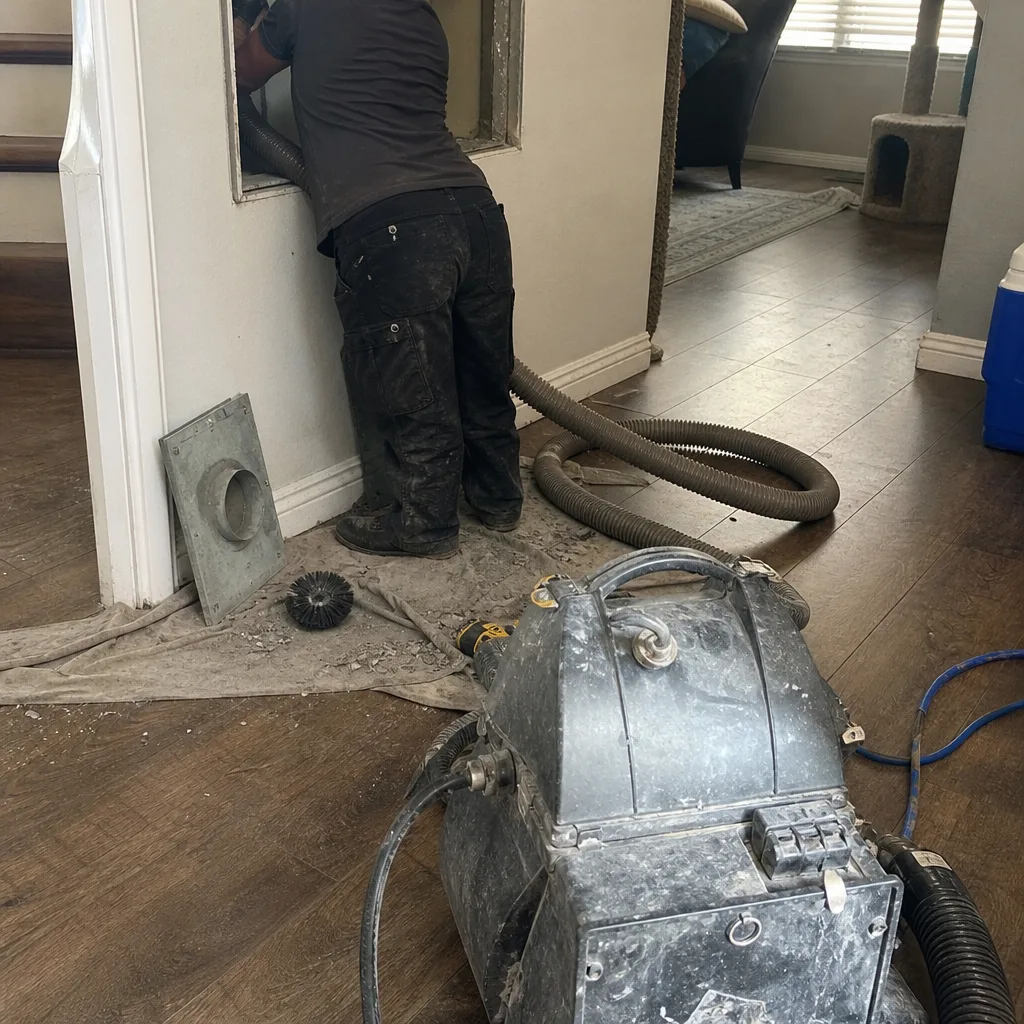 Before
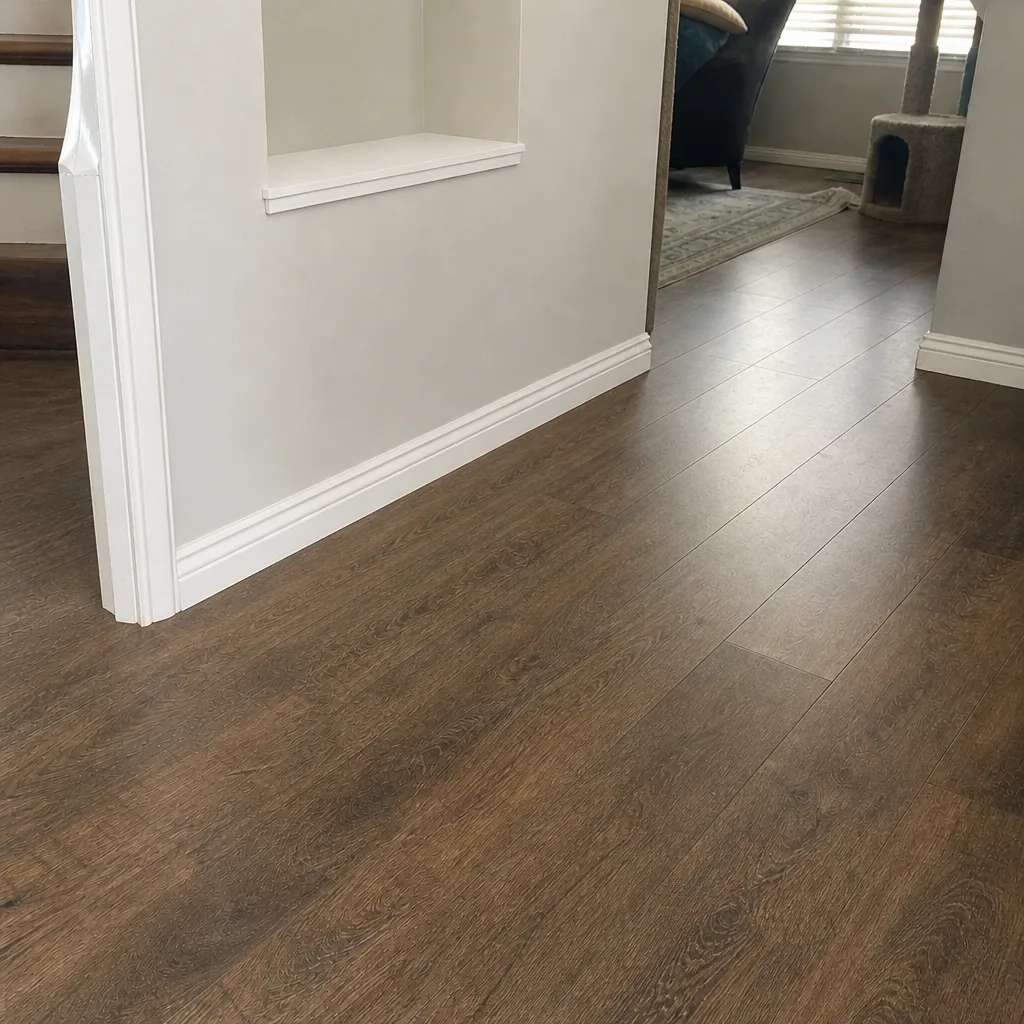 After
Frequently Asked Questions
The clearest single sign is a filter loading rate that has shortened from a previously stable pattern – a filter that used to last three months now lasting three weeks, for example. Combined with a startup puff at the supply registers or uneven dust patterns on registers on the same branch, that combination points specifically at the duct system rather than at housekeeping or general indoor air quality. A free inspection confirms it.
No. A light, even film on register faces is normal in any home and clears with routine cleaning. The signal is asymmetry – one register on a branch heavily coated while another is clean – or heavy accumulation that comes back within a couple of weeks after a wipe test. That pattern points to a system-level issue rather than cosmetic dust.
If the same room is consistently 4 to 6 degrees off in both heating and cooling season, and your HVAC technician has ruled out refrigerant, thermostat, and blower issues, it’s almost always an airflow problem in that room’s duct path. A crushed flex run, a separated boot, or a partially disconnected branch are the usual culprits. A duct inspection with camera equipment identifies which.
Front Range temperature swings expand and contract duct joints in attics and crawlspaces, which widens leaks over time. That means more dust enters the return path, more debris deposits inside the trunk, and faster filter loading. Combine that with older housing stock and panned return plenums common in mid-century construction, and the region’s homes tend to develop advanced duct leakage as they age.
Cleaning removes accumulated debris from inside the duct system. Sealing closes the gaps where the debris came from. Cleaning without sealing leaves the return path drawing from the same cavity. Sealing without cleaning leaves the accumulated debris in place. If your filter loading rate has risen sharply, both are usually part of the fix. The same applies to HVAC cleaning – the equipment’s performance depends on a clean, sealed air path.
Yes, if the renovation involved drywall sanding, insulation work, or significant sanding dust. Drywall dust travels through return paths and deposits on the interior of the duct system in a way that ordinary filters don’t fully catch. An inspection within weeks of completion is the right timing, before the debris gets into every surface of the trunk and branches.
The Bottom Line
Duct warning signs arrive in a sequence: filter loading rate first, then uneven temperatures and startup puffs, then register-level discoloration, and finally visible dust on the grille itself. Read in that order, the signals point at the duct system before visible dust ever shows up. Watch the filter interval, pull a grille every few months, note the pattern across registers rather than at any one register, and treat post-event triggers – water, rodents, renovation, new equipment – as automatic inspection calls. When you’re ready to look inside the system, a professional inspection with the right equipment confirms the picture and turns a pattern of symptoms into a specific plan. And if you ever smell soot near a return, stop and call.
Contact
If you’re seeing the patterns described in this guide, a free estimate is the simplest way to know what’s actually happening inside the system. Call (855) 550-7950 for a free estimate. We answer 24/7. Fast dispatch from 7am to 7pm, Sunday through Friday. One call covers it all – Wheat Ridge Air Duct Cleaning handles cleaning, HVAC service, dryer vent cleaning, duct repair and sealing, and air quality sanitizing under one roof, with professional-grade equipment from Rotobrush, Nikro, and Abatement Technologies. Clean ducts are only the start; a sealed, properly flowing system is the goal. Estimates are free and pricing is per job, set by the written estimate before any work begins.
Written by the team at Wheat Ridge Air Duct Cleaning.