
Last updated November 25, 2026
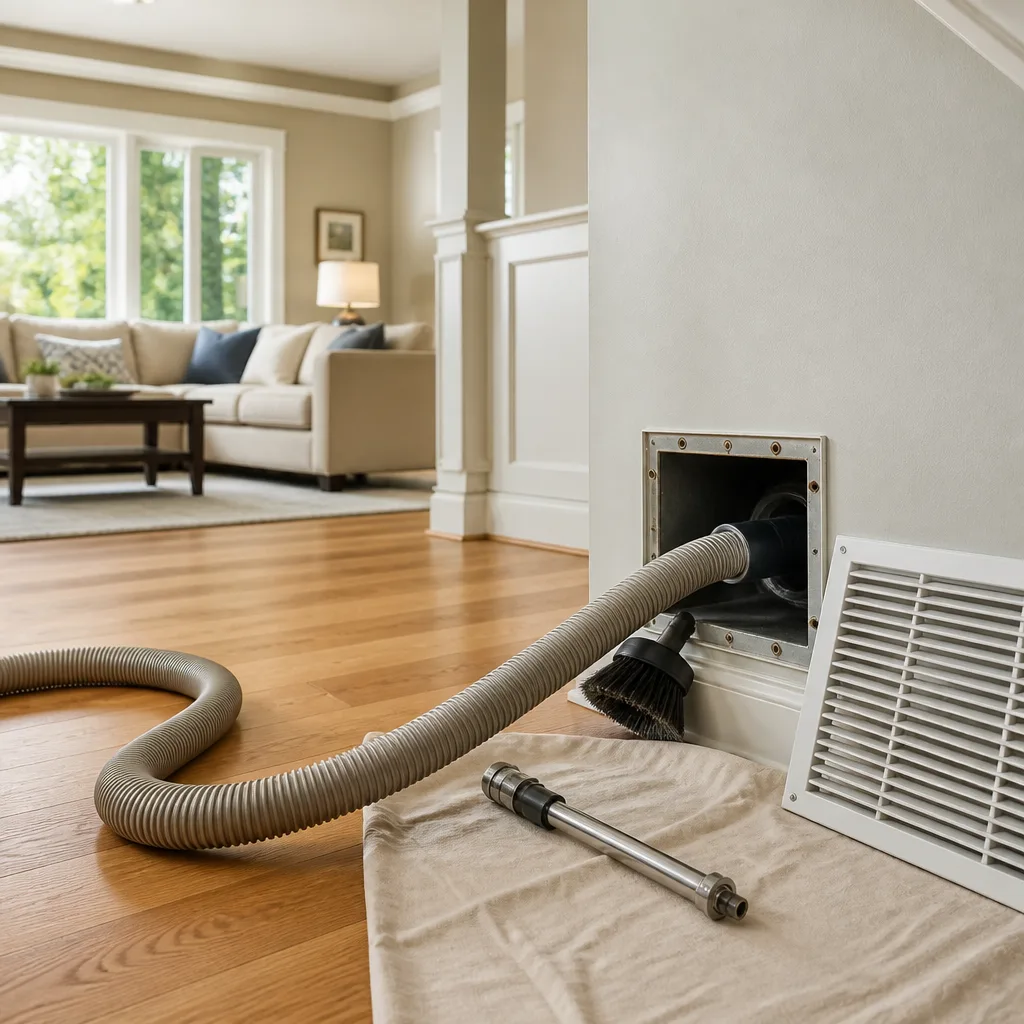 Whole-home duct cleaning
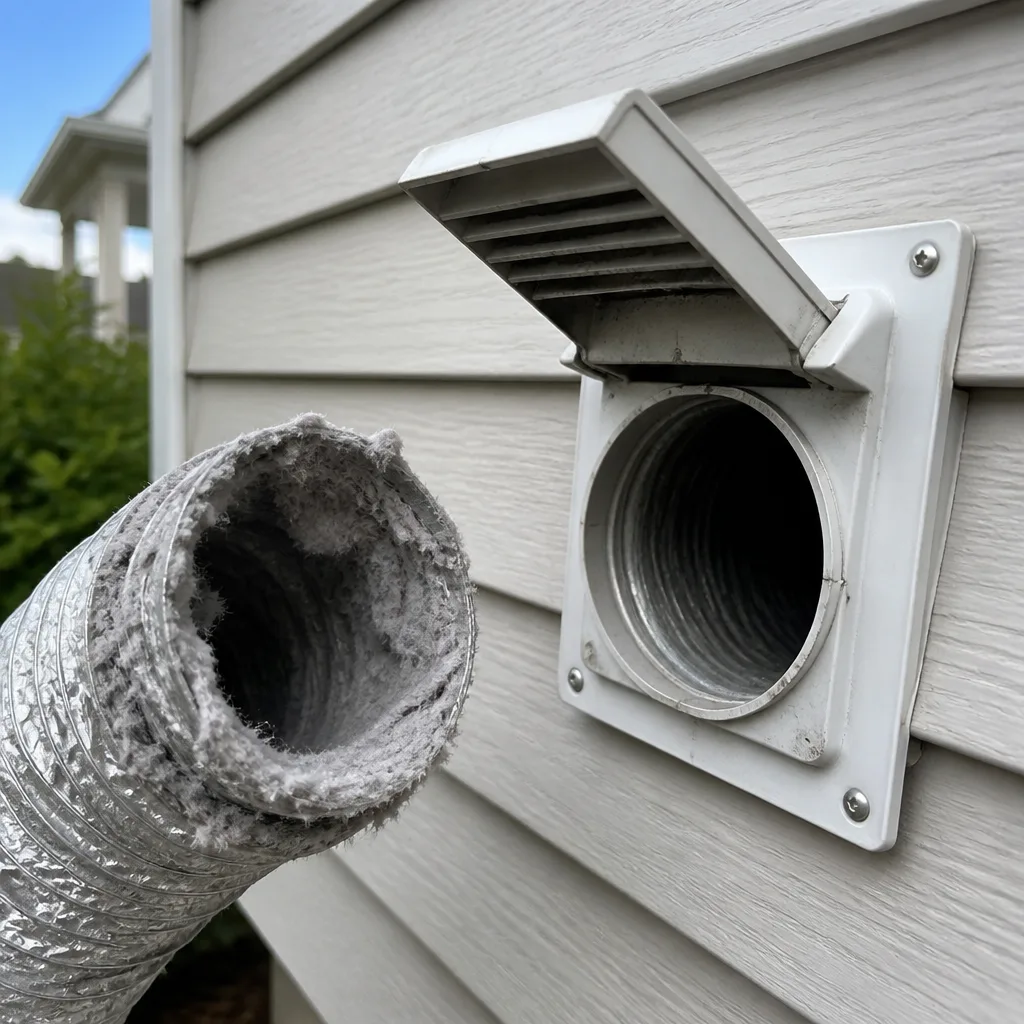 Dryer vent cleaning
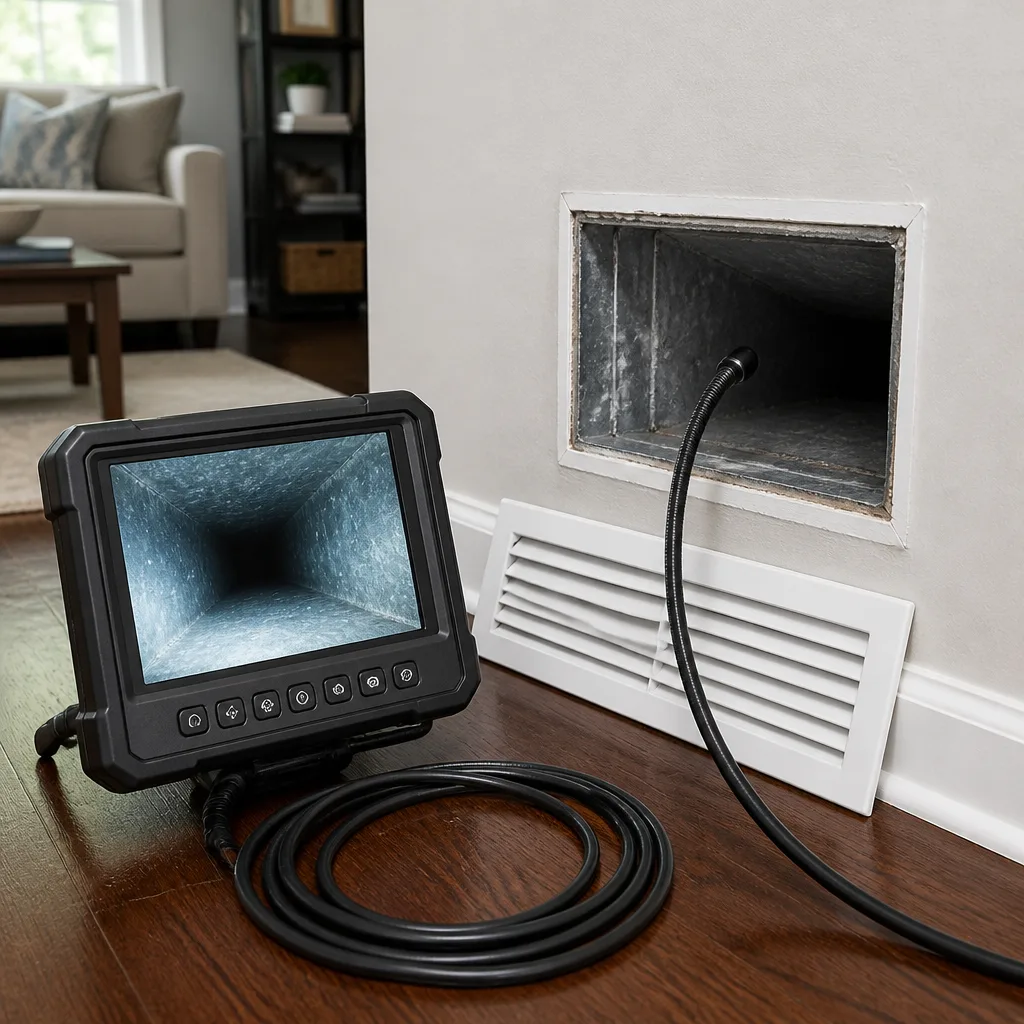 Camera inspection
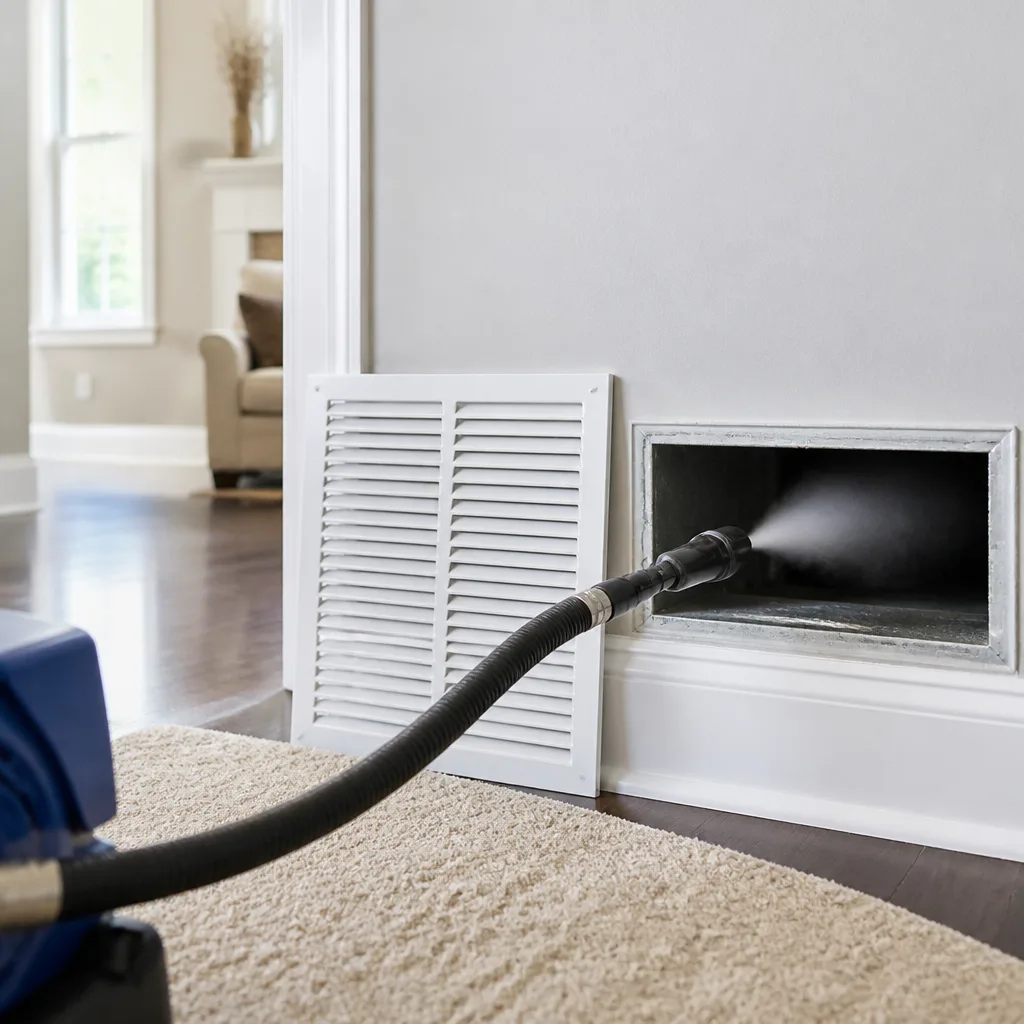 Sanitizing & deodorizing
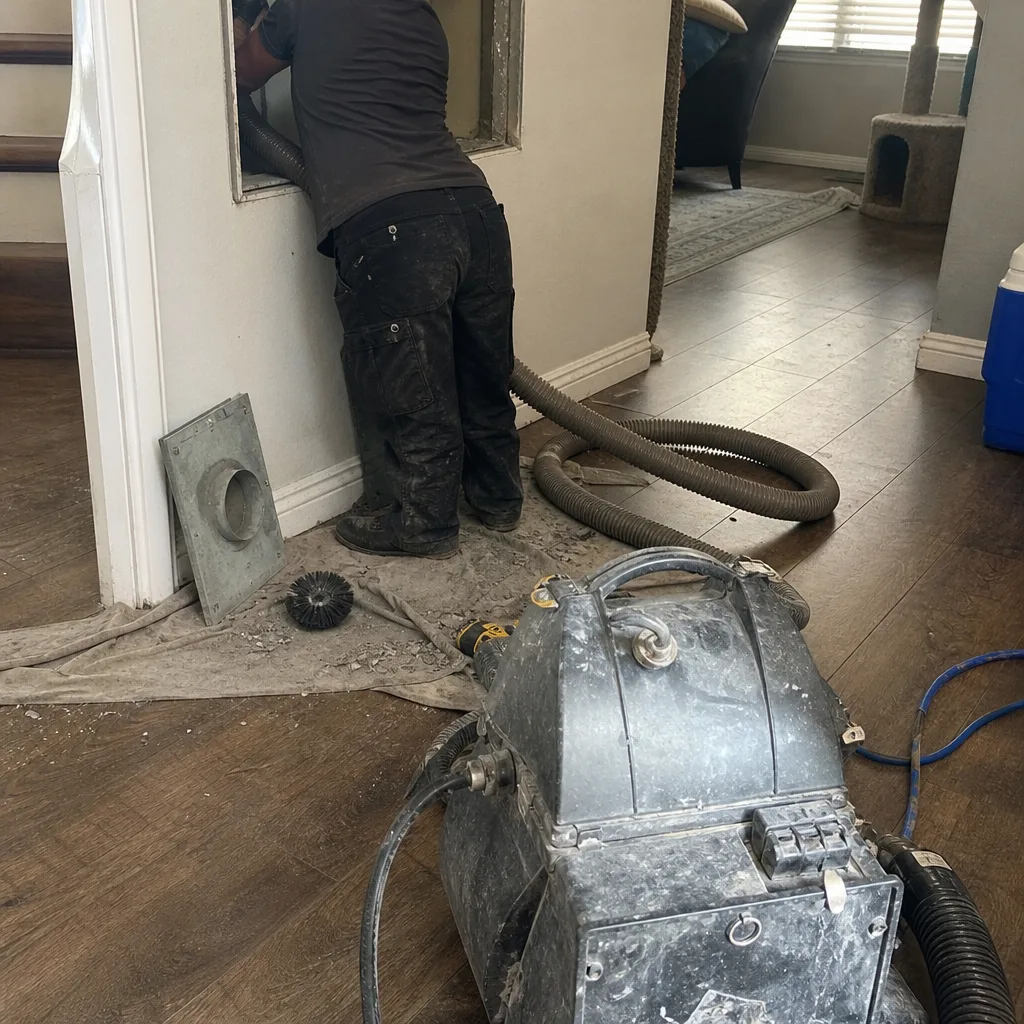
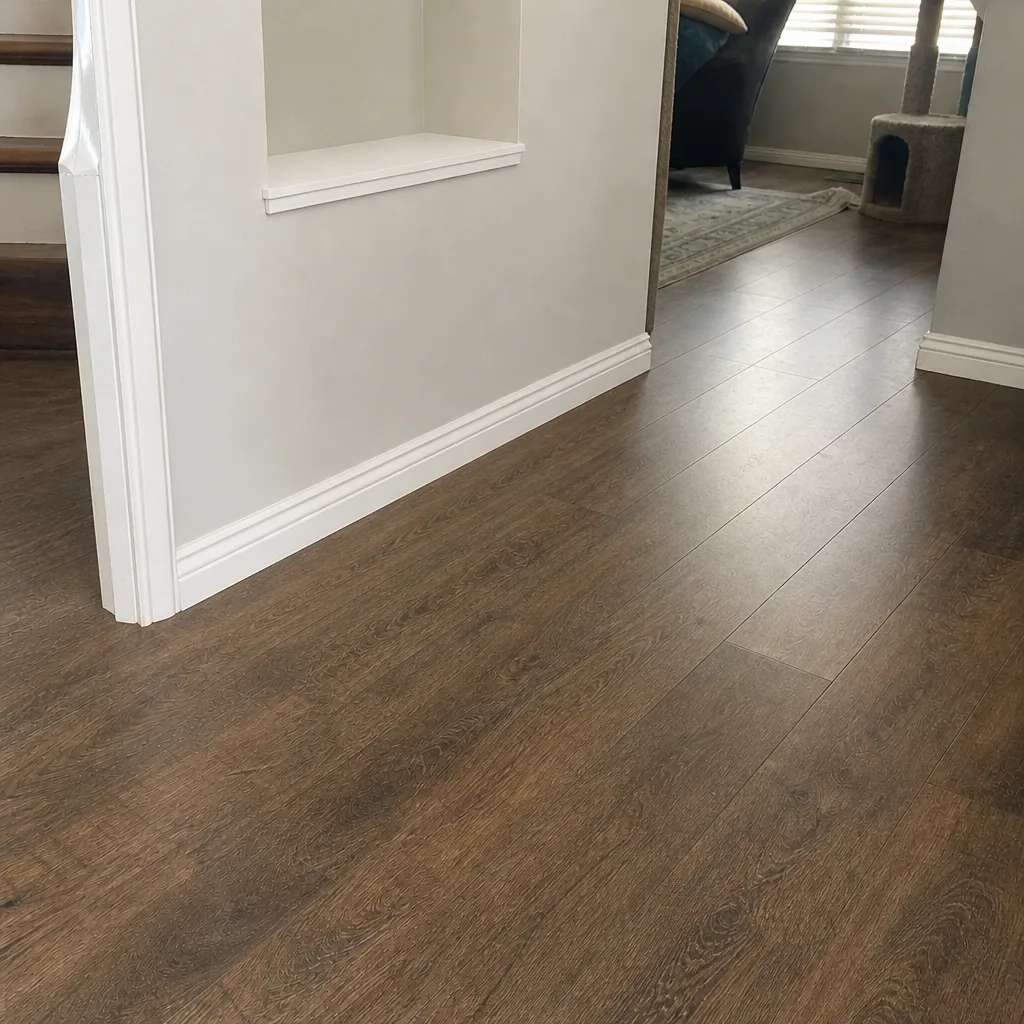
Whole-system duct and dryer vent check with before-and-after photos - you see exactly what came out of your vents
That "$99 whole-house special" is a bait ad - the real number appears once they are in your hallway, or the "clean" is a shop-vac at the register. We photograph the inside of your ducts before and after instead.
Air Duct Cleaning Permits, Codes & Inspections in Wheat Ridge, CO: What You Need to Know
Most homeowners assume duct work is invisible work, and invisible work needs no paperwork. That assumption holds up for cleaning. It falls apart the moment the job shifts from removing debris to sealing joints, reconnecting runs, or altering the system. Aerosol duct sealant sprayed through a system without a permit and without scope documentation is exactly the kind of improvement that surfaces years later, when a home inspector or a buyer’s HVAC technician asks for the paper trail and there isn’t one. This guide maps where the regulatory lines actually sit in Wheat Ridge: what Colorado’s residential code governs, what Jefferson County reviews, how the city’s own overlay fits in, and what you should keep in a file after any duct system work.
Quick Answer
Cleaning the interior of an existing duct system in Wheat Ridge generally does not require a building permit. Sealing duct joints with mastic or aerosol sealant, reconnecting or replacing duct runs, cutting new supply or return openings, or touching HVAC mechanical components typically does fall under permitted mechanical work governed by Colorado’s residential code and reviewed locally. The dividing line is alteration versus maintenance: if the work changes the system, it usually needs a permit; if it only cleans it, it usually doesn’t.
Styles & brands we work with
- Whole-home duct cleaning
- Dryer vent cleaning
- Camera inspection
- Sanitizing & deodorizing
Table of Contents
- Cleaning vs. Sealing: Where the Permit Line Sits
- What Colorado and Jefferson County Codes Actually Govern
- How Wheat Ridge’s Municipal Overlay Interacts With County and State Rules
- When Duct Sealing, Reconnection, or Modification Becomes Permitted Work
- Documentation to Keep After Any Duct System Work
- IAQ and Energy Audits: The Paper Trail They Create
- What an HVAC Inspection Actually Looks At
- How This Plays Out at Resale in Wheat Ridge
Cleaning vs. Sealing: Where the Permit Line Sits
Cleaning is maintenance. Sealing is an alteration. That single distinction answers most of the permit questions we hear from homeowners in Wheat Ridge, and it’s the distinction most people get wrong.
When a technician runs a mechanical brush and negative-pressure vacuum through your existing ductwork, nothing about the system’s configuration changes. No components are added, removed, or relocated. The ducts are the same ducts they were before, just cleaner. Under Colorado’s residential construction code, that’s routine maintenance and sits outside the permit process.
Sealing is different. Applying mastic to accessible joints, injecting aerosol sealant through the system, or wrapping and taping disconnected runs all modify the duct assembly. Some of that work is permitted mechanical work; some of it is minor repair that most jurisdictions let slide. The honest answer is that the line isn’t perfectly bright, and it depends on scope.
Here’s how we draw it in practice:
- Cleaning only – no permit, no inspection, but keep the invoice and photos.
- Sealing accessible joints with mastic – usually no permit, but document the scope in writing.
- Aerosol sealant applied through the system – ask your contractor whether they’re pulling a mechanical permit, and get the answer in writing.
- Replacing or rerouting a duct run – typically permitted mechanical work.
- Adding a new supply or return – typically permitted mechanical work.
- Touching the furnace, coil, or air handler – typically permitted mechanical work.
The reason this matters in Wheat Ridge specifically is the housing stock. A large share of the city’s ranches and split-levels from the 1950s through the 1970s have original sheet metal trunk lines with taped or mastic-sealed joints that have dried and separated over decades of dry Front Range air. Sealing those joints is often the single highest-value improvement to a tired system, and it’s also the moment when a cleaning job can quietly become a modification job without anyone writing it down.
What Colorado and Jefferson County Codes Actually Govern
Colorado adopts model building codes at the state level and then delegates enforcement to local jurisdictions. In Wheat Ridge, that means residential HVAC work is reviewed under the state-adopted residential code as administered by the city’s building department, with Jefferson County playing a supporting role in unincorporated areas and in some shared services.
The mechanical provisions that matter for duct work are narrower than people expect. They govern:
- Duct material, gauge, and support spacing for new and replacement runs.
- Clearances between ducts and combustible materials.
- Return air pathways and the prohibition on using certain cavities as return plenums.
- Connection methods at the air handler and at registers.
- Sealing requirements for ducts located in unconditioned space.
What they don’t govern is the cleanliness of the duct interior. There is no code section that says your ducts must be cleaned on a schedule, no inspection that grades duct hygiene, and no state agency that licenses duct cleaning as its own trade. That’s worth stating plainly, because a fair amount of marketing in this industry implies otherwise.
Where the energy code does enter the picture is on new construction and major renovation, where duct sealing and insulation in unconditioned space are tested and verified. If you’re renovating a Wheat Ridge home and the project pulls a building permit, the ducts may become part of the inspection scope even if duct work wasn’t your intent. That’s a common surprise in kitchen and basement remodels where a mechanical contractor is already on site.
One practical note: our technicians have up to 10 years of experience working in Front Range homes, and the single most common code-adjacent problem we find isn’t a violation at all. It’s undocumented work from a previous owner. Knowing what the code requires helps you tell the difference between a system that was done properly and one that was done quickly.
How Wheat Ridge’s Municipal Overlay Interacts With County and State Rules
Wheat Ridge runs its own building department, so permits are pulled through the city, not the county, for properties inside city limits. The city adopts the state’s model codes with local amendments, and it sets its own process for mechanical permits, inspections, and final sign-off.
For duct work, the practical sequence looks like this:
- Confirm jurisdiction. Check whether the address is inside Wheat Ridge city limits or in unincorporated Jefferson County. The two have different permit portals and different inspection scheduling.
- Describe the scope accurately. “Duct cleaning” and “duct sealing” are not the same permit category. If the work includes sealing, reconnection, or modification, describe it that way on the application.
- Pull the mechanical permit before work starts. Most jurisdictions won’t approve a permit application submitted after the work is complete, and retroactive permits create friction at resale.
- Schedule the rough-in inspection if required. For duct modifications, this typically happens before the system is closed up or before drywall goes back.
- Get the final inspection and keep the signed card or digital record. This is the document a buyer’s inspector will ask for.
The city’s overlay also touches energy requirements on permitted renovations, which can pull duct sealing into the scope even when it wasn’t the owner’s original plan. If you’re remodeling and the ducts run through a garage ceiling or crawlspace, expect the inspector to look at how those runs are sealed and insulated, not just whether they’re connected.
Our role here is straightforward: we do the cleaning, sealing, repair, and air quality work, and we tell you clearly which parts of a proposed job cross into permitted territory so you can make the call before anything is sprayed or disconnected. You can read more about how we approach the cleaning side on our air duct cleaning page.
When Duct Sealing, Reconnection, or Modification Becomes Permitted Work
The triggering event is almost always a change to the system’s configuration or capacity. If the duct system is doing what it was designed to do and you’re only removing debris, no permit. If the system is being asked to do something new, or if a component is being replaced rather than cleaned, the permit question comes up.
These situations typically require a mechanical permit in Wheat Ridge:
- Adding or removing a supply or return register. This changes the system’s air balance and the load on the equipment.
- Rerouting a duct run to accommodate a remodel, a new beam, or a finished basement.
- Replacing a section of trunk line rather than repairing a joint.
- Converting a cavity or panned joist into a return plenum, or sealing one off.
- Replacing the air handler, coil, or furnace that the ducts connect to.
- Applying aerosol sealant where the contractor’s scope includes sealing the entire system, not just accessible joints.
These typically do not:
- Mechanical cleaning of the duct interior with brushes and negative pressure.
- Sanitizing or fogging the system with an EPA-registered product.
- Replacing a register grille with a same-size grille.
- Cleaning the blower compartment, coil, or drain pan as part of routine HVAC maintenance.
- dryer vent cleaning, which is a separate system with its own maintenance needs and no permit requirement.
The place where homeowners get caught is the middle: a contractor proposes “duct sealing” as an add-on to a cleaning job, applies aerosol sealant, and never pulls a permit because the invoice says “cleaning.” It looks like maintenance on paper and functions like a modification in the system. If the sealing was part of an energy improvement claim, an audit report, or a utility documentation trail, that mismatch becomes a real problem at resale.
Ask the question directly before any sealing work begins: does this scope require a mechanical permit, and will you pull it? A contractor who can’t answer that clearly is telling you something.
Documentation to Keep After Any Duct System Work
Paper is the difference between a system that’s provably maintained and one that’s merely assumed to be. In Colorado’s dry climate, where dust accumulates fast and duct joints dry and separate over time, a documented maintenance history also gives the next technician something to work from.
Keep these records after any duct system work:
- The written scope of work, itemized by service: cleaning, sealing, repair, sanitizing, HVAC service. Not a one-line invoice.
- Before-and-after photos of your own ducts, taken inside the system during the job. Any reputable contractor should provide these without being asked.
- The mechanical permit number and final inspection record, if a permit was pulled. Store it with your home improvement file, not in a drawer with receipts.
- Product documentation for any sealant, sanitizer, or filtration product used, including the manufacturer and product name.
- The equipment used if it’s relevant to the scope. Professional-grade mechanical cleaning systems and HEPA-level filtration equipment are worth noting in your file because they tell the next contractor what standard the system was held to.
- Any energy audit or IAQ assessment report the work was based on.
For insurance purposes, the itemized scope and the photos matter most. If a water event, a fire, or a smoke claim ever runs through your HVAC system, the adjuster will want to know the condition of the ducts before the event. Photos from a prior cleaning establish that baseline.
For resale, the permit record and the before-and-after photos carry the weight. Buyers in Wheat Ridge are increasingly bringing their own HVAC technician to the inspection, and a technician who finds undocumented sealing or a modified trunk line will flag it. Having the paperwork ready turns that conversation into a short one.
IAQ and Energy Audits: The Paper Trail They Create
An audit is a diagnostic, not a construction project. It doesn’t require a permit. What it does is create a written record of findings, and that record can pull later work into the permit conversation in ways homeowners don’t anticipate.
Here’s the sequence that causes trouble:
- An energy audit or indoor air quality assessment documents duct leakage, disconnected runs, or contamination.
- The report recommends sealing, repair, or system modification to address the findings.
- The homeowner hires a contractor to do the recommended work.
- The work is performed without a permit, and the invoice describes it as cleaning.
- At resale, the audit report and the invoice sit side by side in the file, and the buyer’s inspector notices the scope in the report doesn’t match the scope on the invoice.
That mismatch is the liability. Nothing illegal happened, but the paper trail now suggests work was done without the documentation the recommended scope would have required. It’s an easy thing to avoid: if an audit report recommends sealing or modification, treat that recommendation as the scope of work for permit purposes, not as an upsell conversation.
IAQ assessments also raise a second issue. A report that identifies contamination in the duct system, whether from mold, renovation dust, or pest activity, becomes part of the home’s disclosed condition if you sell. Getting the remediation documented properly on the front end is cheaper than explaining an undocumented report on the back end.
If you’re considering an audit, ask the auditor whether their report will describe the ducts’ current condition and what work they’ll recommend. That answer tells you what paperwork you’ll be holding in six months. We’re happy to walk through what a cleaning and sealing scope looks like in that context; our HVAC cleaning page covers the equipment side of that conversation.
What an HVAC Inspection Actually Looks At
A mechanical inspection in Wheat Ridge is not a duct cleanliness inspection. It’s a code compliance inspection, and it looks at whether the system as installed meets the requirements of the adopted code.
For a permitted duct modification, the inspector typically reviews:
- Material and gauge of new or replaced duct sections.
- Support and spacing along the run.
- Clearances to combustibles, especially near the furnace and water heater.
- Connection integrity at the air handler, at trunk-to-branch junctions, and at registers.
- Sealing in unconditioned space, which is where the energy code provisions come in.
- Return air pathway compliance, including whether a cavity is being used as a return and whether that’s permitted in that location.
What the inspector will not do is grade the cleanliness of the ducts or measure airflow at each register. That’s outside the code’s scope. If you’re buying a home and you want an assessment of the system’s cleanliness and airflow performance, that’s a separate diagnostic, and it’s the kind of thing we do with professional-grade equipment rather than a shop vacuum and a flashlight.
The one inspection-adjacent thing worth knowing: a home inspector who spots aerosol sealant residue, fresh mastic, or a modified trunk line will often recommend a specialist evaluation. If the paperwork exists, that recommendation goes nowhere. If it doesn’t, it becomes a negotiation item.
How This Plays Out at Resale in Wheat Ridge
Wheat Ridge’s housing stock sits in a narrow window of age and construction style where duct work has often been touched by at least two previous owners. Original 1950s and 1960s sheet metal, updated in the 1980s, sealed again during a 2000s remodel, and cleaned by whoever the last owner hired. Each of those touchpoints either left a paper trail or didn’t.
When you sell, three documents do most of the work:
- The permit history from the city, showing mechanical work that was pulled and inspected.
- The maintenance file, showing cleaning and minor repair with dates and photos.
- The equipment records for the furnace, coil, and any air quality products installed.
A buyer’s HVAC technician will look at the system itself, not just the file, and a well-maintained system with documented cleaning reads very differently from one with an undocumented aerosol sealant job and separated joints. In our experience, the homes that sell smoothly are the ones where the maintenance file is boring: consistent cleaning, documented repairs, and no mystery work.
If you’re preparing to list and you’re not sure what the history looks like, a cleaning and inspection with before-and-after photos gives you a defensible starting point. That’s the practical version of getting ahead of the inspection.
For property managers handling multiple Wheat Ridge units, the argument is even stronger. A per-unit maintenance file that includes cleaning records, photos, and any permit documentation is the fastest way to close out a tenant turnover or a resale diligence request.
Common Mistakes to Avoid
- Assuming all duct work is permit-free. Cleaning is. Sealing, reconnection, and modification usually aren’t, and the distinction is the whole point.
- Accepting a one-line invoice. “Duct cleaning – $X” tells a future inspector nothing about whether the job included sealing, and if a sealant was applied, that omission becomes a problem. Ask for an itemized scope.
- Letting an audit report recommend sealing and then hiring a cleaner to “clean.” The report is the scope for permit purposes. Match the invoice to the recommendation or explain in writing why the scope changed.
- Skipping the before-and-after photos. Photos of your own ducts are the cheapest insurance you can carry, and they cost nothing to ask for.
- Confusing a cleanliness inspection with a code inspection. They’re different things with different purposes. Neither one substitutes for the other.
- Not knowing the jurisdiction. Wheat Ridge city limits and unincorporated Jefferson County have different permit processes. Pulling the permit from the wrong office wastes weeks.
- Ignoring dryer vent cleaning because the ducts were just done. They’re separate systems with separate risks. A dryer vent packed with lint is a leading cause of residential fires, and no duct cleaning scope covers it unless you ask.
See the difference
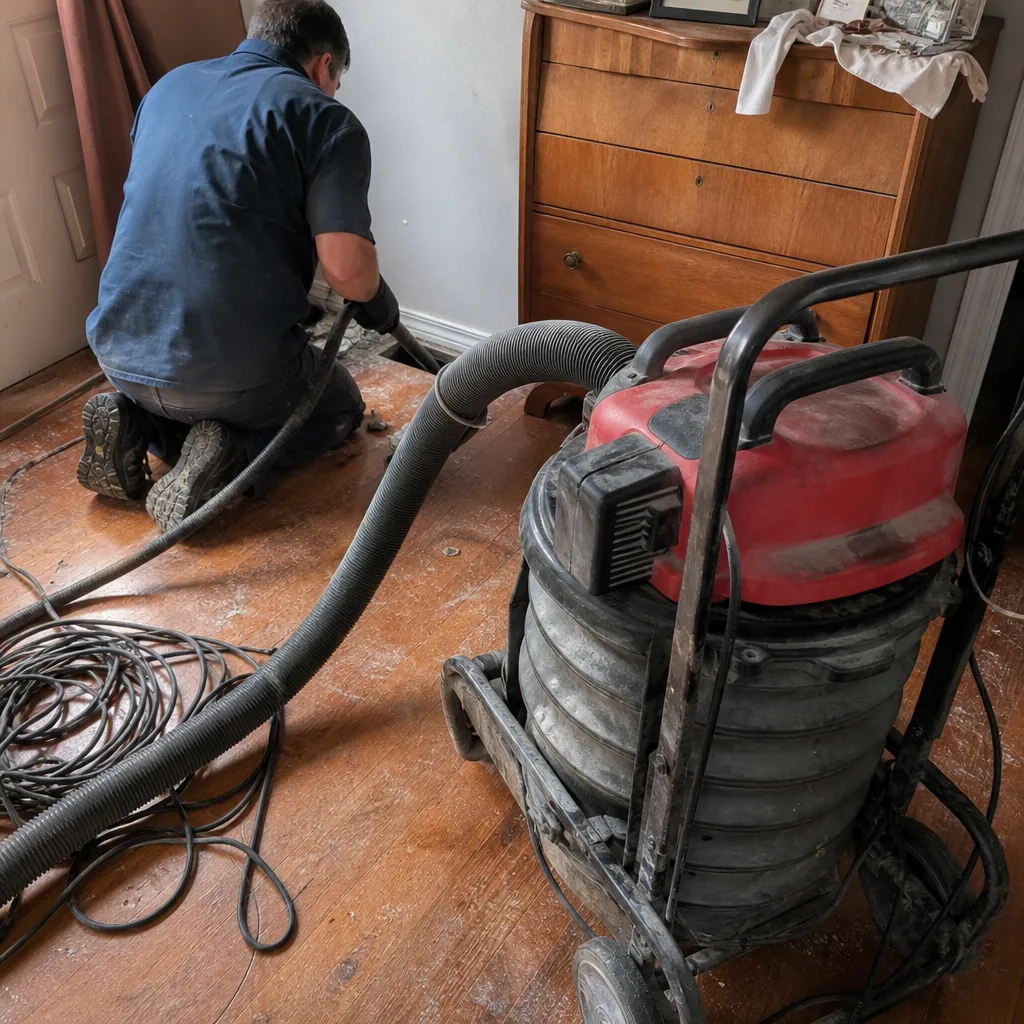 Before
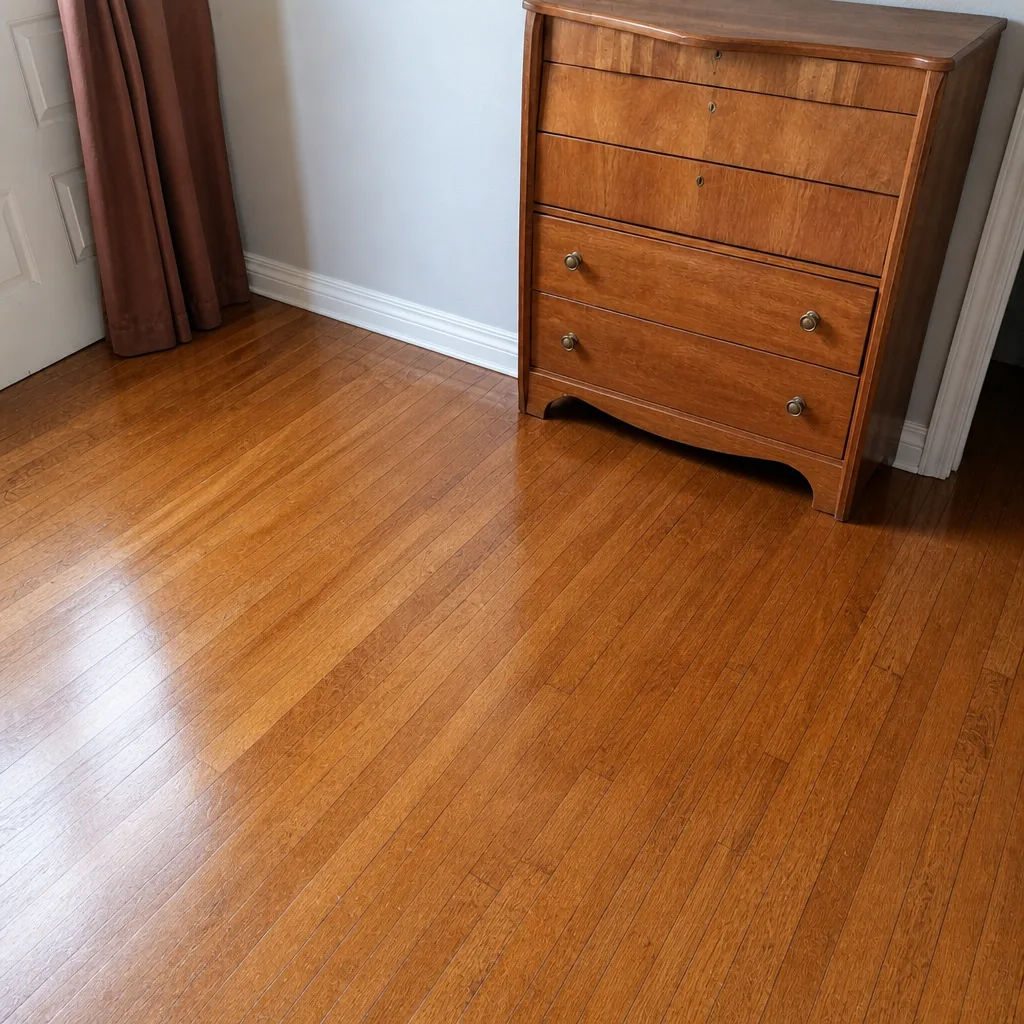 After
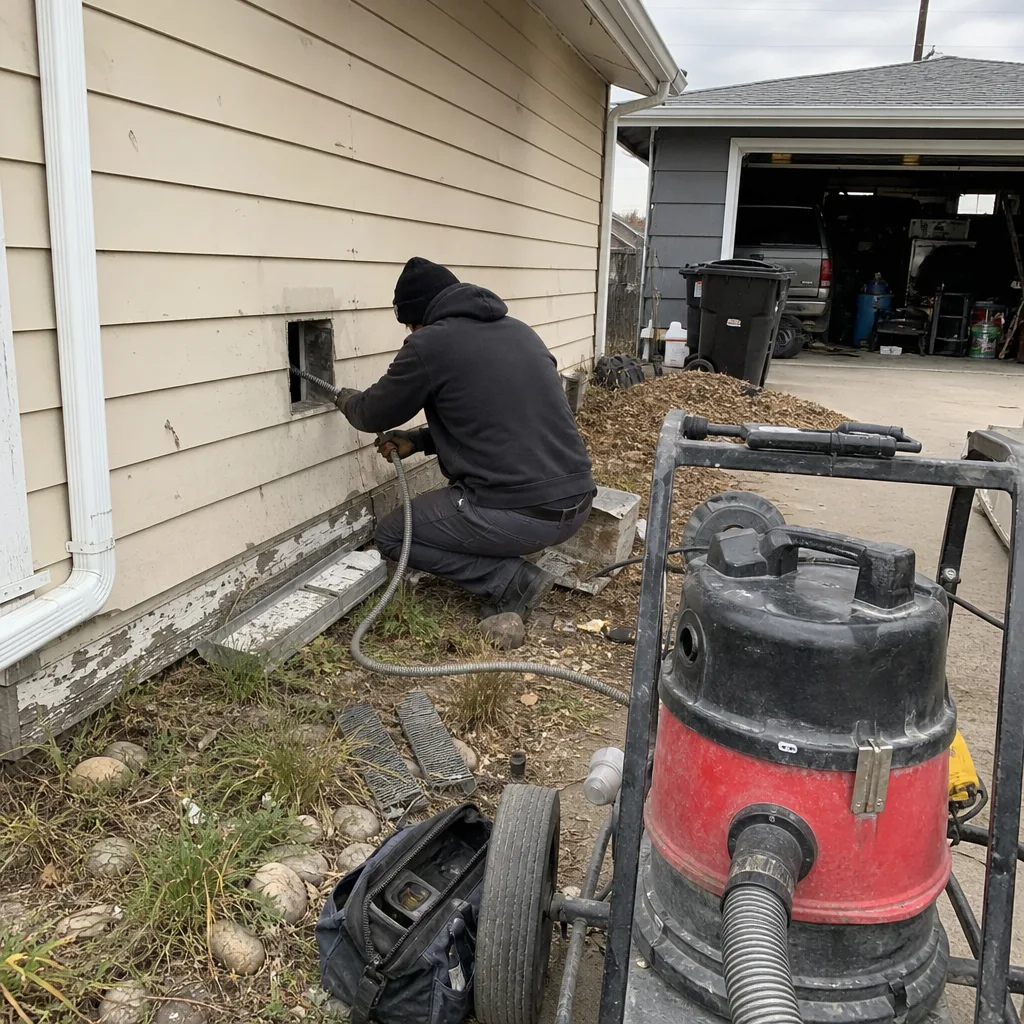 Before
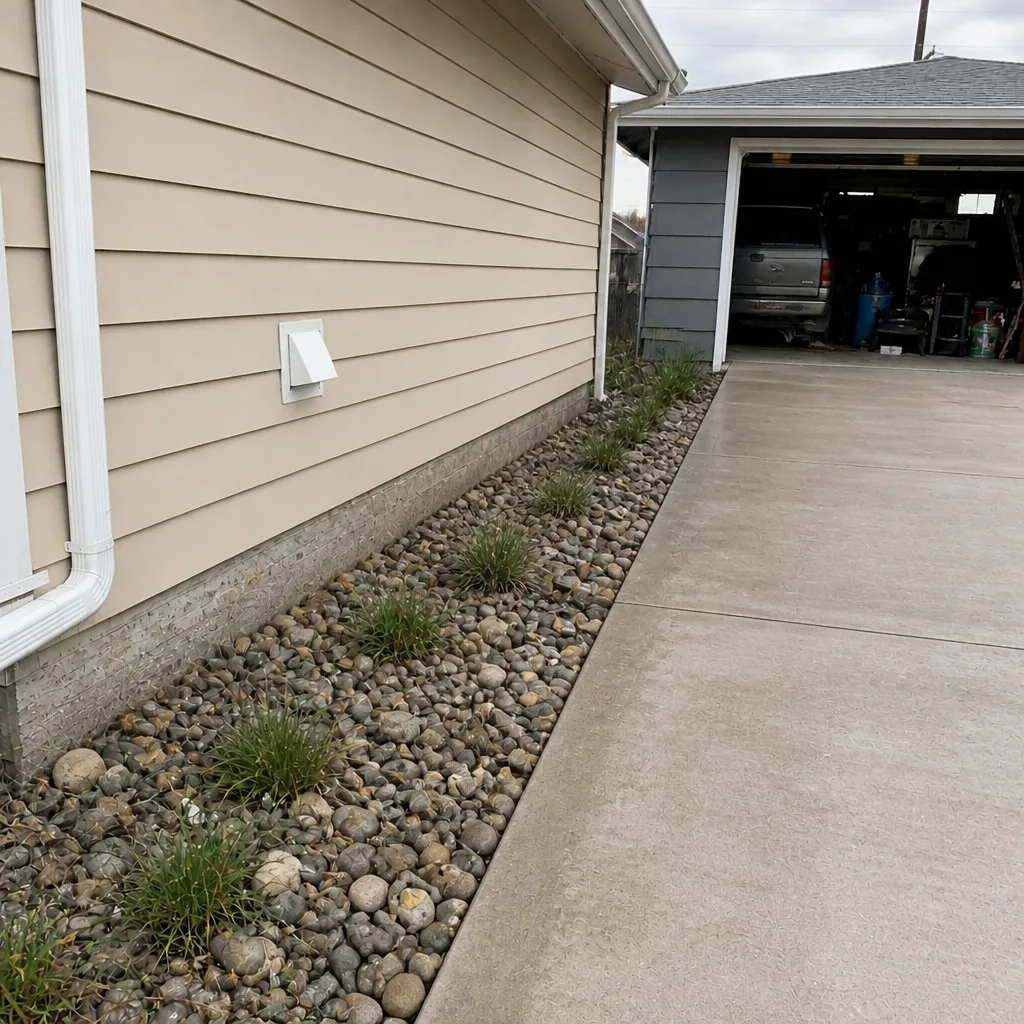 After
 Before
 After
When to Call a Professional
Call a professional when the work crosses from cleaning into anything that changes the system, when you’re preparing to sell and the maintenance file has gaps, or when an audit report recommends sealing or repair you can’t document. Call when you’re renovating and the ducts run through space that’s about to be closed up. Call when you’re a property manager closing out a turnover and you need a documented condition baseline. And call when the system is visibly dusty at the registers, when airflow has dropped, or when you’ve just finished a renovation and want the construction dust pulled out before it settles into the coil. Wheat Ridge Air Duct Cleaning offers free estimates in Wheat Ridge – call (855) 550-7950. We answer 24/7. Fast dispatch from 7am to 7pm, Sunday through Friday.
Frequently Asked Questions
No. Cleaning the interior of an existing duct system is routine maintenance in Wheat Ridge and does not require a building permit, a mechanical permit, or an inspection. What typically does require a permit is sealing, reconnecting, rerouting, or adding duct components, or any work on the furnace, coil, or air handler the ducts connect to. If a contractor proposes “cleaning plus sealing,” ask whether the sealing portion requires a mechanical permit and get the answer in writing before work starts.
It depends on scope. Sealing accessible joints with mastic is usually treated as minor repair and doesn’t require a permit. Applying aerosol sealant through the entire system, sealing a panned joist return, or sealing in a way that changes the system’s air balance typically does fall under permitted mechanical work. The practical rule: if the work changes how the system performs or what components exist, ask about a permit. The written estimate should always be the final price on any work, and the permit question should never be an afterthought on the invoice.
Permitted mechanical work in Wheat Ridge is inspected by the city’s building department, with Jefferson County handling unincorporated areas. The inspector reviews code compliance: duct material and gauge, support and spacing, clearances to combustibles, connection integrity, sealing in unconditioned space, and return air pathway compliance. The inspector does not grade duct cleanliness or measure airflow at each register. If you’re preparing to sell, call (855) 550-7950 and we’ll help you get documentation in order before an inspection.
Keep the itemized written scope, before-and-after photos of your own ducts, the mechanical permit number and final inspection record if one was pulled, product documentation for any sealant or sanitizer used, and any audit report or IAQ assessment the work was based on. Store them in your home improvement file, not loose with receipts. The itemized scope and the photos matter most for insurance, and the permit record and photos carry the weight at resale. Call (855) 550-7950 to ask what documentation comes with a cleaning and sealing scope.
Cheap quotes usually exclude the equipment and the documentation. Big-box vacuums and shop tools don’t move the volume of debris a professional-grade mechanical cleaning system does, and the missing before-and-after photos and itemized scope are the tell. The bait-and-switch pattern to watch for is a low teaser price that becomes a much larger invoice once the technician is on site, often with per-vent pricing added line by line. We quote one flat price per system, agreed before work starts, with photos of your own ducts. Call (855) 550-7950 for an exact quote – estimates are free.
Not directly, but indirectly yes, and that’s the part people miss. An audit report recommends a scope, and if the recommended scope includes sealing or modification, the permit question applies to that work regardless of the fact that it came from a report. The mismatch between an audit’s recommended scope and a contractor’s “cleaning” invoice is what creates liability at resale. Read the report’s recommendations as the work order, not as a suggestion. If you’re not sure what your report requires, call (855) 550-7950 and we’ll walk through what a documented cleaning and sealing scope looks like.
The Bottom Line
Cleaning doesn’t need a permit in Wheat Ridge. Sealing, reconnection, and modification usually do. That’s the line, and knowing it is most of the work. The rest is documentation: an itemized scope, before-and-after photos, a permit record if one was pulled, and product information for anything applied to your system. Those four things turn a routine cleaning into a defensible maintenance history and keep an undocumented aerosol sealant job from becoming a problem when a buyer’s inspector pulls the report. If you’re not sure which side of the line your project sits on, ask before the work starts. You can always reach our Wheat Ridge Air Duct Cleaning team with that question.
Contact
Whether you’re planning a cleaning, preparing to sell, or trying to sort out what a permit really covers, we can help you map the scope before anything starts. Call (855) 550-7950 for a free estimate. We answer 24/7. Fast dispatch from 7am to 7pm, Sunday through Friday.
Written by the team at Wheat Ridge Air Duct Cleaning.